Software. Custom systems built to replace the tools you've outgrown.
We design and build the internal systems, customer platforms and AI powered products that businesses run on once spreadsheets and off the shelf tools stop scaling.
What's in it. Each part can be built on its own.
Most clients start with one of these where the hours are going, then add the next once it has proved itself.
 01IT ConsultingTechnical strategy and architecture before a line of code is written.
 02Product DevelopmentEnd to end build of a market ready software product.
 03MVP DevelopmentA working first version scoped to prove the idea fast.
 04ERP SoftwareSystems that unify operations, inventory and finance.
 05CRM DevelopmentSales and client tools built around how your team actually sells.
 06Dedicated TeamAn embedded engineering team that scales with the roadmap.
Where to start. Pick by the problem you have.

- If you're unsure whether to build, buy or replace what you have, start withIT Consulting
- If you need to test an idea with real users before committing the full budget, start withMVP Development
- If stock, orders and finance live in separate spreadsheets and tools, start withERP Software
- If your sales process has never fitted your CRM, start withCRM Development
- If you have a backlog and need engineers working inside your tools, start withDedicated Team
The back office, running. Rules, people and records in one place.
Who can approve what, which automations run, every change signed and kept. Held in code inside the system, so nobody has to remember the process.
Where it sits. Every system we build has the same five layers.
Software covers the layers lit in red. The rest are there in every build, so each part you add later lands on the same foundation.
- ScreensOffice, field app, customer portal
- AI agentsRead, chase, reconcile, draft
- Workflow & rulesJobs, approvals, pricing, scheduling
- Data & integrationsOne database, plus Xero, Stripe, couriers
- Your cloud accountIn your name, backed up, yours to keep
Layers this covers: Screens, AI agents, Workflow & rules, Data & integrations, Your cloud account.
Five years of renting, against owning. The gap is the point.
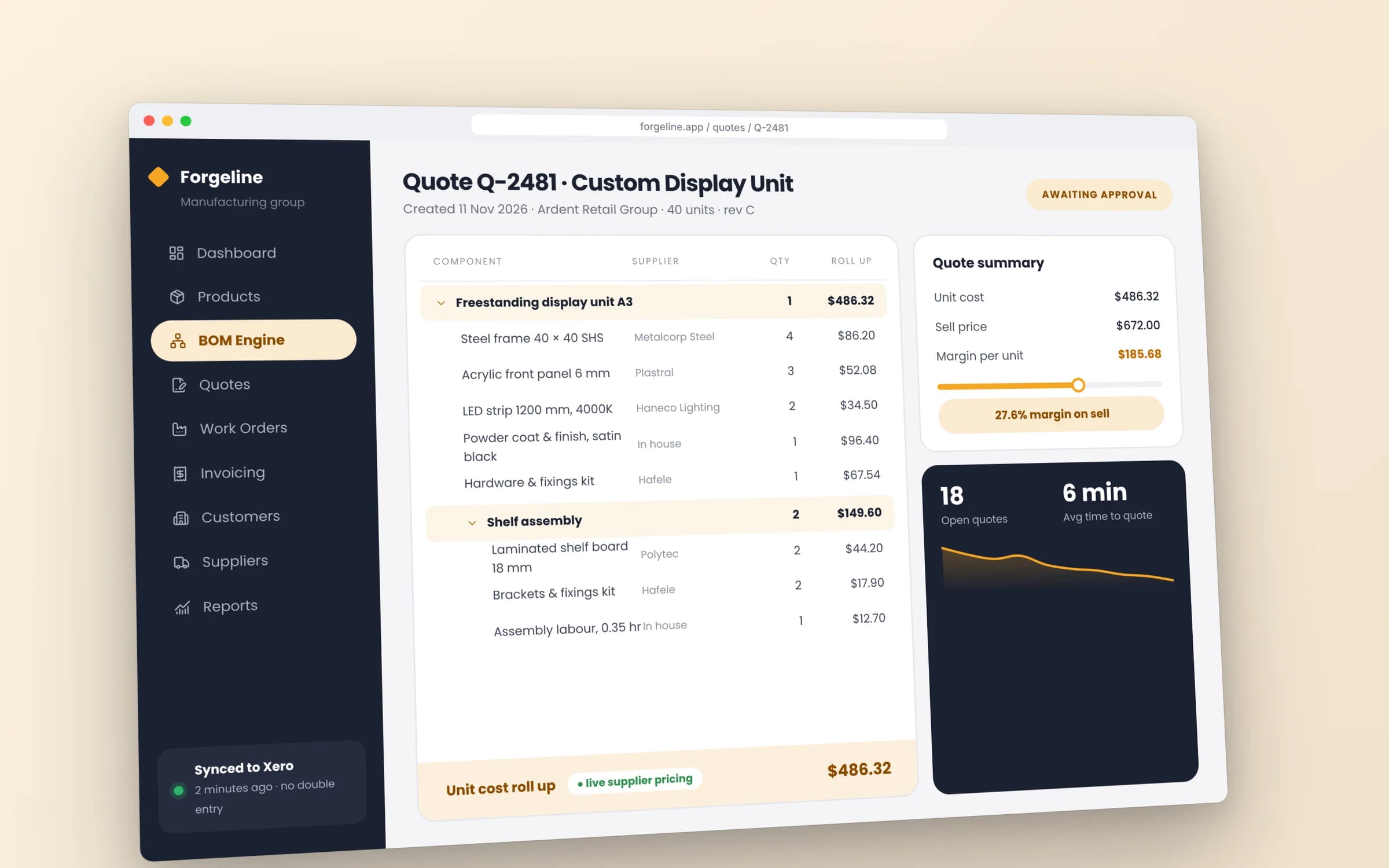
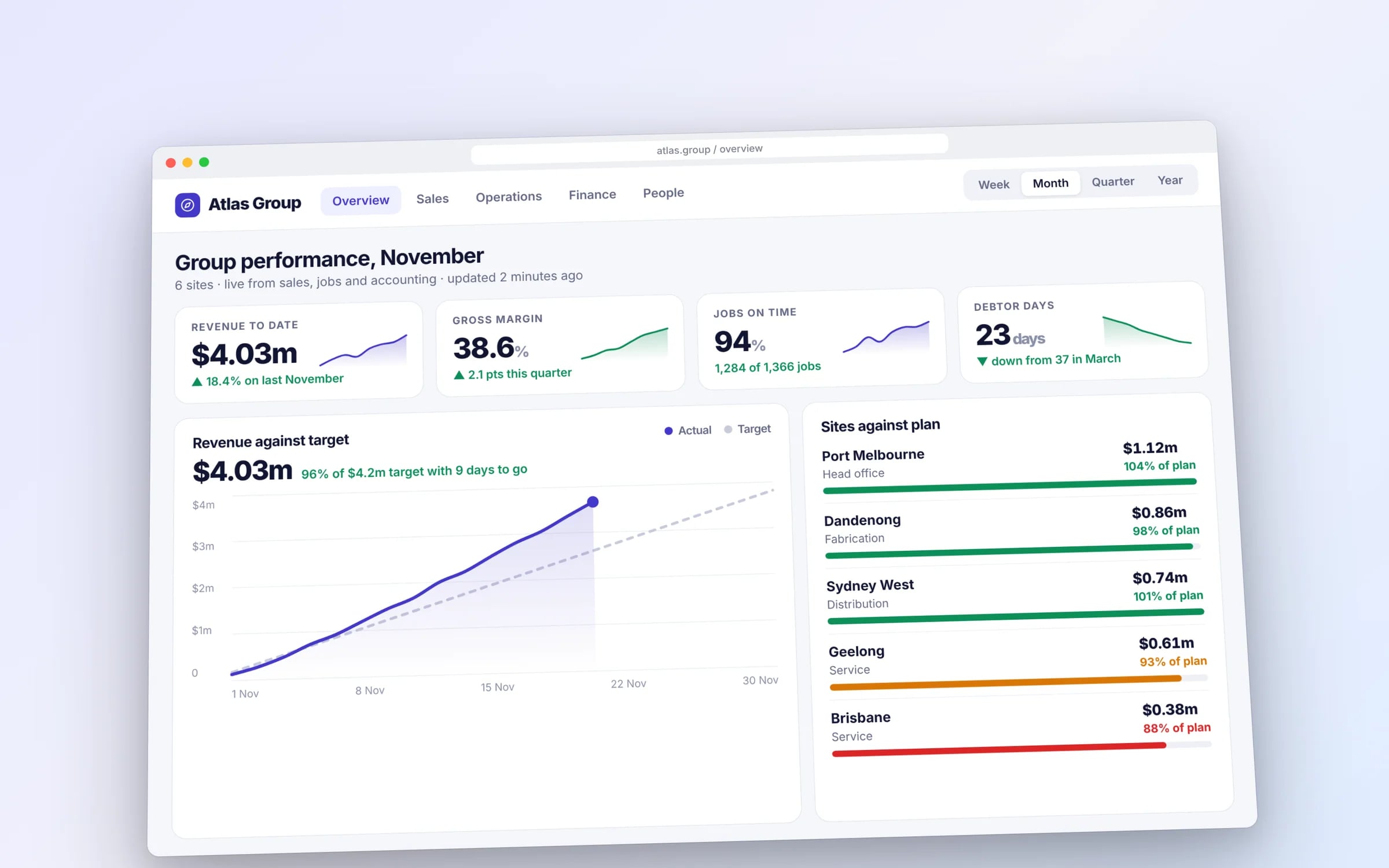
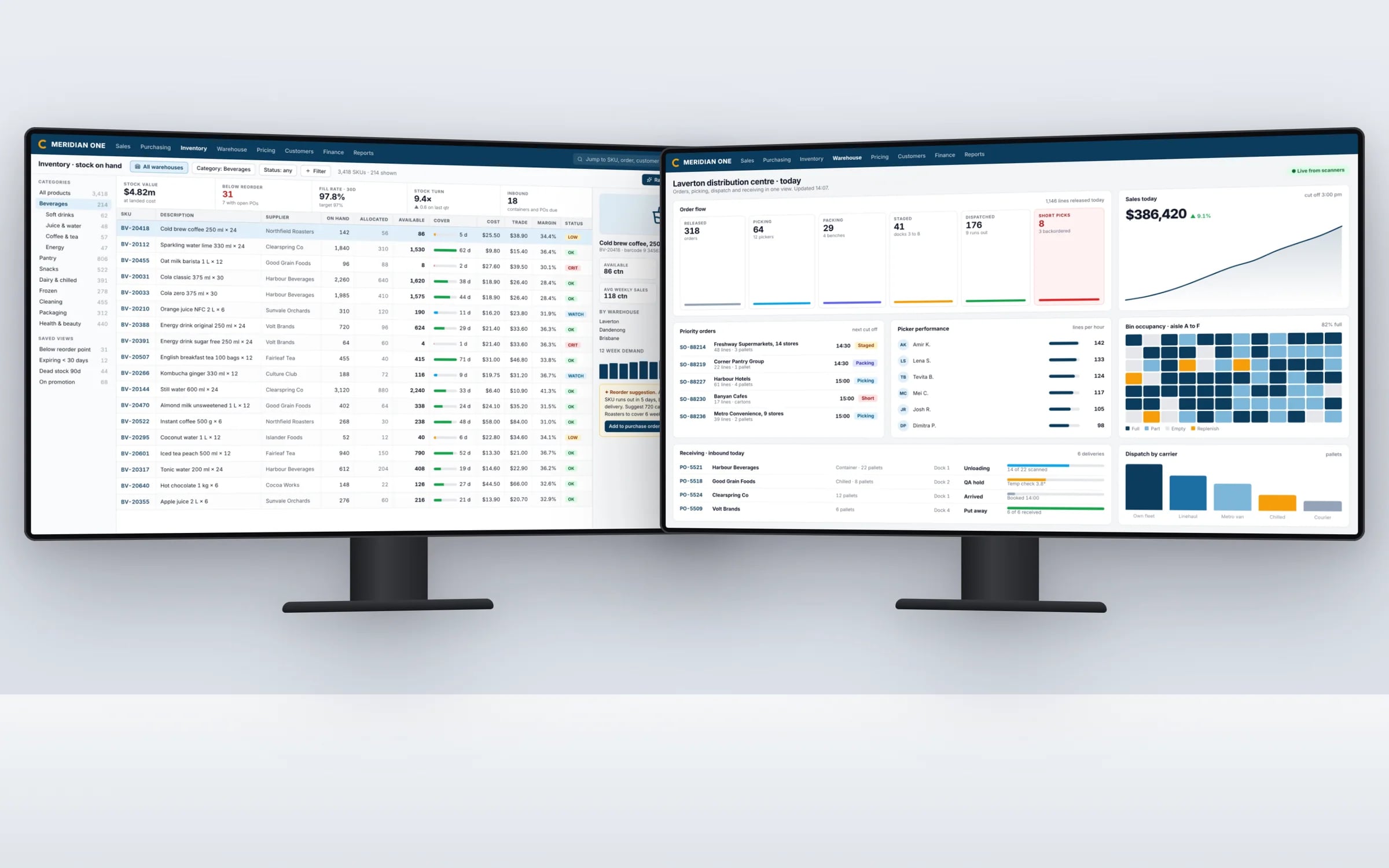
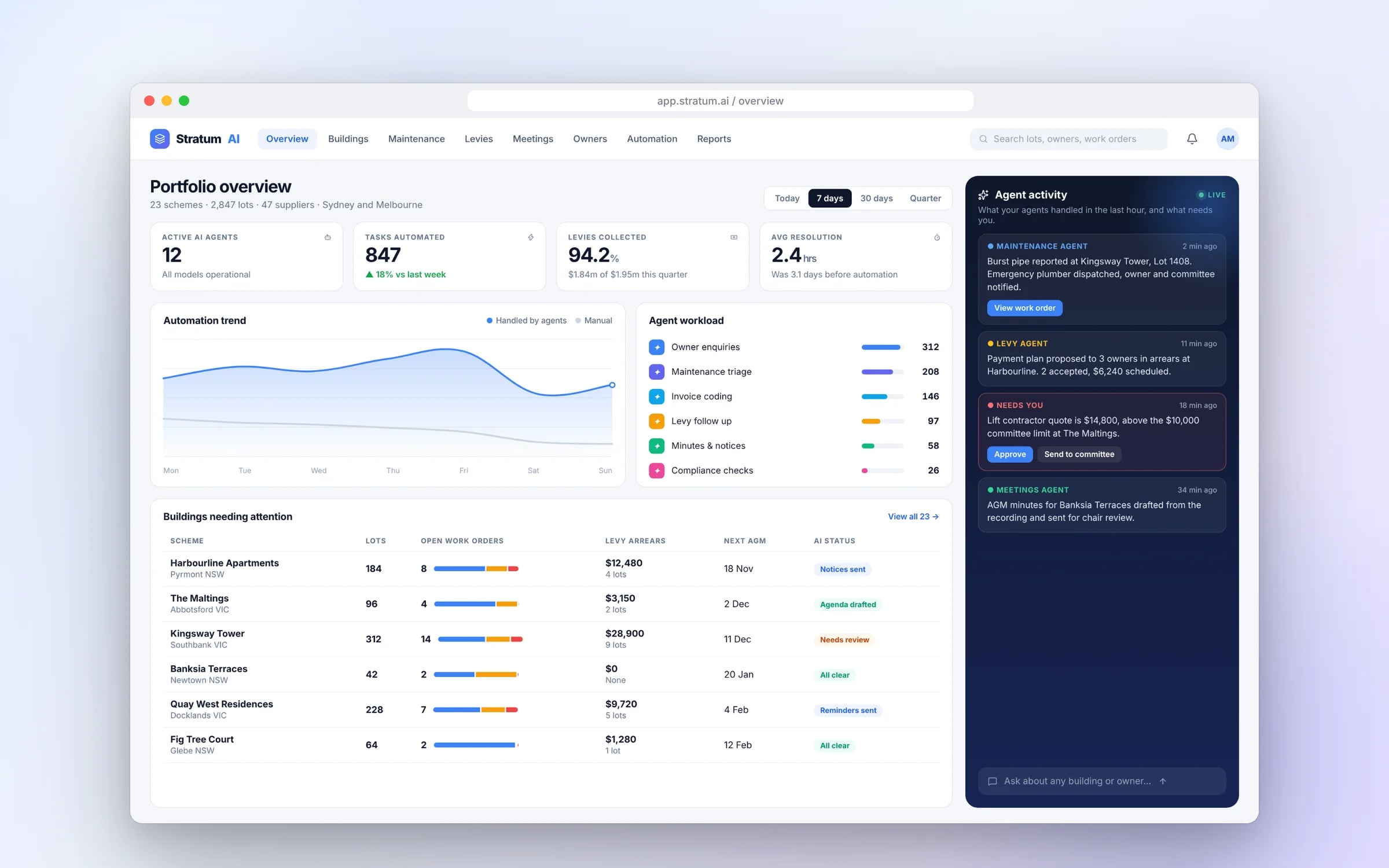
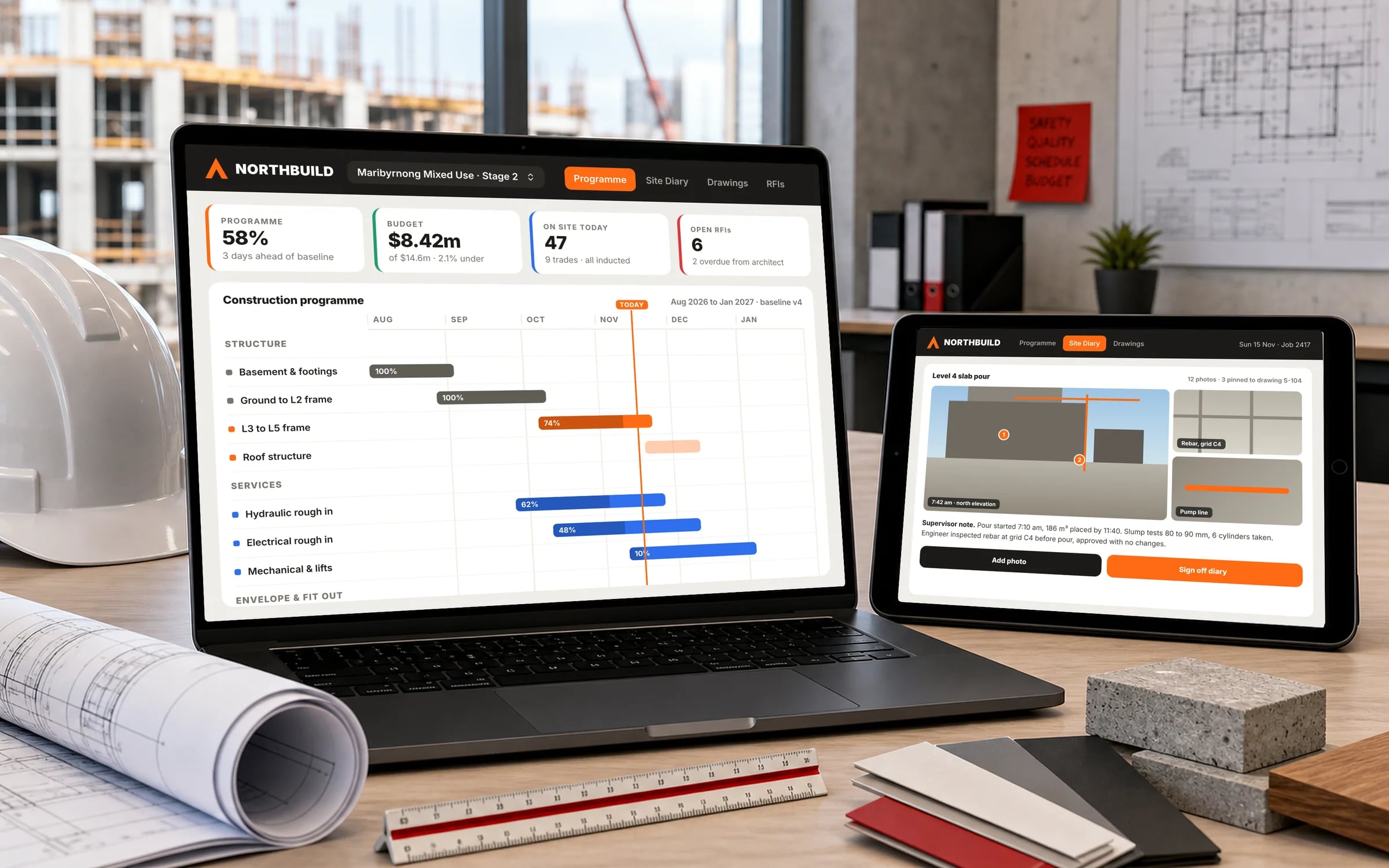
What it can look like. Screens from systems like the ones we build.
Example screens. The business names on them are invented, so no client is shown without permission.
★★★★★
“It has led to more sales because of how professional it is!”
Built by Hypex. Running in real businesses.
Built for businesses like yours
What does software from Hypex cover?
Software from Hypex covers custom systems for businesses that have outgrown spreadsheets and off the shelf tools: ERP and CRM systems, new products and MVPs, technical consulting before a build, and an embedded engineering team.
It suits owners and operations leads whose quotes, jobs, stock or rosters are spread across several apps. Hypex Digital is a team of nine in Port Melbourne, building in house, and you own the code and data.
Reviewed by the Hypex team, Port Melbourne
Software: questions owners ask.
How much does custom software cost in Australia?
Custom software cost is set by the hours the build takes, so there is no honest single figure: hours are driven by the number of workflows, user roles, integrations and the data that must be migrated. A system that replaces one spreadsheet is a very different build from one that runs quoting, scheduling, stock and invoicing. Hypex starts with a 30-minute discovery call and a system map that gives a scope, timeline and fixed price for each stage, so you know the cost of each step before committing to it.
Is custom software worth it for a small or mid-sized business?
Custom software is worth it when staff lose real hours each week to rekeying, reconciling and working around tools that do not fit, or when the way you quote, schedule or price is what sets you apart. It is usually not worth it when an off the shelf product already fits your process well. Count the weekly hours spent on workarounds and the subscriptions you pay for, then compare that with the cost of building the stage that removes the most of them.
Do you work with an existing codebase or only new builds?
Both: plenty of work starts inside a system someone else built. The first step is an audit of the existing code, data and hosting, followed by a joint decision on what is worth keeping, what needs fixing and what should be rebuilt. Keeping sound parts of an existing system is often faster and cheaper than starting again. The findings go into the system map, with each stage scoped and priced, so you can see the trade-offs before any work begins.
Can a new system run alongside the tools we already use?
Yes, new systems from Hypex run alongside your existing tools on real work until the numbers match, then the history moves across and the old tool is retired. Staff keep using what they know while the new system proves itself on actual quotes, jobs, rosters or invoices. Build is staged, with the part costing the most hours first, so the first working part is usually in use within weeks and a typical first release is about ten weeks from brief to handover.
Can custom software development qualify for the R&D Tax Incentive?
Parts of a custom software project may qualify for the Australian R&D Tax Incentive, depending on whether the work involves genuine technical uncertainty that is resolved through a systematic process of experiment. Routine development, such as standard forms and reports, generally does not qualify, while novel algorithms or unsolved integration problems may. Eligibility is assessed against the program rules, so speak with your tax adviser or an R&D specialist. Keeping records of the technical questions and experiments during the build helps any claim.
Is custom software secure enough for client and financial data?
Custom software can be as secure as any commercial platform when it is built with the right controls from the start. Hypex systems encrypt data in transit and at rest, use role-based access so staff see only what their role needs, and record changes through review and logging. The system runs in a cloud account your business owns, so you control who has access. Ask any developer how access is checked, where backups live and how changes are reviewed.
Where does custom software run, and who controls it?
Custom software from Hypex runs in a cloud account your business owns, and you own the source code, data and IP. That means you can change developers, bring the work in house or keep working with Hypex without asking permission or migrating out of someone else's platform. Ownership is worth checking in any software contract: code in the developer's repositories or hosting in their account makes it much harder to leave.
What kinds of systems has Hypex built?
Hypex has shipped systems for strata operations intelligence, an electrical supply marketplace, a tyre service operations platform with AI sales call coaching, nurse workforce management, construction project management and cleaning service scheduling. The common thread is operational work: jobs, rosters, stock, quotes and invoices that had been spread across spreadsheets and separate apps. Each build followed the same staged approach, starting from a system map and running alongside existing tools until the numbers matched.
Show us how you run it today.
Thirty minutes with the people who would build it. We'll map where the hours go and tell you honestly whether custom software is worth it for you.