Stop renting the system your business runs on. Own it.
Right now you probably pay every month, per person, for software that does most of what you need and none of it quite your way. When we build your system, it belongs to your business. Here's what that actually means.
Five years of renting, against owning. The gap is what you keep.
What you own.
Development agreement · clause 9
Intellectual property
All intellectual property in the software developed for the Client, including source code, designs and documentation, is assigned to Your Company Pty Ltd. The Client may use, modify, license or sell it.
Illustrative. Yours would show your own names and accounts.
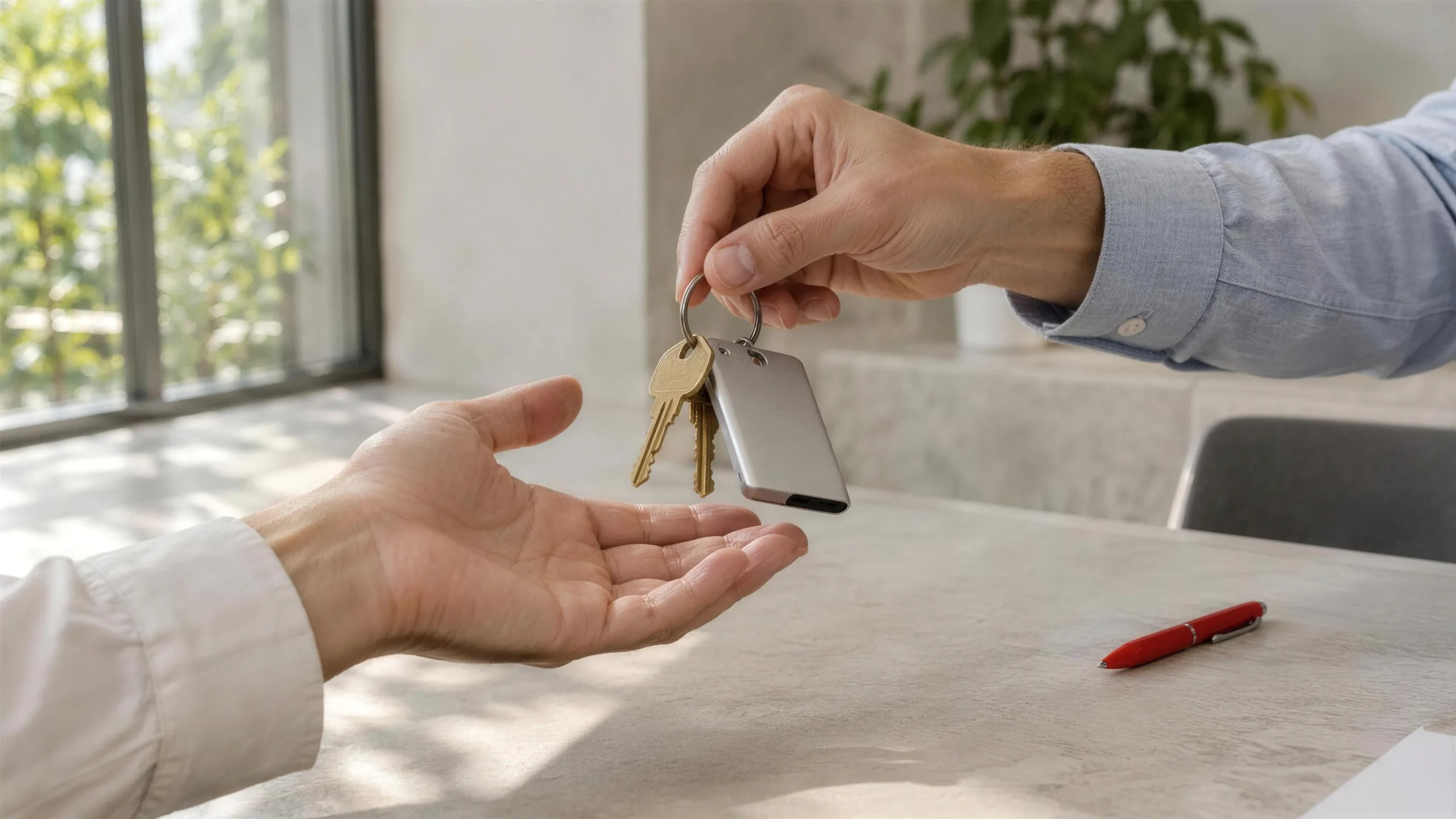
Handed over: the code, the infrastructure, the documentation, admin access and the data.
Renting versus owning, in the moments that matter.
It sits on the balance sheet.
Subscriptions are a running cost that grows with your headcount. Software your business owns is different: depending on how it's built and your circumstances, development costs may be able to be recognised as an intangible asset rather than expensed. Your accountant will tell you how it applies to you.
Owned systems that remove manual work and are documented and transferable can also make a business easier to scale and easier to sell. A buyer takes over a working system on day one.
And where parts of the build involve genuinely experimental work, some of it may be eligible for the R&D Tax Incentive.
RentingProfit and loss, every year
- Year 1Software subscriptions−$100,000
- Year 2Software subscriptions−$100,000
- Year 3Software subscriptions−$100,000
- Year 4Software subscriptions−$100,000
- Year 5Software subscriptions−$100,000
Left on the books after five yearsNothing
OwningWhat the business holds
- Source codeAssigned to the business
- Data model and recordsIn your own cloud account
- Workflows and integrationsDocumented
- AI agents and their rulesDocumented
- Design system and screensAssigned to the business
Left on the books after five yearsA system you own*
*Whether development costs can be recognised as an intangible asset depends on the work and the accounting standards. Your accountant makes that call. The $100,000 a year is illustrative.
Questions owners ask us
Who owns the software Hypex builds?
Your business does. The intellectual property is assigned to you, and you hold the source code and the cloud account it runs in.
What happens if we stop working with Hypex?
You keep everything: the code, the documentation, the data and the hosting. Any capable developer can pick it up.
Do we have to pay ongoing fees?
You pay your own hosting directly, which is usually modest. Support and further development are optional and agreed with you; there is no per-seat licence.
Can custom software be treated as an asset?
Development costs may be able to be recognised as an intangible asset under Australian accounting standards when certain criteria are met. Ask your accountant how it applies to your business.
See it for your industry
Show us how you run it today.
Thirty minutes with the people who would build it. We'll map where the hours go and tell you honestly whether custom software is worth it for you.