Skip to content

Software built around the way your industry works. Find yours, then watch a day in it rebuilt.

We work with businesses that have outgrown spreadsheets and off-the-shelf apps, from around fifty staff to multi-site operations. Find yours and you'll see the bottlenecks we usually find, a day rebuilt around one system, and what we'd build first.

Every industry, one way of building.

0industries we build for
0systems shipped and in use
0 wksto the first part in daily useTypical
0%of the code and data yours

Systems in use. On the floor, the counter and the site.

01 / 12
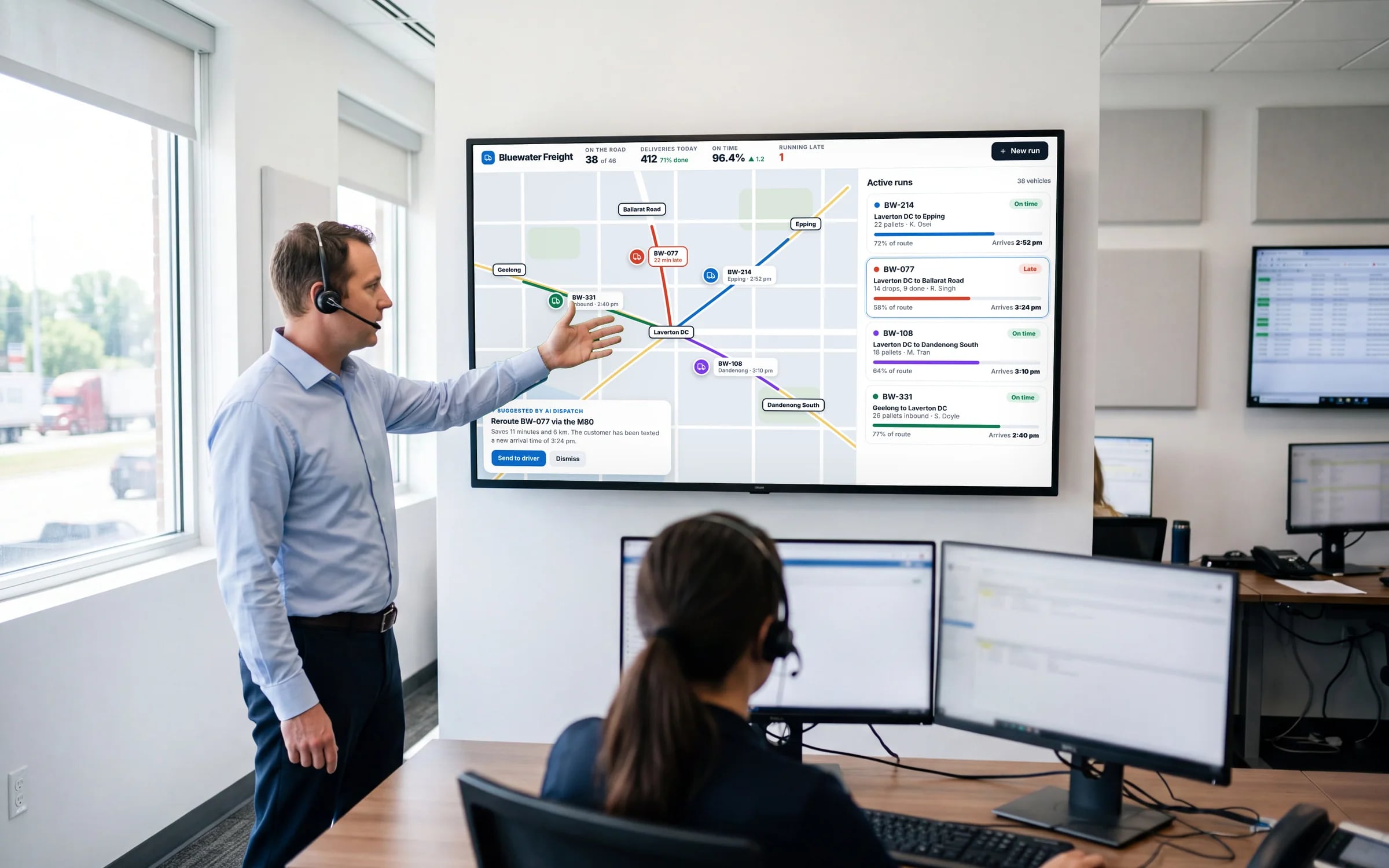
A dispatch map on a wall screen in a bright logistics office
Dispatch on the wall screen
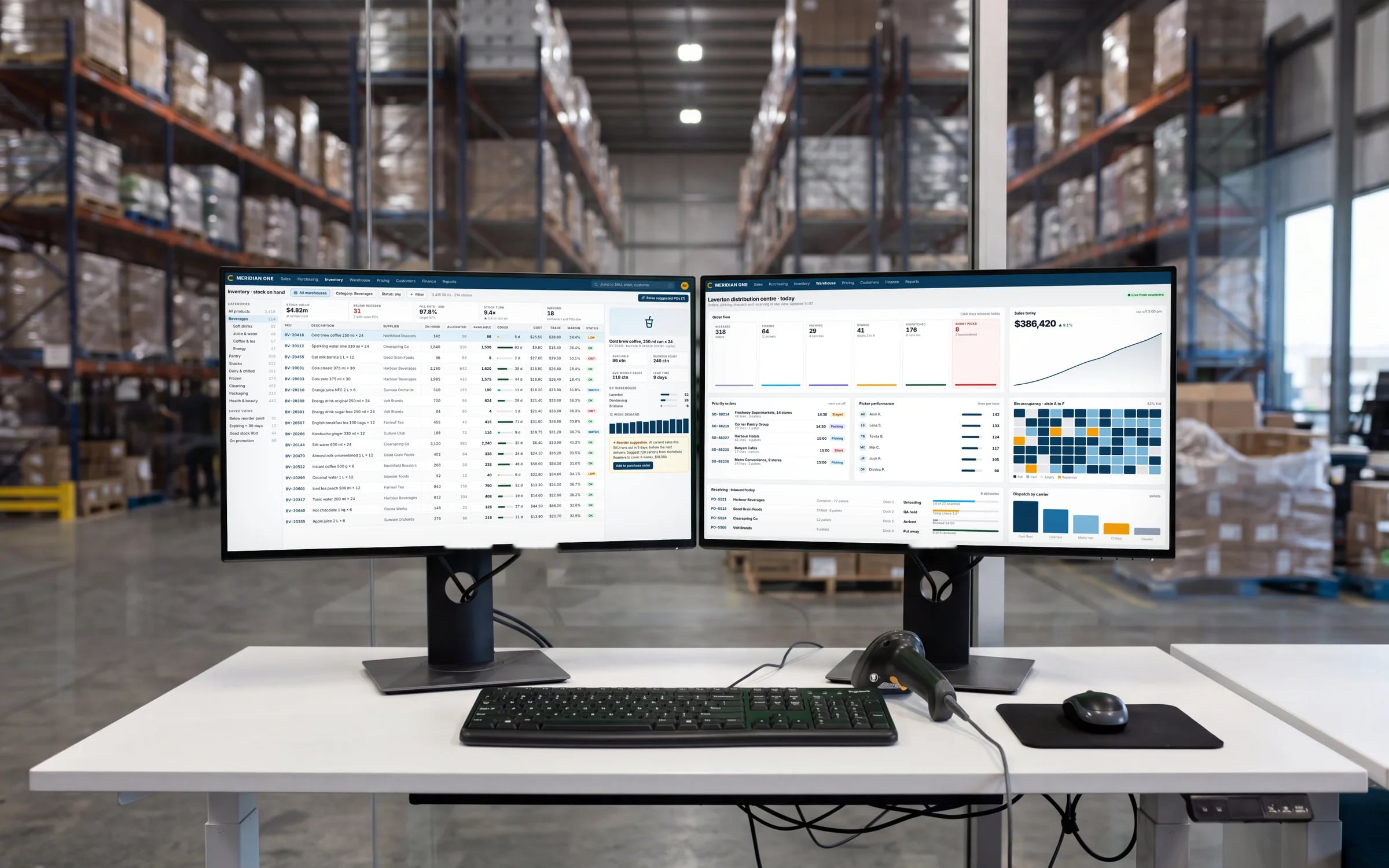
Inventory screens on two monitors in a warehouse office
Stock and orders in the warehouse office
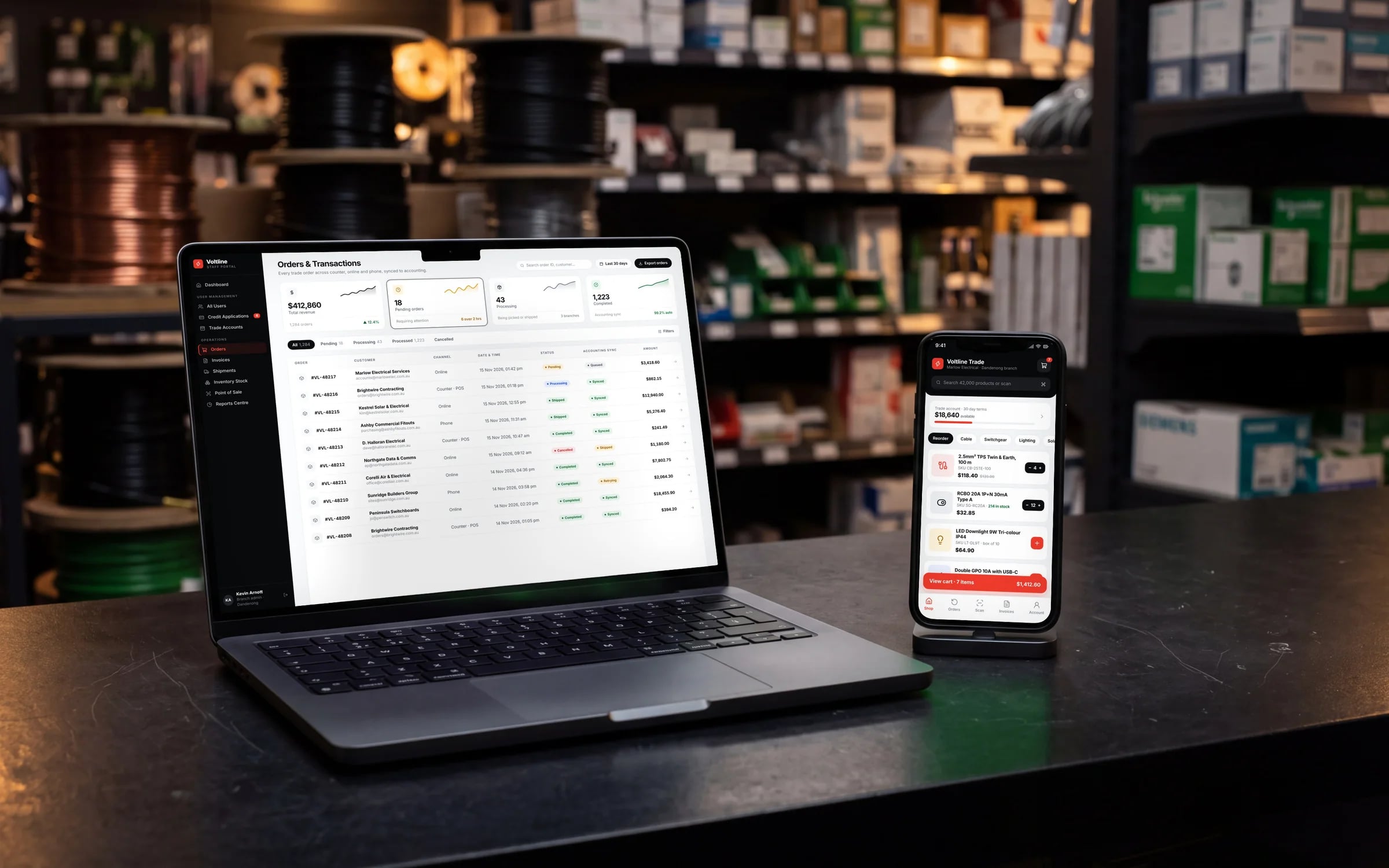
A trade ordering system on a laptop and phone at an electrical trade counter
Orders at the trade counter
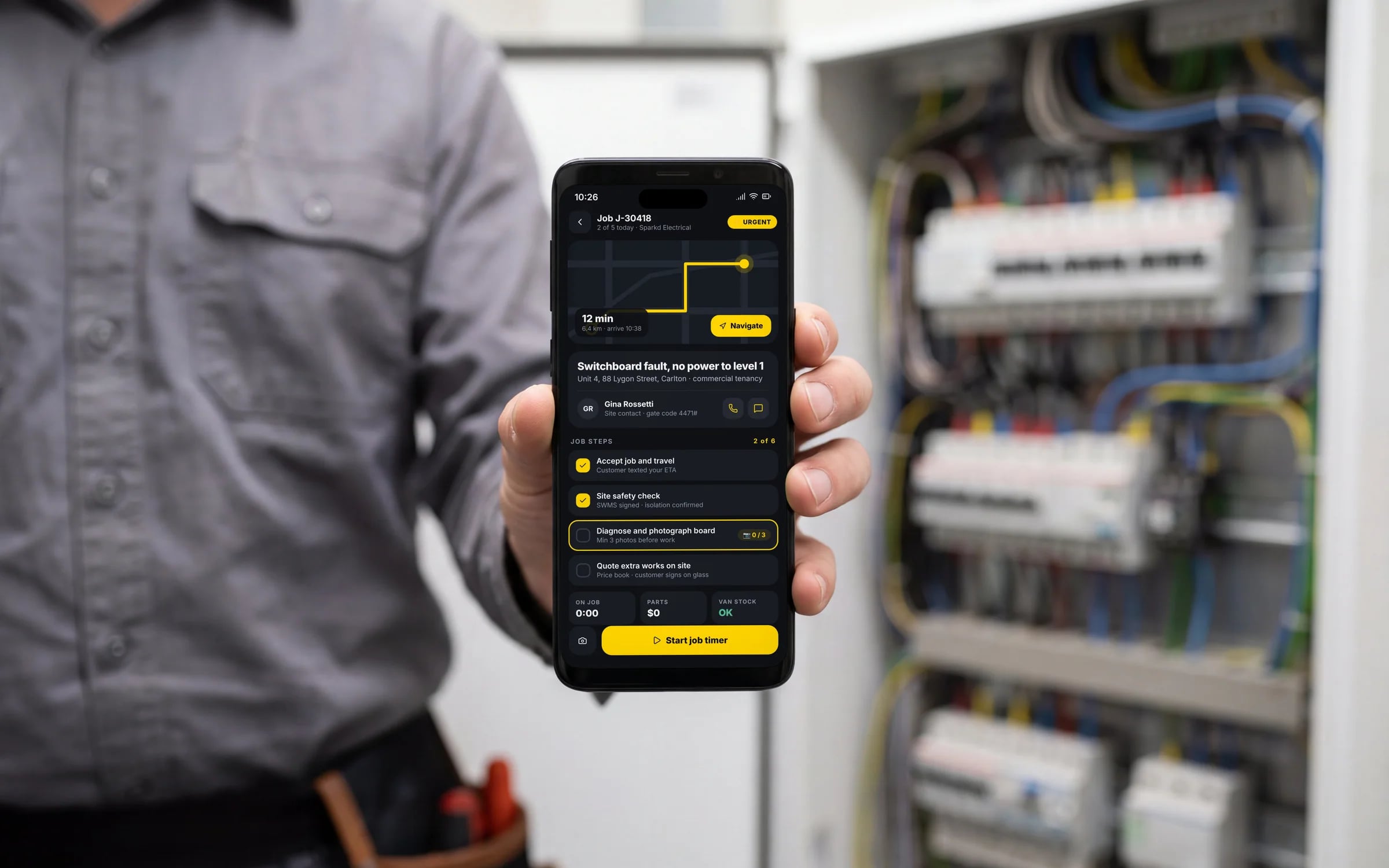
An electrician holding a job app beside a switchboard
The day's jobs in the electrician's hand
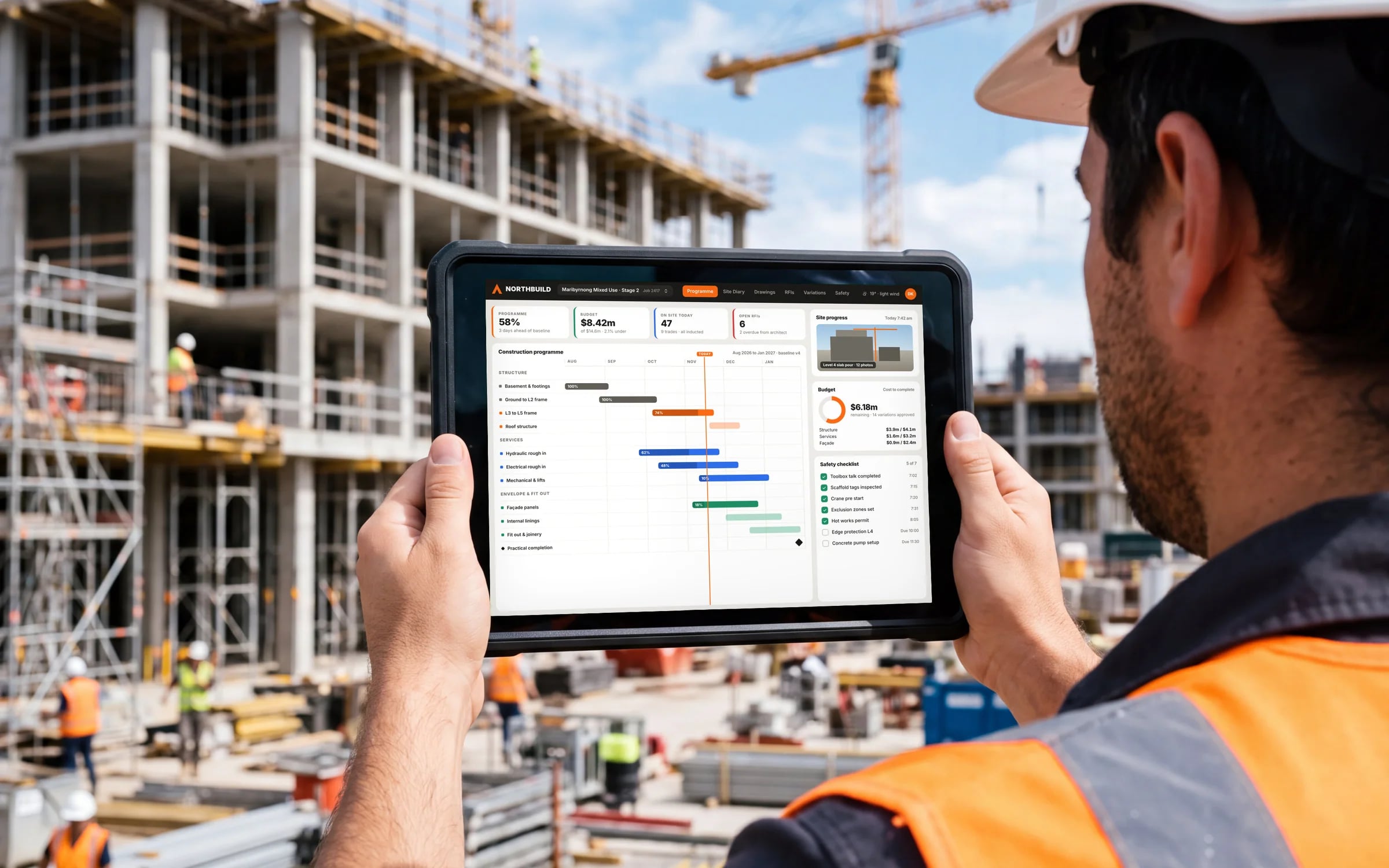
A construction programme on a tablet held on a building site
The programme on site
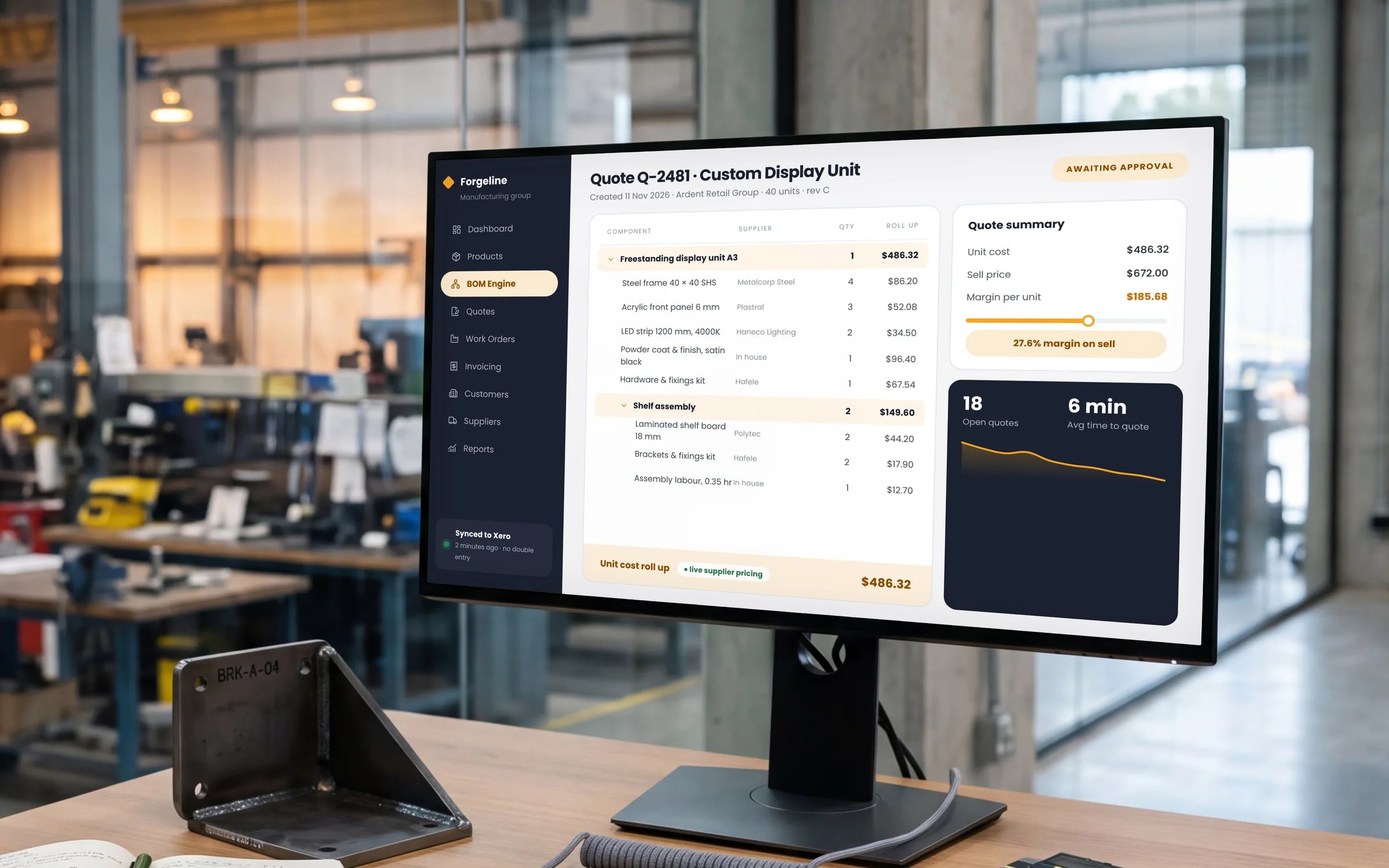
A quote on a monitor in an office above the factory floor
Quoting above the factory floor
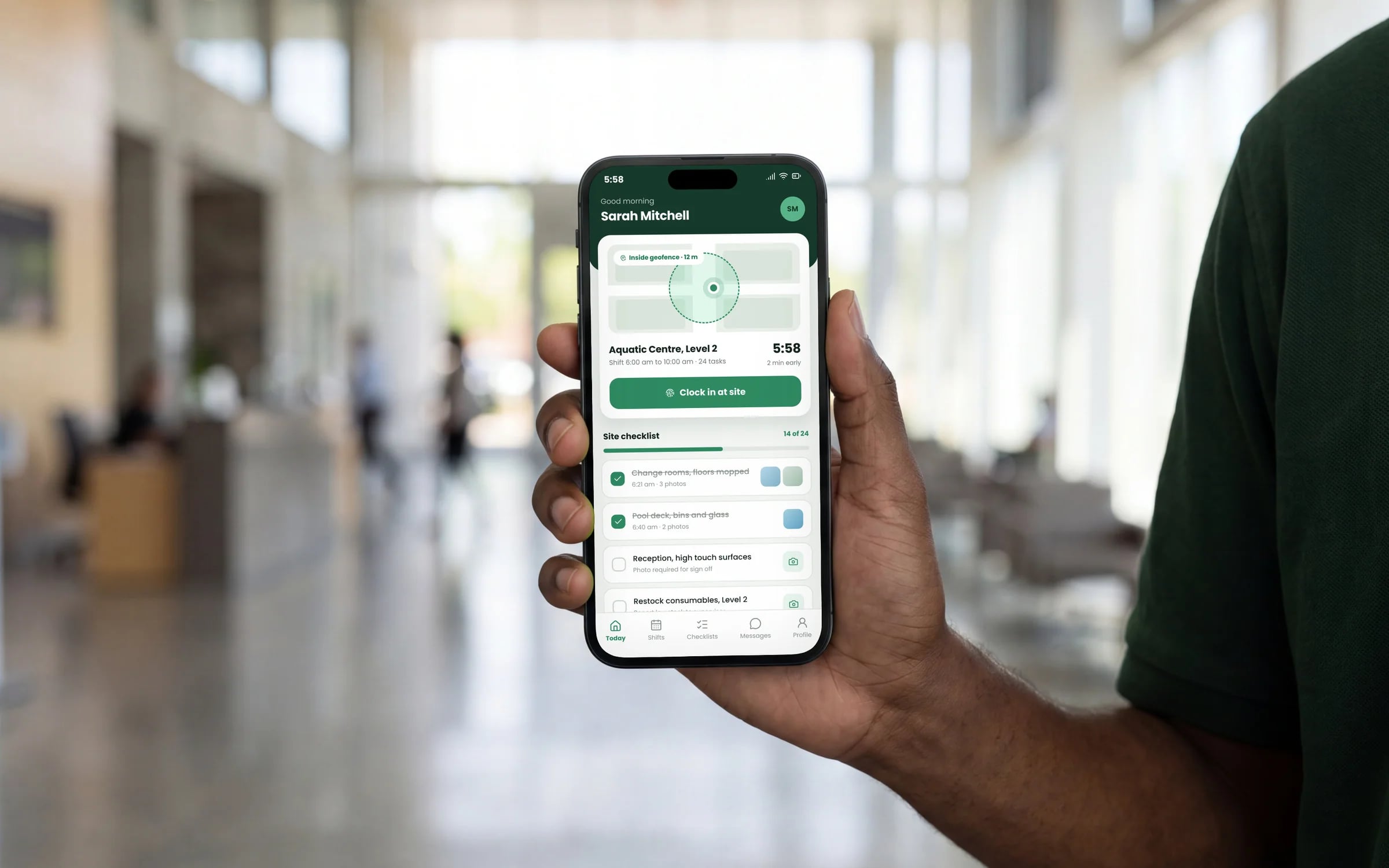
A cleaner's job app held in an office lobby
The cleaner's app on site
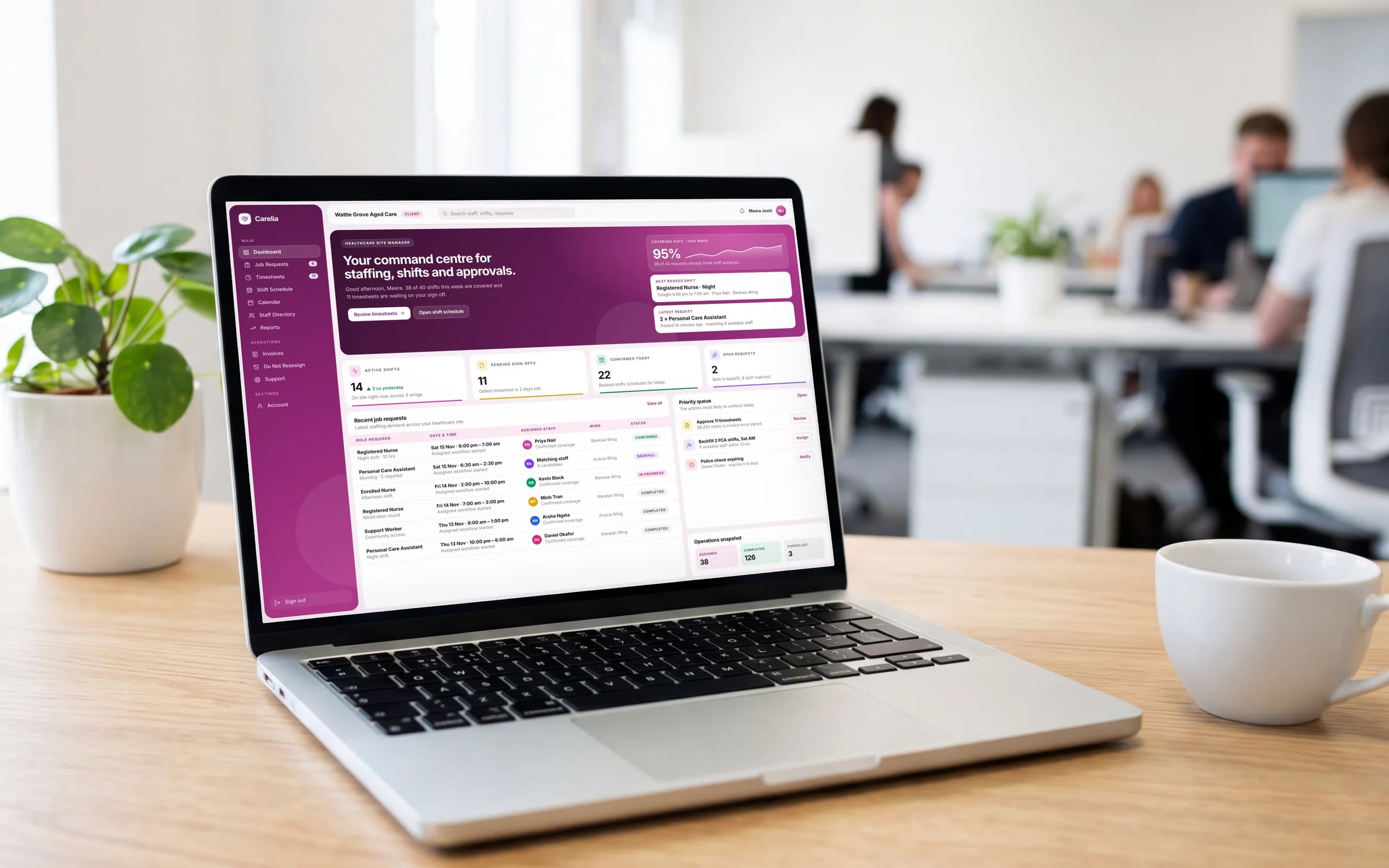
A workforce platform open on a laptop in a bright care office
Rosters and approvals in the care office
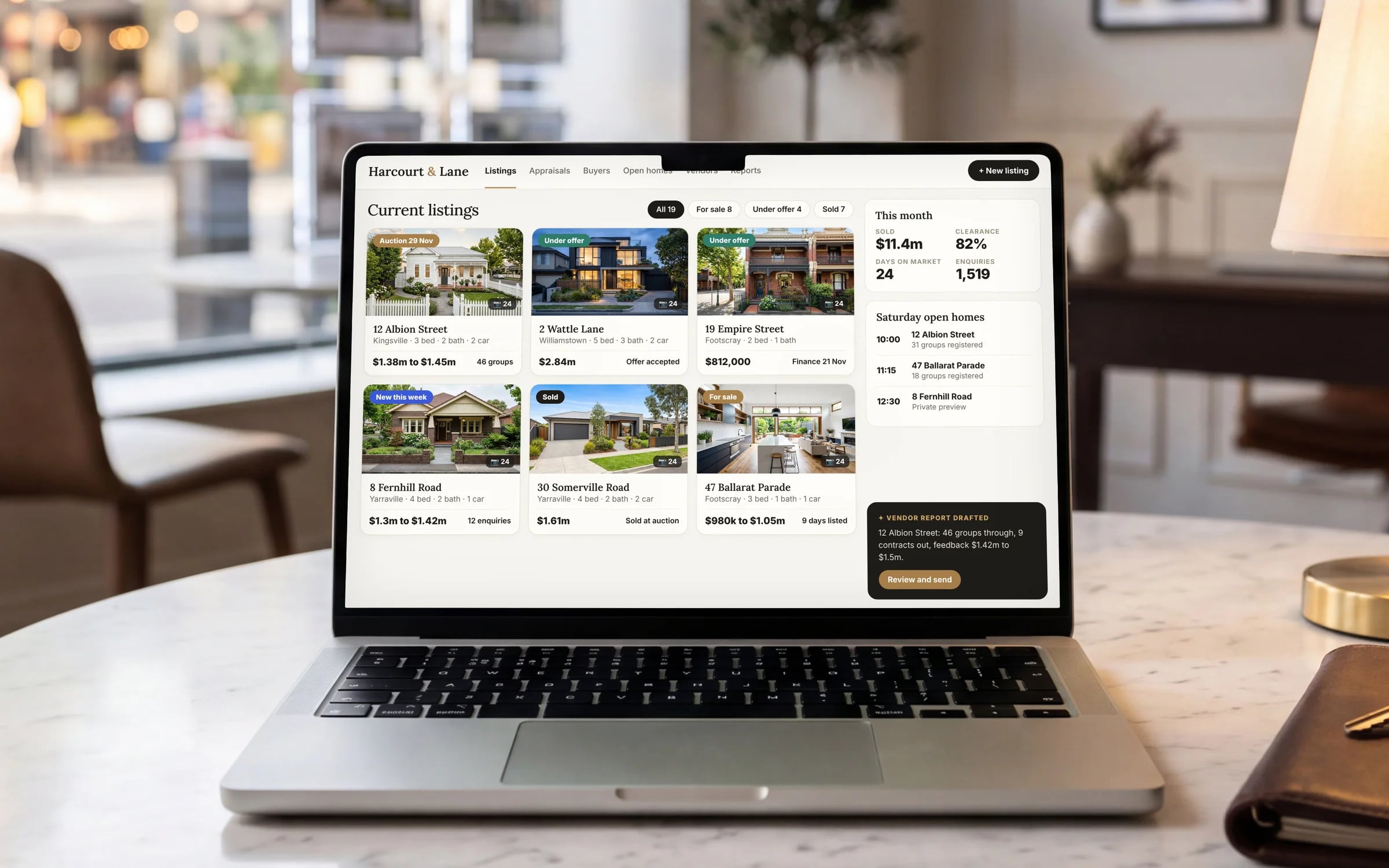
A real estate sales pipeline on a laptop in an agency
The agency's pipeline
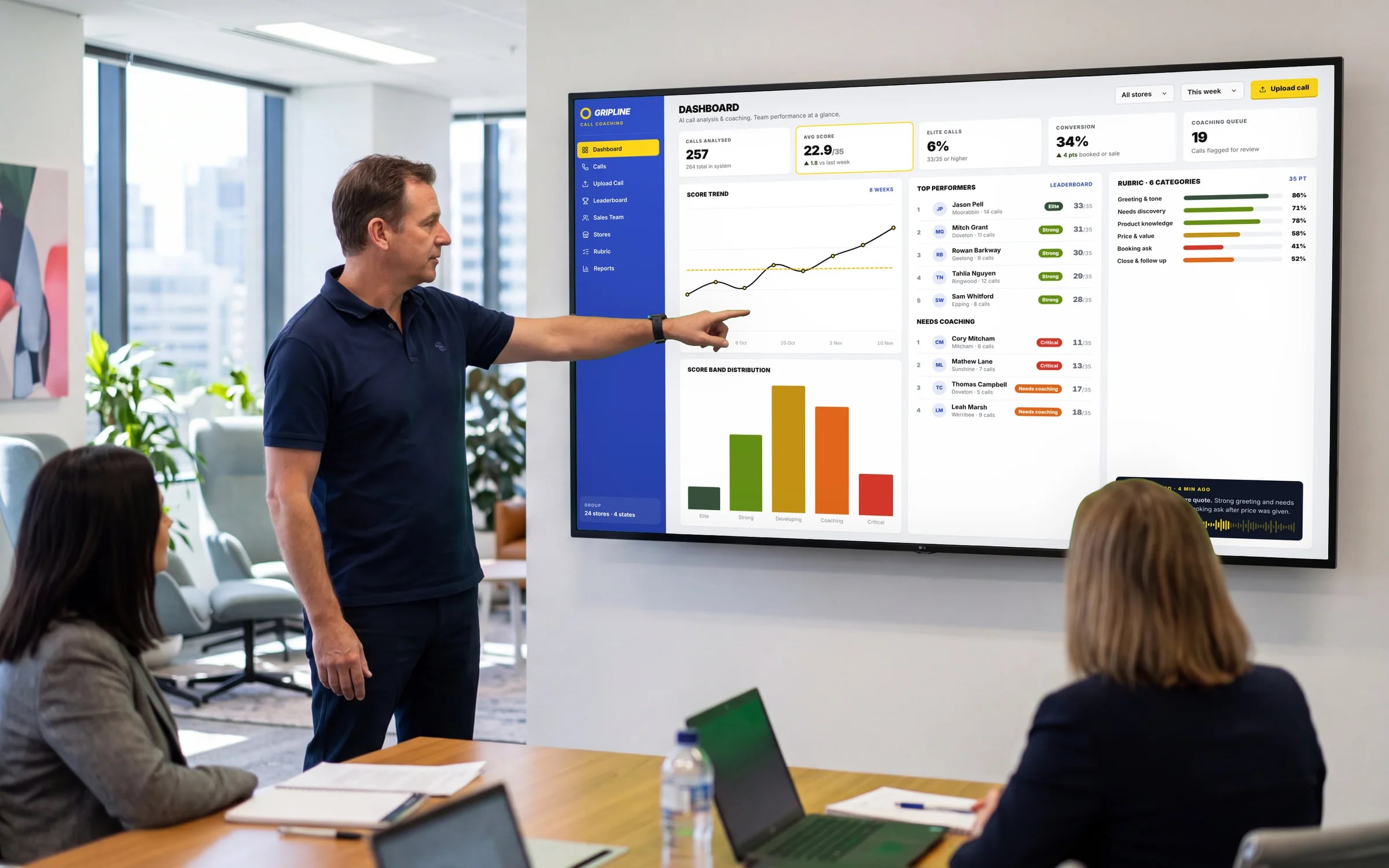
A sales manager pointing at a call score trend on a wall screen in a team meeting
Call scores reviewed with the team
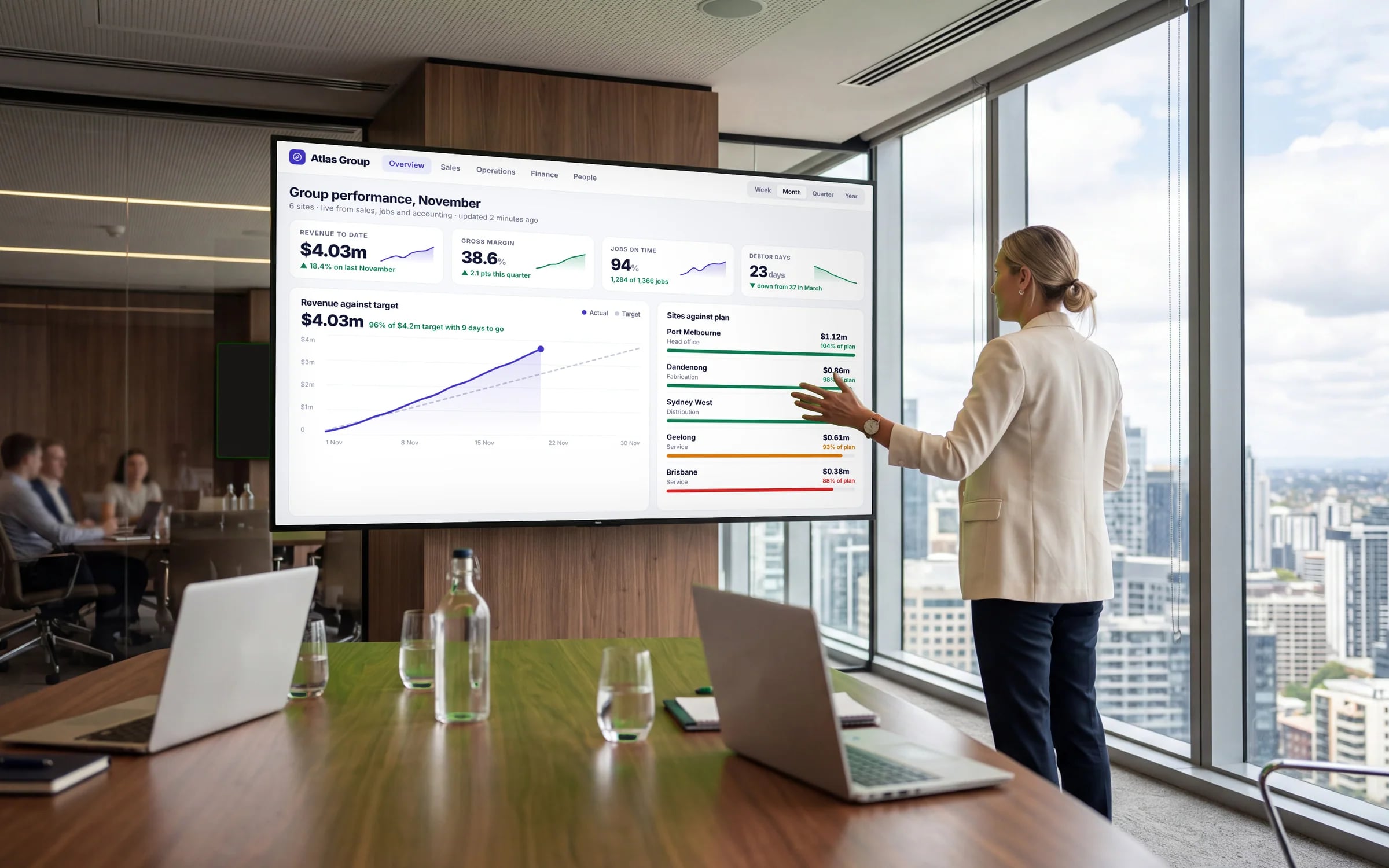
A KPI dashboard presented on a screen in a boardroom
The numbers the board asks for, live
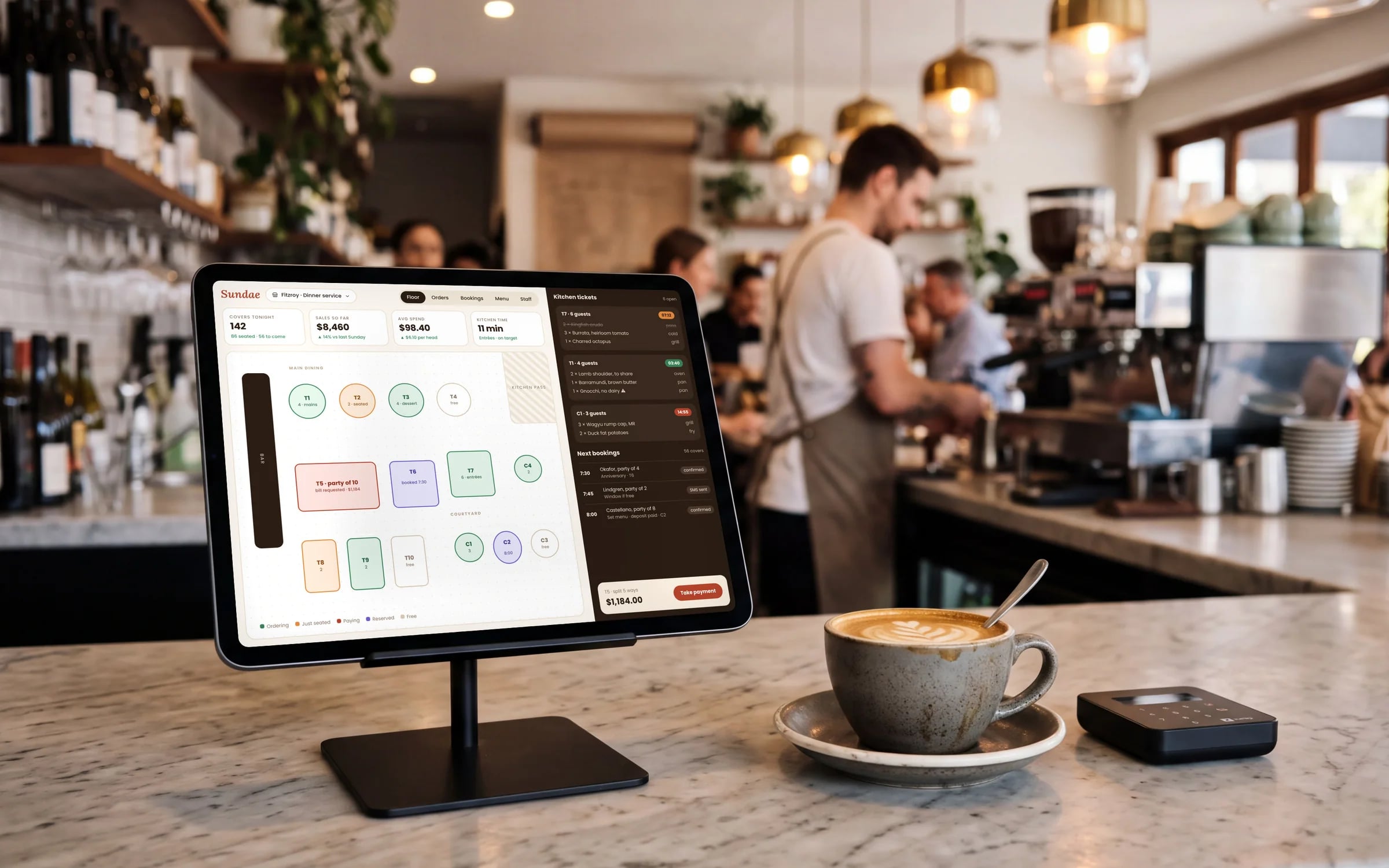
A venue system on a counter tablet in a busy cafe
Bookings and tickets at the counter

Example screens. The business names on them are invented.

Different industries. The same building blocks.

Most of what a business needs from its system turns up again and again. That’s why a custom build is quicker than it sounds: the parts are proven, and the work goes into fitting them to you.

Modules typically built for each industry
IndustryQuotingSchedulingField appPortalStockRosteringInvoicingAI inboxReporting
Logistics & transportYesYesYesYesNot usuallyYesYesYesYes
Warehousing & 3PLYesYesYesYesYesYesYesYesYes
Wholesale & distributionYesNot usuallyNot usuallyYesYesNot usuallyYesYesYes
Trades & field servicesYesYesYesYesYesYesYesYesYes
ConstructionYesYesYesYesNot usuallyYesYesYesYes
ManufacturingYesYesNot usuallyYesYesYesYesYesYes
Cleaning & facilitiesYesYesYesYesNot usuallyYesYesNot usuallyYes
Healthcare & staffingNot usuallyYesYesYesNot usuallyYesYesYesYes
Property & strataNot usuallyYesYesYesNot usuallyNot usuallyYesYesYes
Automotive & fleetYesYesYesYesYesNot usuallyYesYesYes
Professional servicesYesYesNot usuallyYesNot usuallyYesYesYesYes
Retail & e-commerceNot usuallyNot usuallyNot usuallyYesYesYesYesYesYes
Labour hire & recruitmentYesYesYesYesNot usuallyYesYesYesYes
Security servicesYesYesYesYesNot usuallyYesYesYesYes
Hospitality groupsNot usuallyNot usuallyNot usuallyNot usuallyYesYesYesYesYes
Industries using it11/1512/1510/1514/157/1512/1515/1514/1515/15

Typical, from the systems we scope. Every build starts from how your business actually runs, so yours will differ.

Which industries does Hypex build software for?

Hypex builds custom software for established Australian businesses in logistics, warehousing, wholesale, manufacturing, retail, trades, construction, cleaning, security, healthcare staffing, labour hire, hospitality, property and strata, automotive and fleet, and professional services.

What these businesses share is the shape of their work: jobs, people, stock or assets moving through steps that their current software no longer fits.

Reviewed by the Hypex team, Port Melbourne

Questions owners ask about their industry.

Does a software developer need experience in my industry?

Industry experience helps, but how well a developer learns your workflow matters more. Every business in a sector runs a little differently, and the system has to fit yours. Look for a developer who asks how a job, an order or a shift moves through your business step by step before talking about features. Hypex has shipped systems in property, electrical wholesale, automotive, healthcare staffing, construction and cleaning, and starts every project by mapping how your work moves.

Is custom software worth it for a business with fifty staff?

Custom software is often worth it at around fifty staff, because that is where workarounds start to cost real hours. Add up the time spent typing the same information into several tools, fixing errors between them and pulling reports together by hand. If that cost keeps growing with every hire, a system built around your work usually pays back. If it does not, a packaged product may be the better choice, and a good developer will say so.

What software problems do most industries share?

The same few problems turn up in almost every industry. Information is keyed into several systems that never agree. A spreadsheet holds the real schedule, stock count or roster. Approvals happen in email and get lost. Reports take a day to put together, so decisions are made on last month's numbers. That is why custom systems are quicker to build than they sound: the building blocks repeat, and the work goes into fitting them to your business.

Can one system run several sites or business units?

Yes, a custom system can be built for several sites or business units from the start. Each site sees its own jobs, stock or rosters, while head office sees every site in one place and can compare them. Role-based access controls who sees what, so a site manager works with their own site while finance sees the whole business. Because the system is built around your structure, adding a new site does not mean buying a new set of licences.

Can custom software keep the records my industry requires?

Custom software can hold and check the records your industry requires, such as staff credentials in healthcare, site inductions in construction or proof of service in cleaning, and flag anything about to expire. It does not make a business compliant by itself: your obligations still need advice from your regulator or adviser. What the system does is keep the evidence in one place, attached to the right job or person, with every change logged so you can show who did what and when.

Don't see your industry?

Most of what we build is about how work moves through a business, and that pattern repeats across industries. Tell us how yours runs.