IT Consulting. Technical strategy and architecture before a line of code is written.
We map the technical decisions that matter before a build starts - architecture, integrations, build vs buy - so the roadmap that follows is grounded in what the systems can actually support.

What you walk away with.
- 01A technical architecture assessment of your current stack
- 02A build vs. buy recommendation for each capability in scope
- 03A staged roadmap your team can act on immediately
Five years of renting, against owning. The gap is the point.
What it can look like. Screens from systems like this.
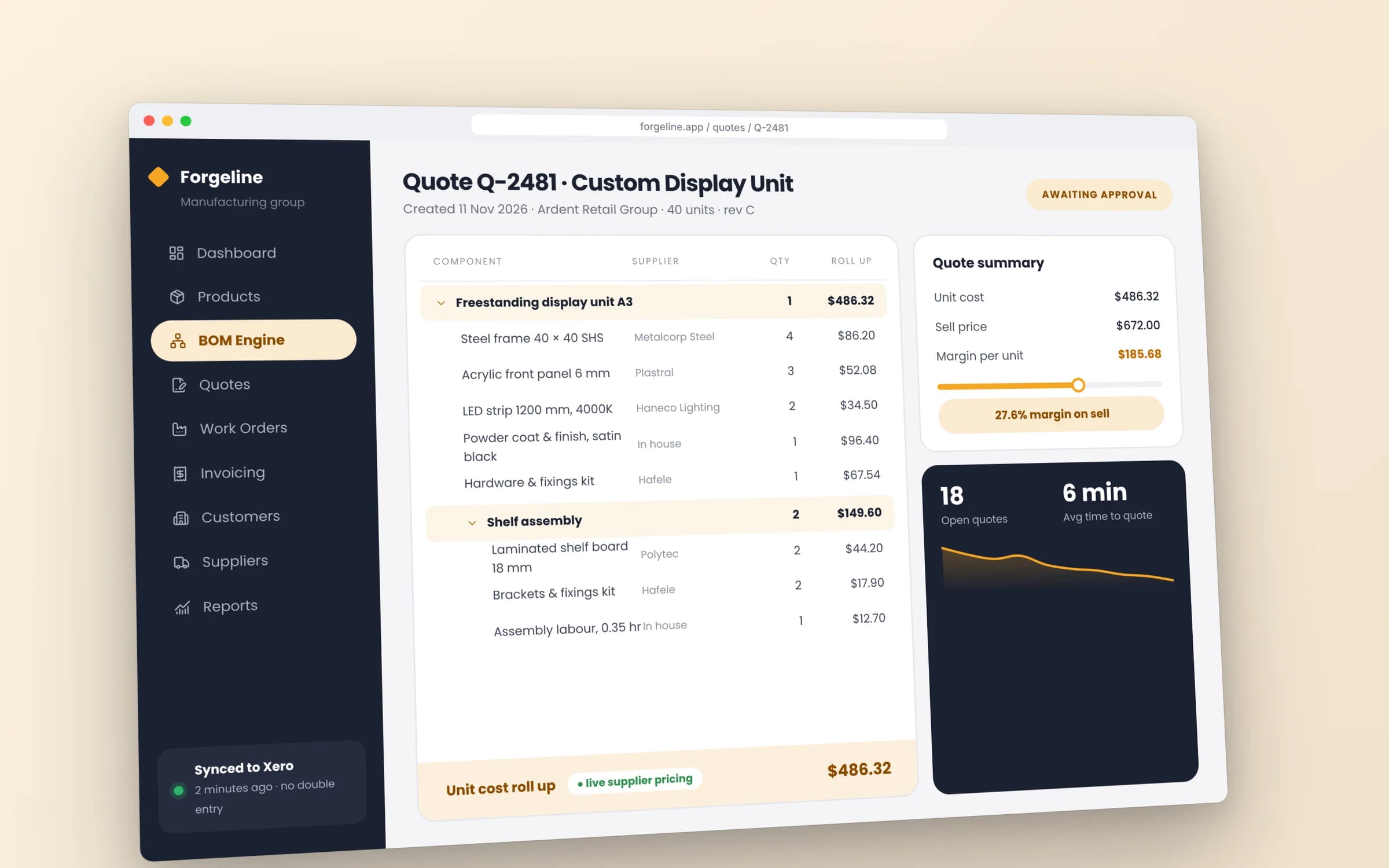
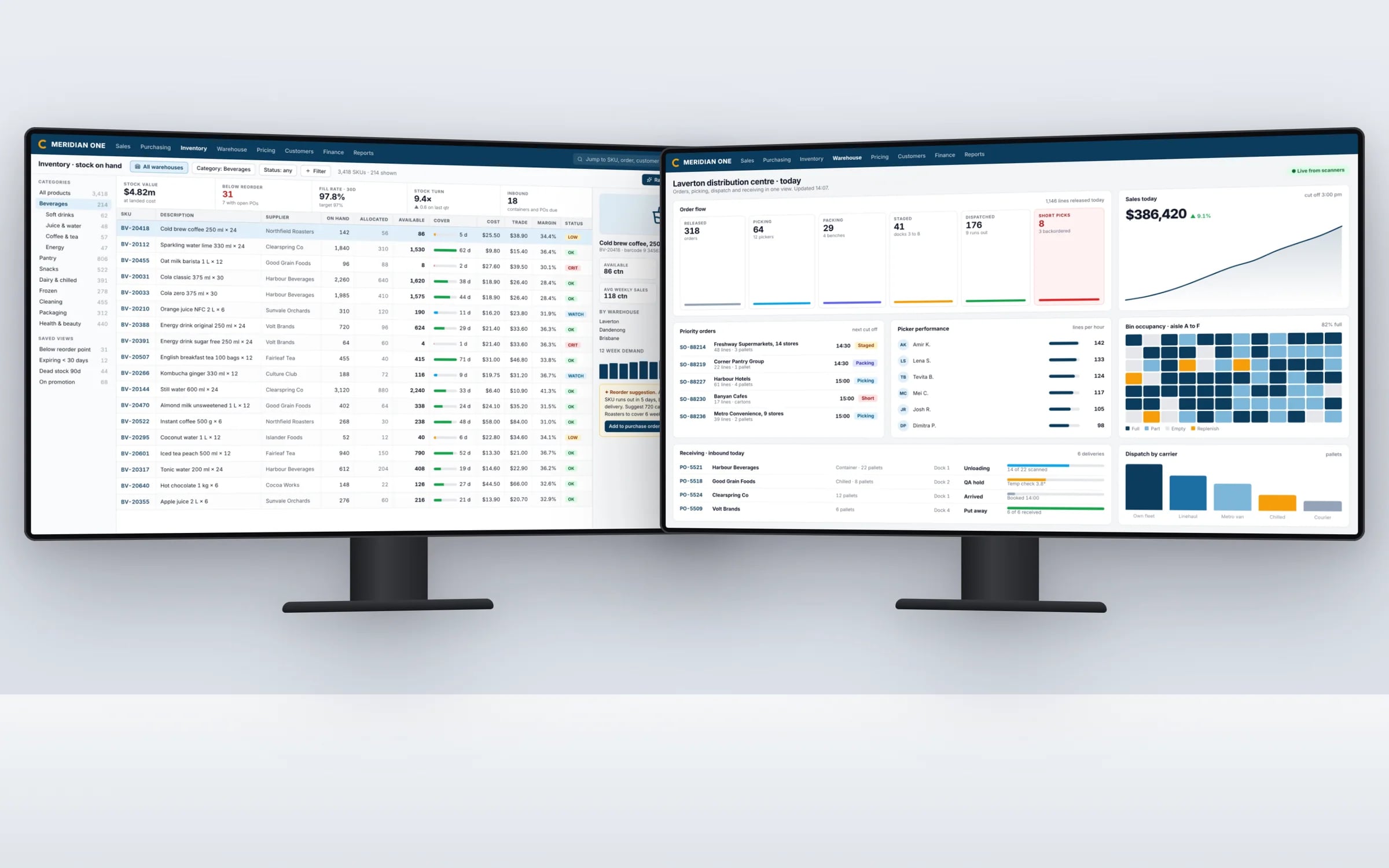
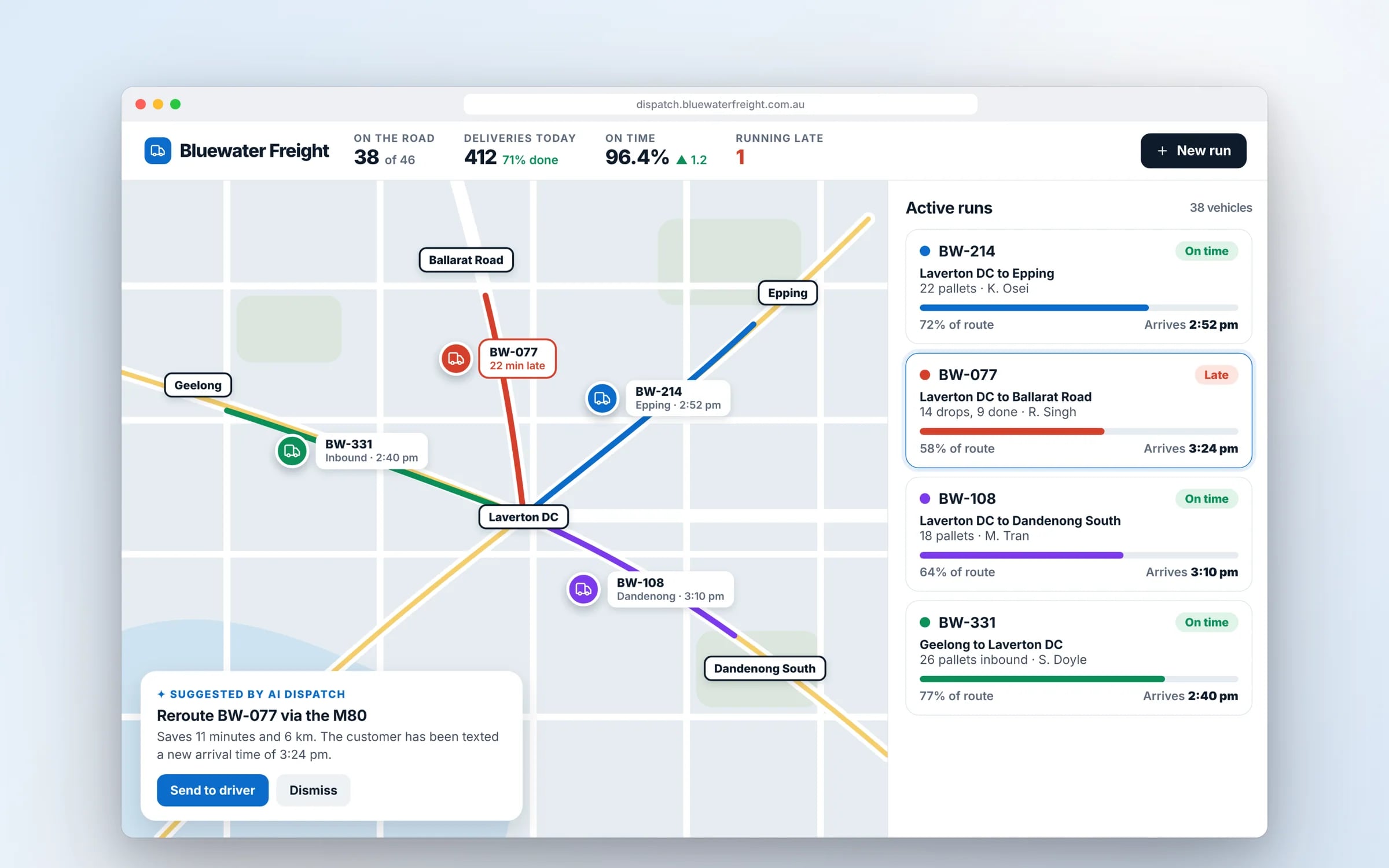
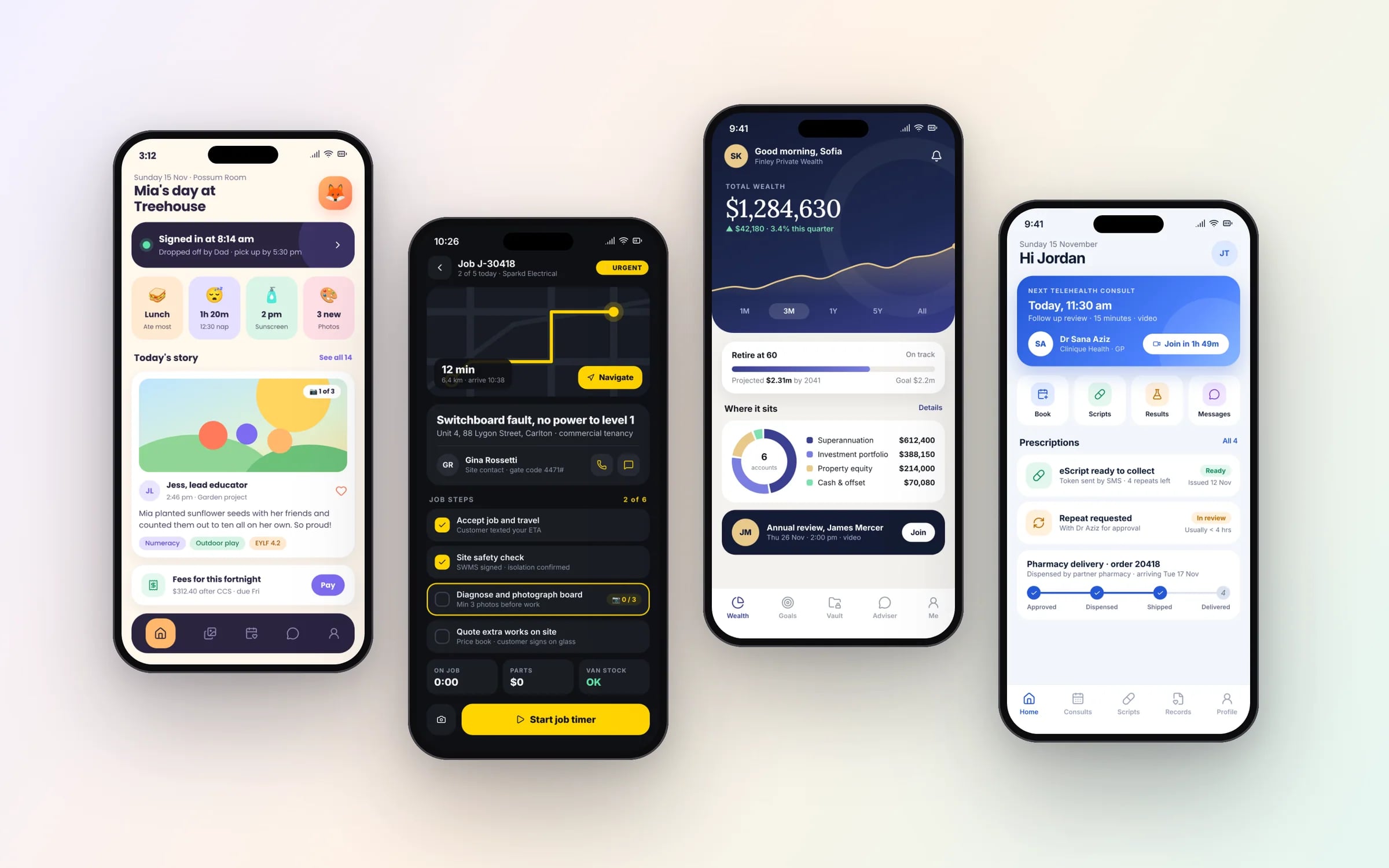
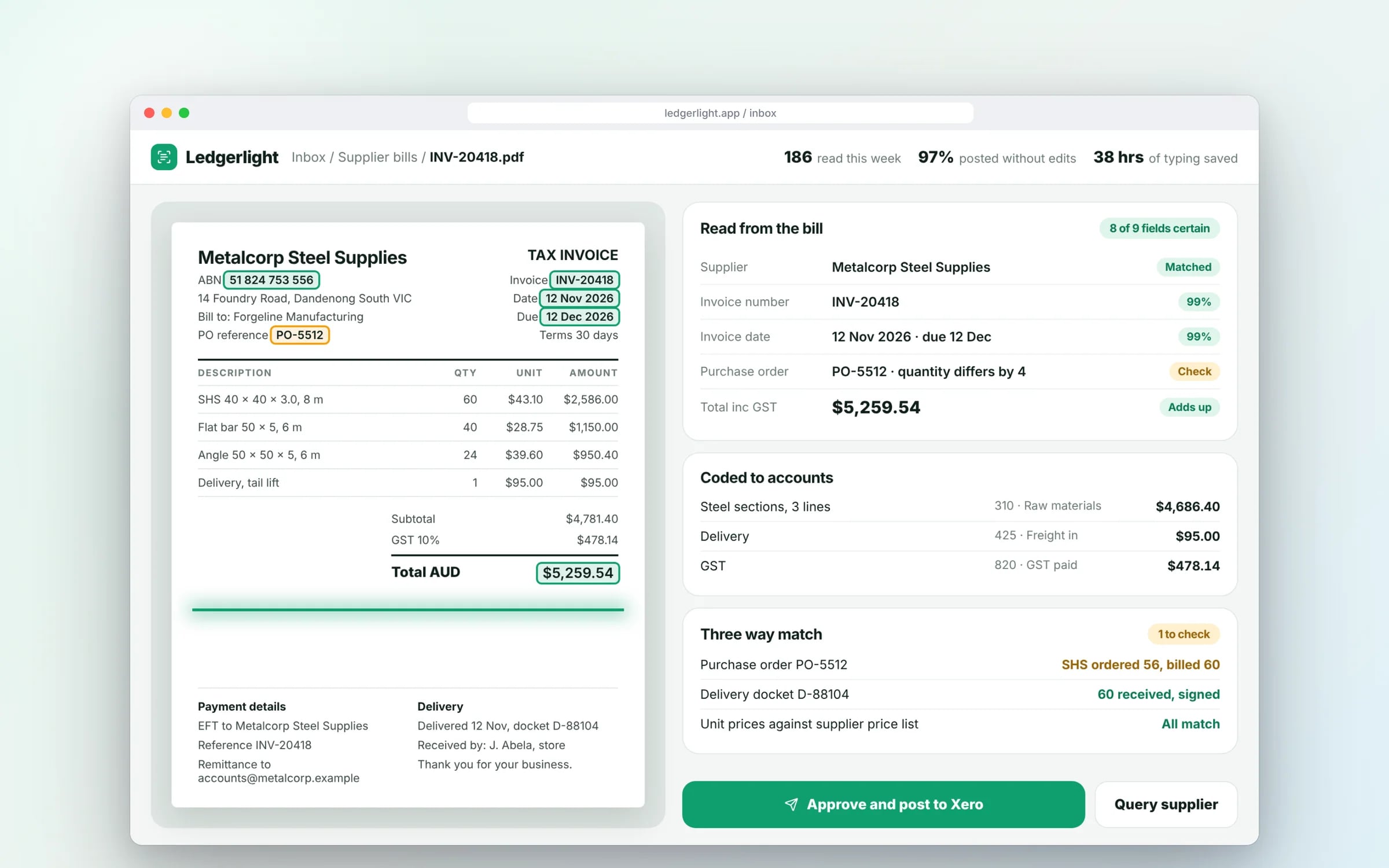
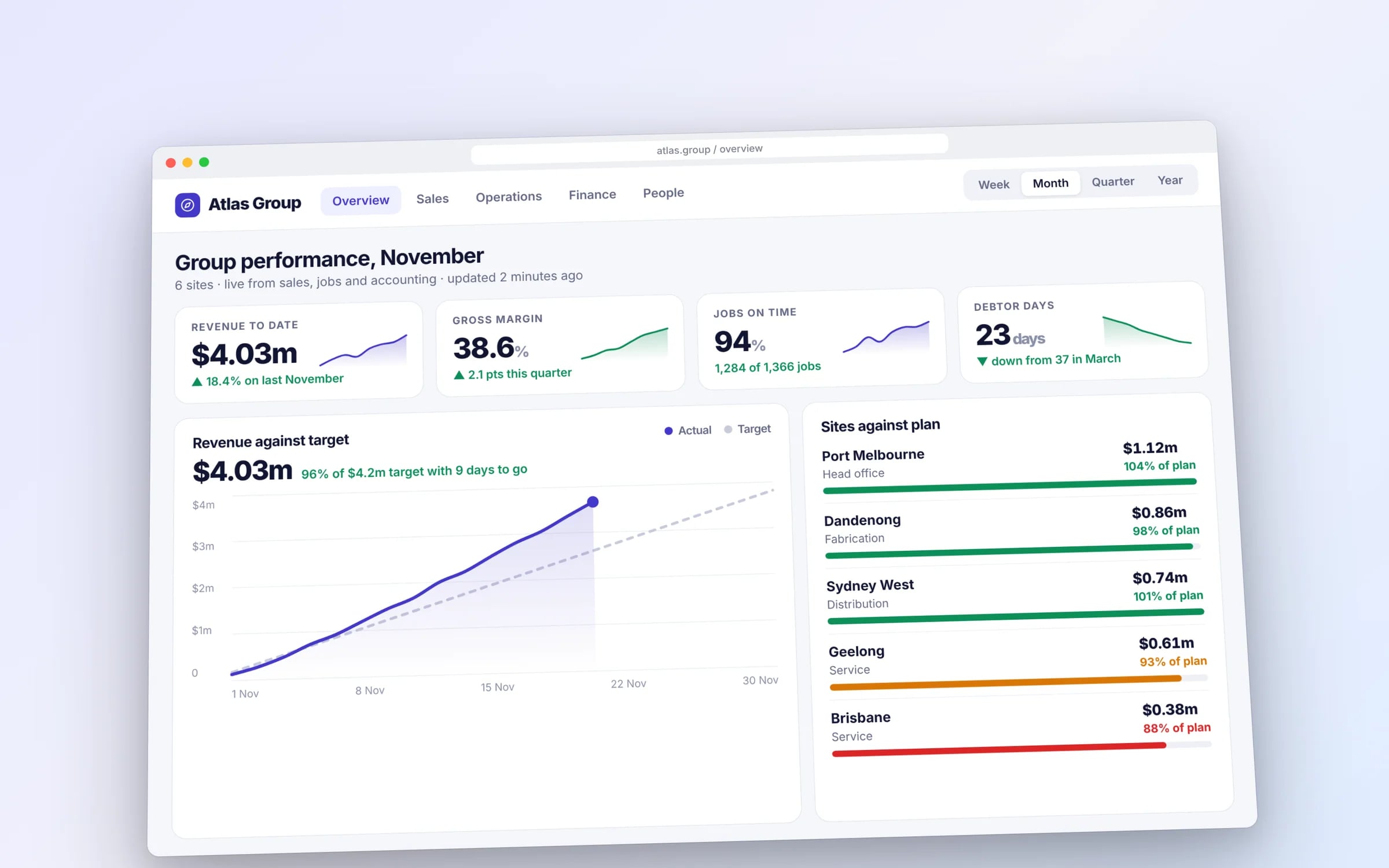
Example screens. The business names on them are invented.
You probably need this when
- 01We pay for five tools and still run the business out of a spreadsheet.
- 02Every vendor says their platform does everything, and we can't tell who's right.
- 03Our old system is held together by one person who's been here for years.
- 04We're about to sign a big software contract and want someone independent to check it.
- 05We want to hire developers but don't know what we'd ask them to build first.
★★★★★
“It has led to more sales because of how professional it is!”
What happens, in order.
1Discovery call
Thirty minutes on how work moves through the business today, from enquiry to invoice.
2Systems audit
Each tool, the data it holds, who uses it, and where staff rekey or reconcile by hand.
3Build or buy, per capability
Each capability marked keep, replace with a product, or build, with the reasoning written down.
4System map
The build order, plus a scope, timeline and fixed price for each stage. Yours to keep either way.
What is IT Consulting?
IT consulting is technical planning done before any build money is spent: a map of the systems you run today, how they connect, what to keep, what to replace and in what order.
It suits owners and operations leads weighing a custom build against another subscription, planning a move off an ageing system, or wanting an independent read on a plan.
Reviewed by the Hypex team, Port Melbourne
Questions owners ask.
Should I build custom software or buy an off the shelf product?
Buy when your process matches how the product already works and the gaps are minor; build when the gaps sit in the work that earns you money, such as how you quote, schedule or price jobs. Most businesses end up with a mix: Xero stays for accounting, payroll stays where it is, and the part where staff rekey data between tools or run side spreadsheets gets built. A useful test is to list every workaround your team runs each week and ask which product removes them. If none does, that capability is a build candidate.
What does a technical architecture assessment include?
A technical architecture assessment is a written map of every system you run, what data each one holds, how they pass information to each other and where that breaks. It covers which system is the source of truth for customers, jobs, stock and invoices, where staff copy data by hand, which integrations are fragile, where hosting sits and who can change what. At Hypex it becomes part of the system map: every part of the system, the build order, and a scope, timeline and fixed price for each stage. You keep the map whether or not you build with us.
How do I know when a legacy system needs replacing?
A legacy system needs replacing when working around it costs more than moving off it, and the signs are practical. Only one person knows how it works. The vendor has stopped releasing updates or support. It cannot connect to your accounting or payroll software, so someone exports and re-imports files. Reports are built in spreadsheets because the system cannot produce them. New sites or staff need workarounds before they can use it. Any two of these together justify a proper assessment before the system fails during a busy period.
Do I need a CTO or can a consultant set technical direction?
Most businesses that do not sell software have no need for a full time CTO; they need a handful of sound decisions on architecture, data ownership and vendors, then a team to carry them out. A consultant suits that well: the decisions are made, written down and costed, and you are not paying a senior executive between projects. A CTO starts to make sense when software is the product you sell, or when you are building an internal engineering team that needs day to day leadership.
How do I compare the real cost of software options over three years?
Add up everything each path costs across the three years: subscriptions as headcount grows, add-ons and extra modules, implementation, integration upkeep, data migration, training and the staff hours spent on workarounds. A custom build puts more cost up front and then carries hosting and maintenance; a subscription spreads cost but usually rises with users and modules. The hours line is where most owners are surprised, so count how long staff spend each week rekeying, reconciling and chasing information between tools before you compare quotes.
Can I get a second opinion on a developer's plan or existing system?
Yes, a second opinion is a common reason to book IT consulting: a developer has proposed an architecture or a quote and you want an independent read before committing. The review checks whether the data model fits how your business works, looks at hosting, access control and integration choices, and says plainly what we would keep, change or question. You get the findings in writing, so you can take them back to the original developer or use them to brief someone else.
What moves the cost and the timeline.
After a 30-minute call you get a system map with a fixed price for each stage, before any work starts. These are the things that shape it.
- Number of systems and integrations in scope for the audit
- Whether an existing codebase needs a code-level review
- How many sites, entities or business units run differently
- How much of the current process is written down versus held in people's heads
Built for businesses like yours
Show us how you run it today.
Thirty minutes with the people who would build it. We'll map where the hours go and tell you honestly whether custom software is worth it for you.