Web Design Services. Visual design for marketing sites and web applications alike.
Visual design for marketing sites and web applications alike, built to a system rather than a one off page.

Why owners choose this.
What it can look like. Screens from systems like this.
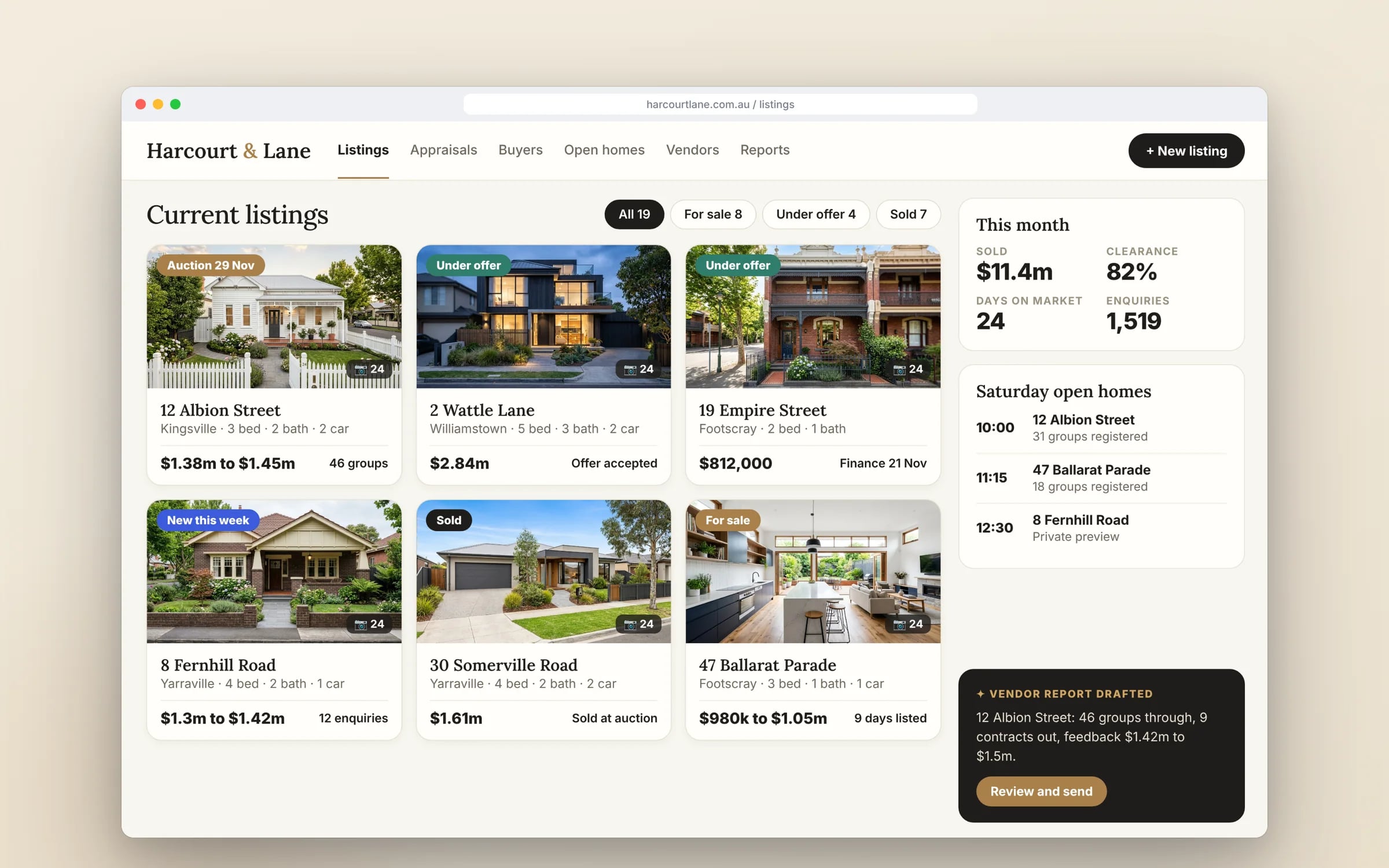
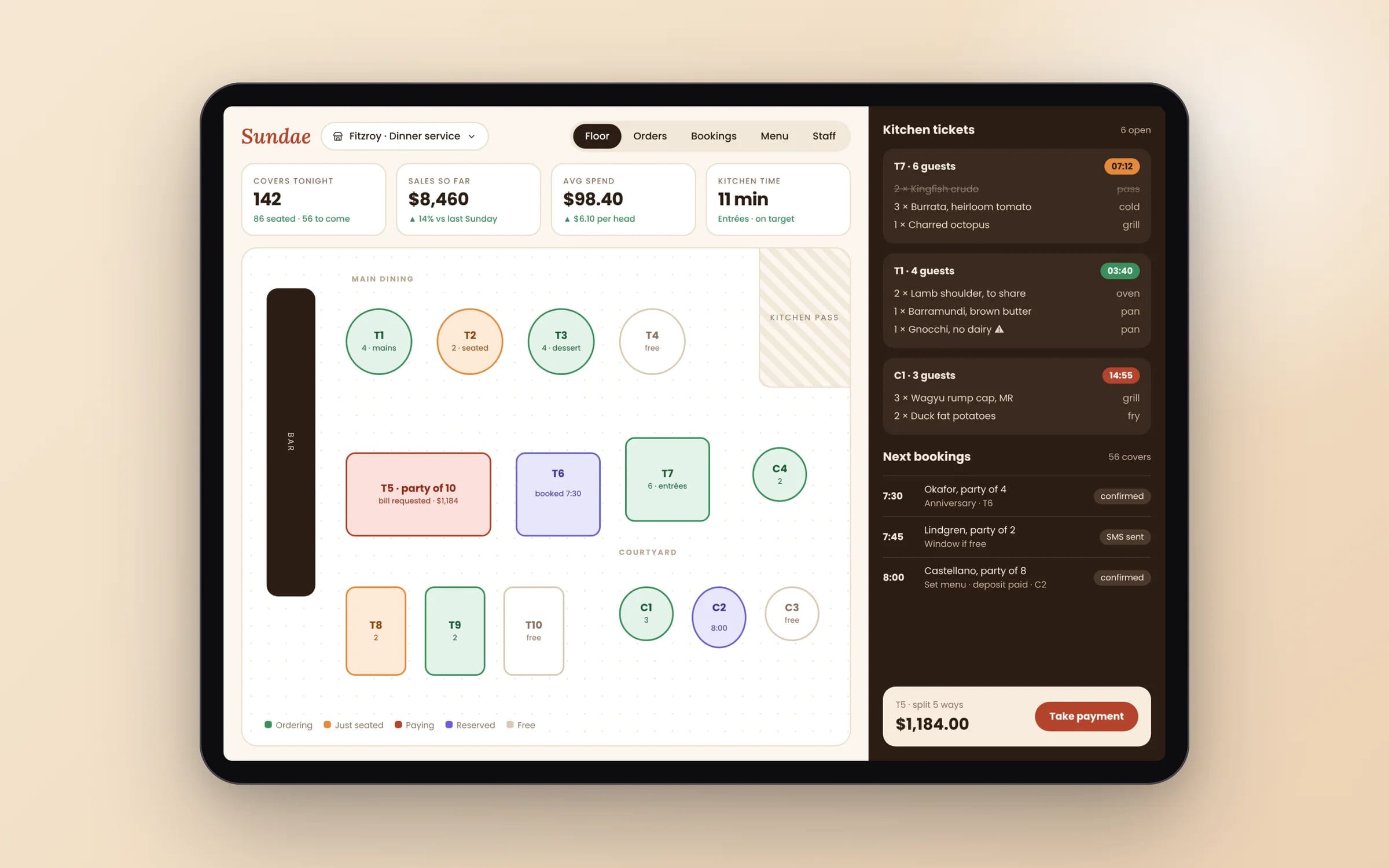
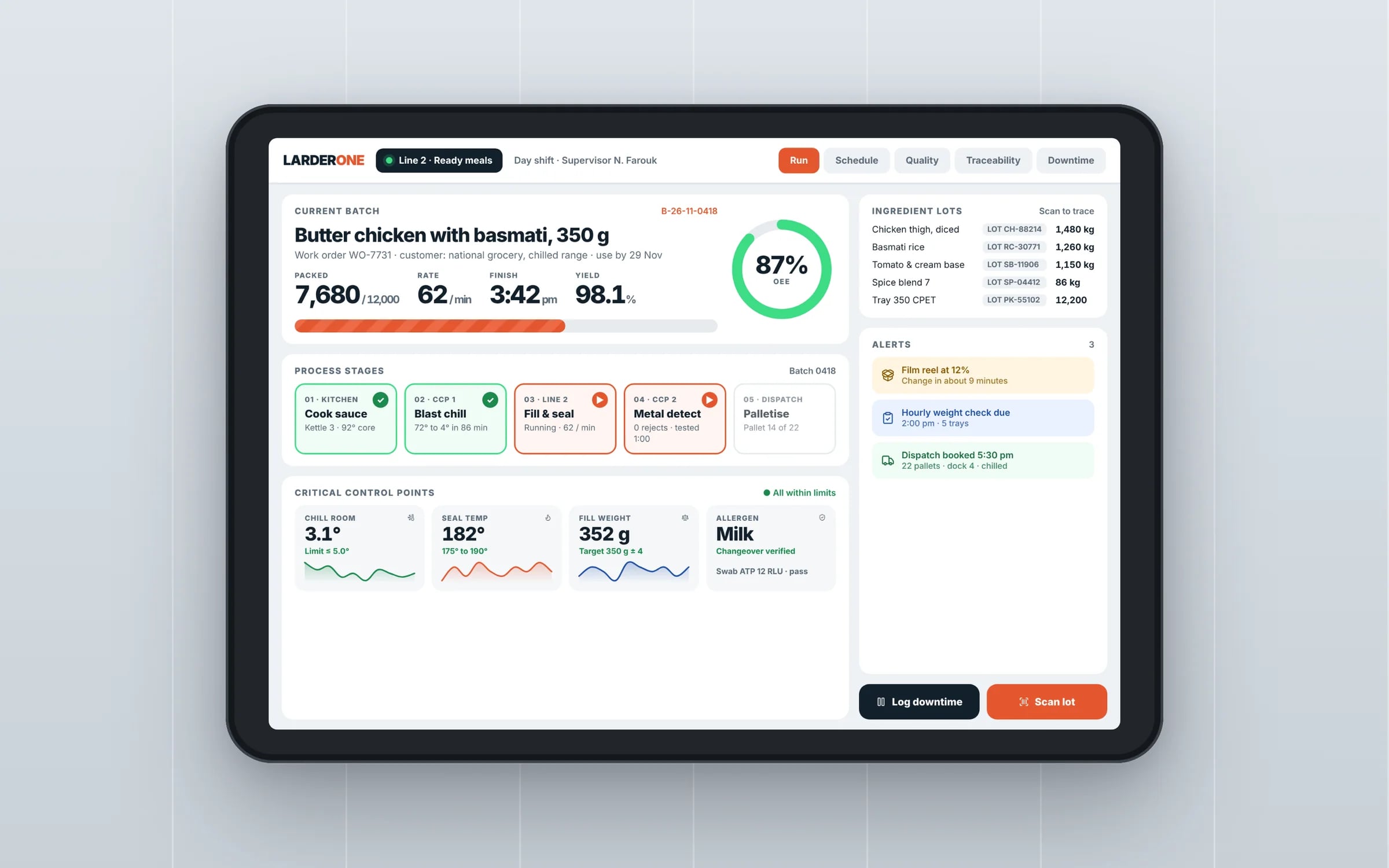
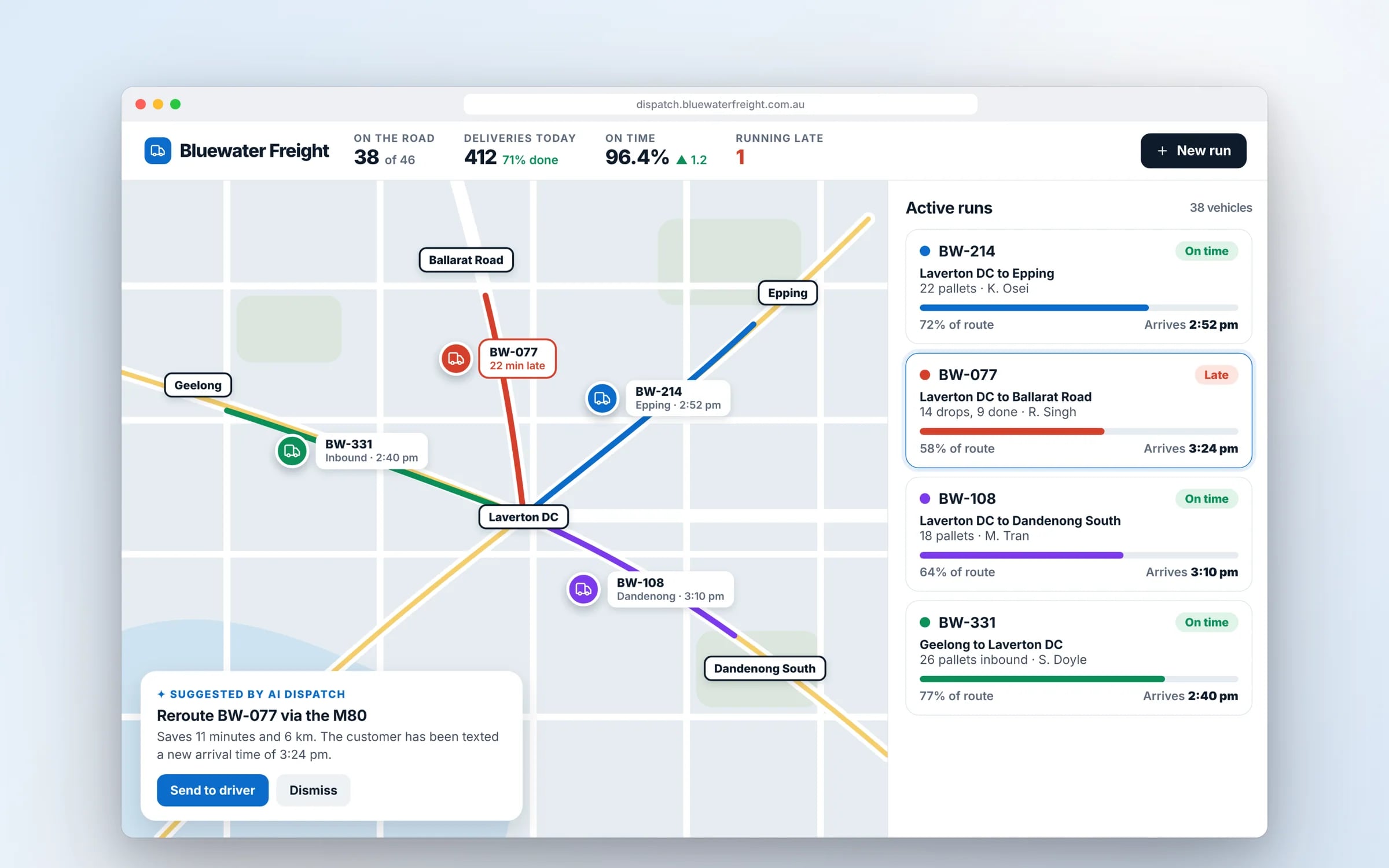
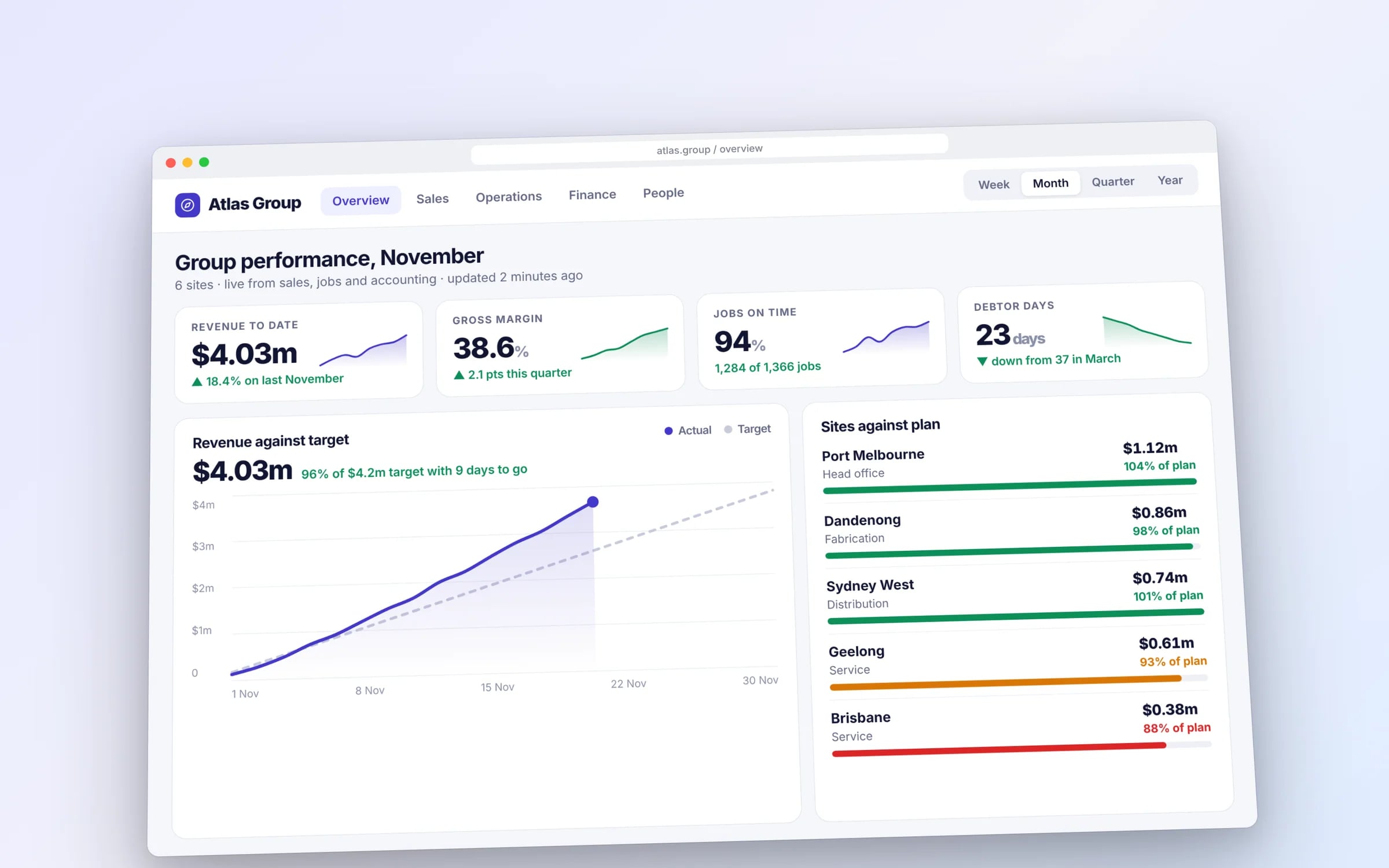
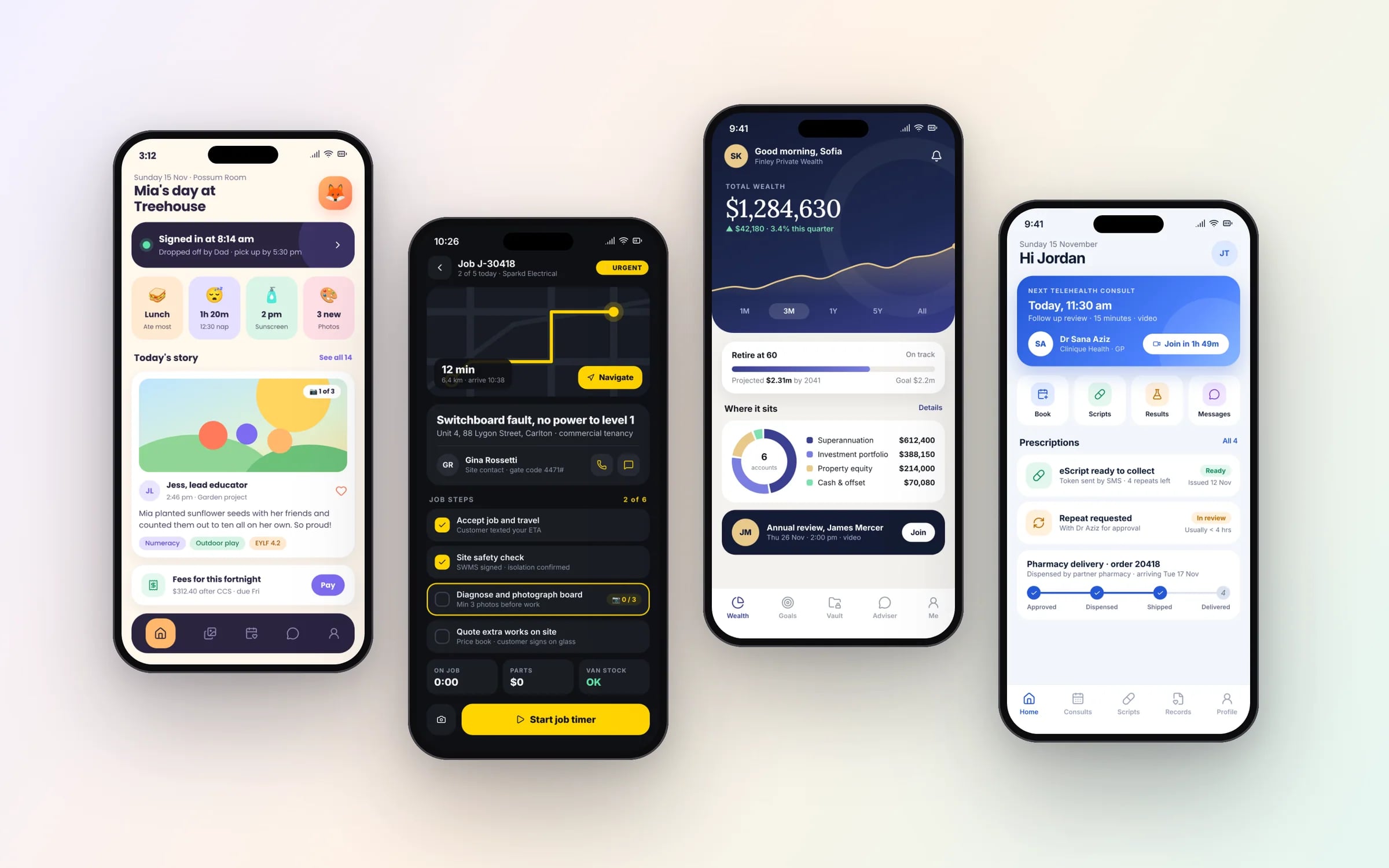
Example screens. The business names on them are invented.
You probably need this when
- 01Our website was built page by page over years and none of it matches.
- 02Most customers find us on their phone, and the site is hard to use on one.
- 03We can't add a new page without paying a developer.
- 04The site doesn't look like the business we are now.
- 05Our customer portal and our website look like two different companies.
Designed to be found. By people and by AI assistants.
Page structure, copy and structured data are designed together, so search engines and AI assistants can read the site and recommend it.
What you walk away with.
- 01Visual design for every core page or screen in scope
- 02A design system every page is built from
- 03Responsive layouts specced for every breakpoint
How it runs, step by step.
- Step 1
Goals for each page
We agree what each key page must get a visitor to do, and who those visitors are.
- Step 2
Structure and wireframes
A sitemap, page structure and wireframes for each core page, with content and calls to action placed.
- Step 3
Design system
Typography, colour, components and content blocks designed once from your brand and tested across breakpoints.
- Step 4
Page designs and handover
Every core page designed at mobile, tablet and desktop, then handed to your developers with specs or built by Hypex.
★★★★★
“It has led to more sales because of how professional it is!”
Clicks to finish one job. Before and after a redesign.
- Today, across three tools38 clicks
- After the redesign, one screen9 clicks
Illustrative: booking, dispatching and invoicing one job.
What is Web Design?
Web design is the visual and structural design of a website or web application: layout, typography, colour, navigation and the components each page is built from, across phone, tablet and desktop.
Hypex designs marketing sites and web apps from one design system so every page stays consistent. It suits businesses launching a site, fixing one that grew page by page, or designing a customer portal.
Reviewed by the Hypex team, Port Melbourne
Questions owners ask.
What is the difference between web design and web development?
Web design decides what a site looks like and how it's structured, and web development builds it in code and connects it to other systems. Design covers layout, typography, colour, navigation and how each page leads a visitor towards an action, delivered as design files. Development turns those files into working pages, connects forms, bookings or payments, and sets up hosting. Some providers do both and some do one. Either way, each page's design should be settled before development on it starts.
What is responsive web design?
Responsive web design means one website adapts its layout to the screen it's viewed on, from a phone to a wide desktop monitor. Instead of separate mobile and desktop sites, layouts reflow at set screen widths called breakpoints: columns stack, navigation collapses into a menu and images resize. Good responsive design plans each breakpoint deliberately, so the phone version suits thumbs and quick reading, which matters because many visitors to a trade or service business arrive on a phone.
How do I know if my website needs a redesign?
Your website needs a redesign when it no longer helps visitors do what you need them to do, such as call, book or request a quote, or when it no longer reflects the business. Practical signs include pages that look inconsistent because they were added over years, a site that's awkward on phones, content your team can't update without a developer, and customers phoning because the online form is hard to find. A UX review can tell you whether a refresh or a full redesign is needed.
Why build a website from a design system instead of individual page designs?
A design system builds every page from the same set of components, so the site stays consistent and new pages are quicker to create. Instead of designing each page as a one-off, we design headers, cards, forms, buttons and content blocks once, with rules for how they combine. Your team can then assemble new pages in a CMS from approved blocks without breaking the look. Changes flow through too: update a button style once and every page follows.
Can my team update the website after it's designed?
Yes, if the site is designed and built for a content management system, your team can update text, images and pages without a developer. The design matters here: when pages are built from flexible blocks, staff can add a new service page or project write-up that still looks right. We design with your editors in mind, so fields have sensible limits and images crop well. Ask for a short guide and a training session at handover.
What makes a website design turn visitors into enquiries?
A website turns visitors into enquiries when every page makes the next step obvious and easy, whether that's calling, booking or sending a form. In practice that means a clear headline saying what you do and for whom, one primary call to action repeated where it's needed, short forms, evidence such as real project photos and examples of work, and fast loading on phones. Measuring enquiries before and after a redesign shows which changes worked.
What moves the cost and the timeline.
After a 30-minute call you get a system map with a fixed price for each stage, before any work starts. These are the things that shape it.
- Number of unique page types
- Whether a brand identity exists or needs developing
- Web application screens in addition to marketing pages
- How flexible the CMS blocks need to be for your editors
- Whether content and photography are ready
Built for businesses like yours
Show us how you run it today.
Thirty minutes with the people who would build it. We'll map where the hours go and tell you honestly whether custom software is worth it for you.