SEO. Organic search built around business outcomes.
Organic search focused on clearly defined goals, qualified traffic and conversions, built on the six core pillars of content, architecture, code, trust, links and user experience.

What you walk away with.
- 01A technical and content audit against your commercial goals
- 02A prioritised roadmap across the six pillars of organic search
- 03Ongoing tracking tied to qualified traffic and conversions
Leads that turn into work. When marketing feeds the system.
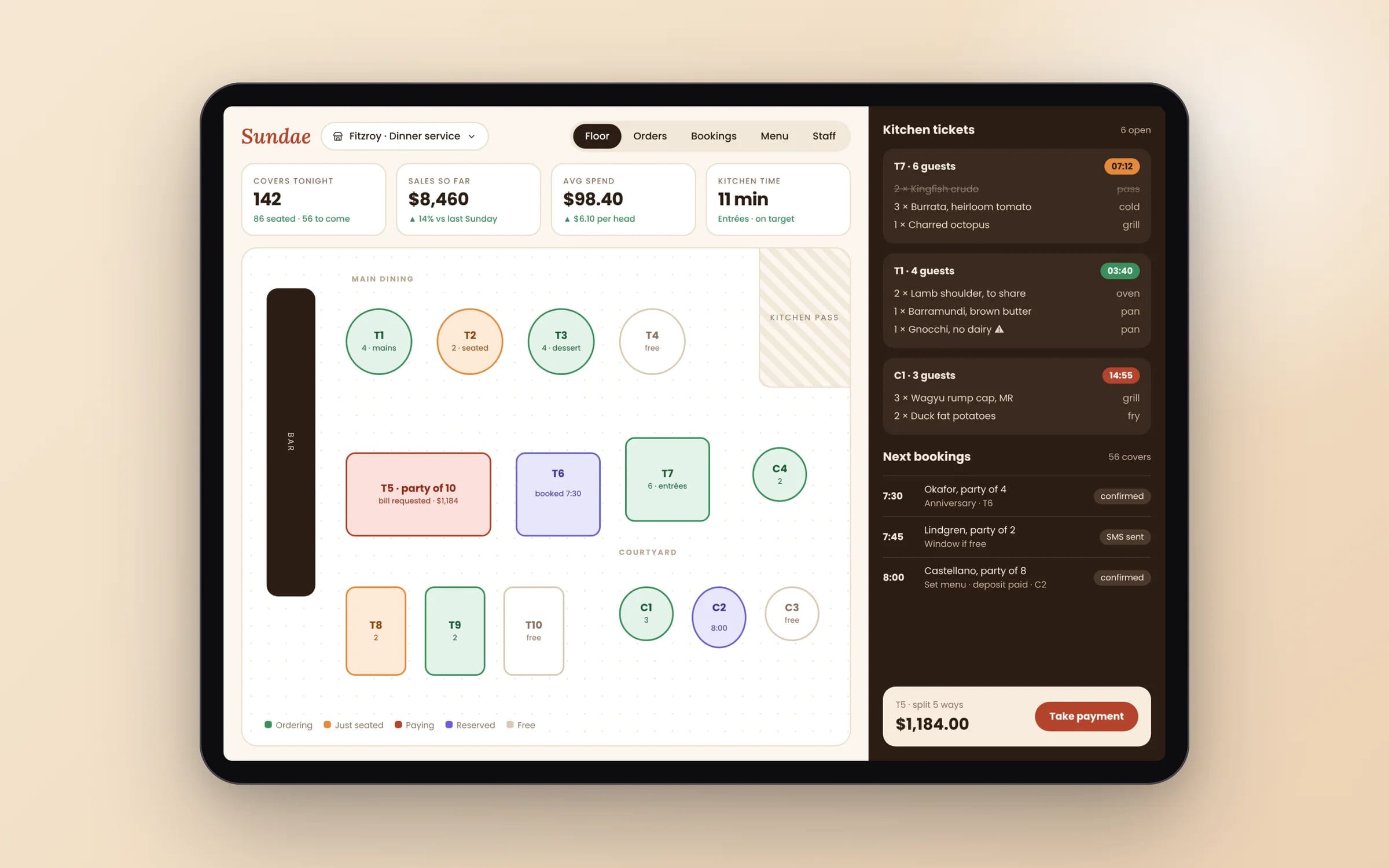
What it can look like. Screens from systems like this.
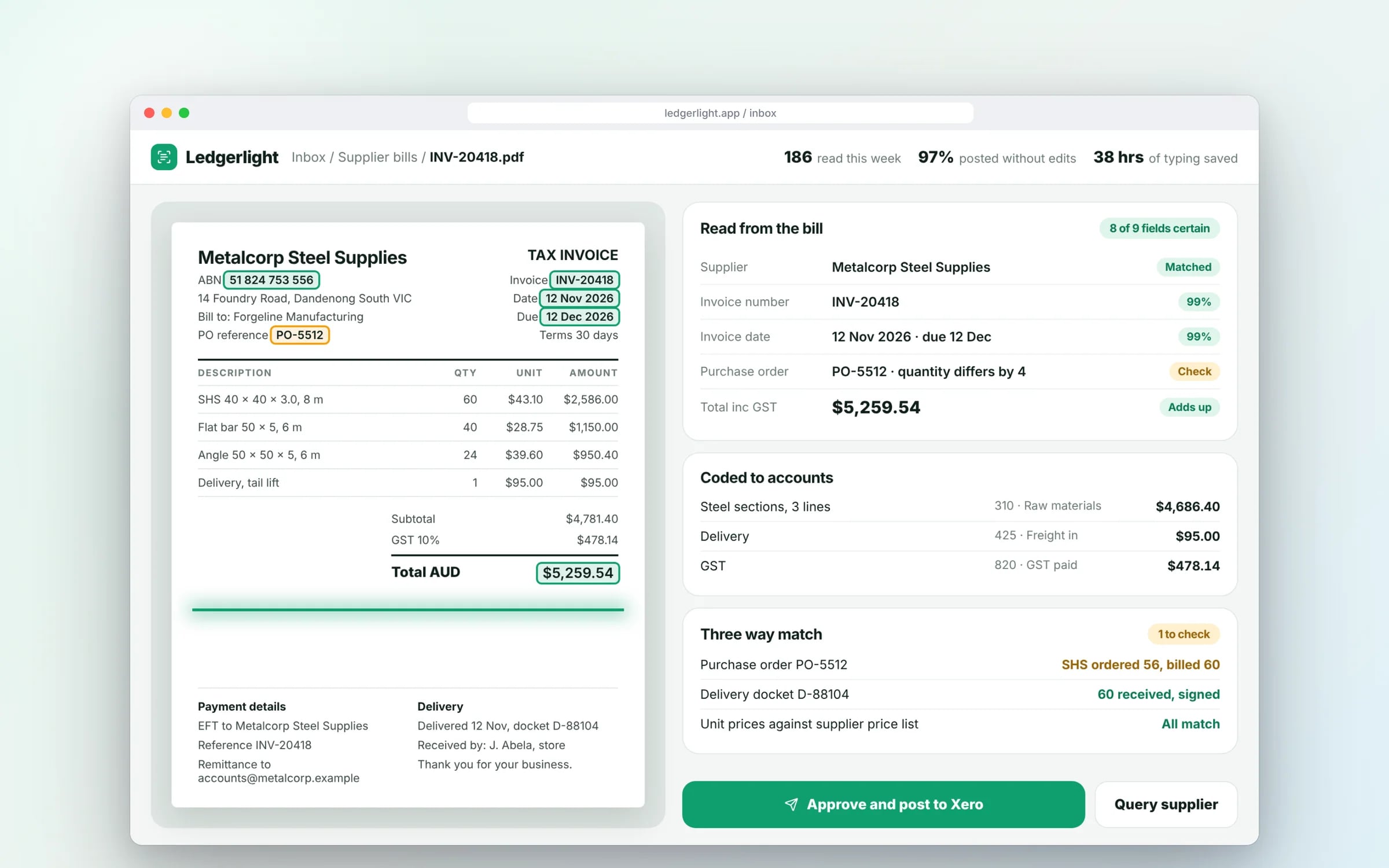
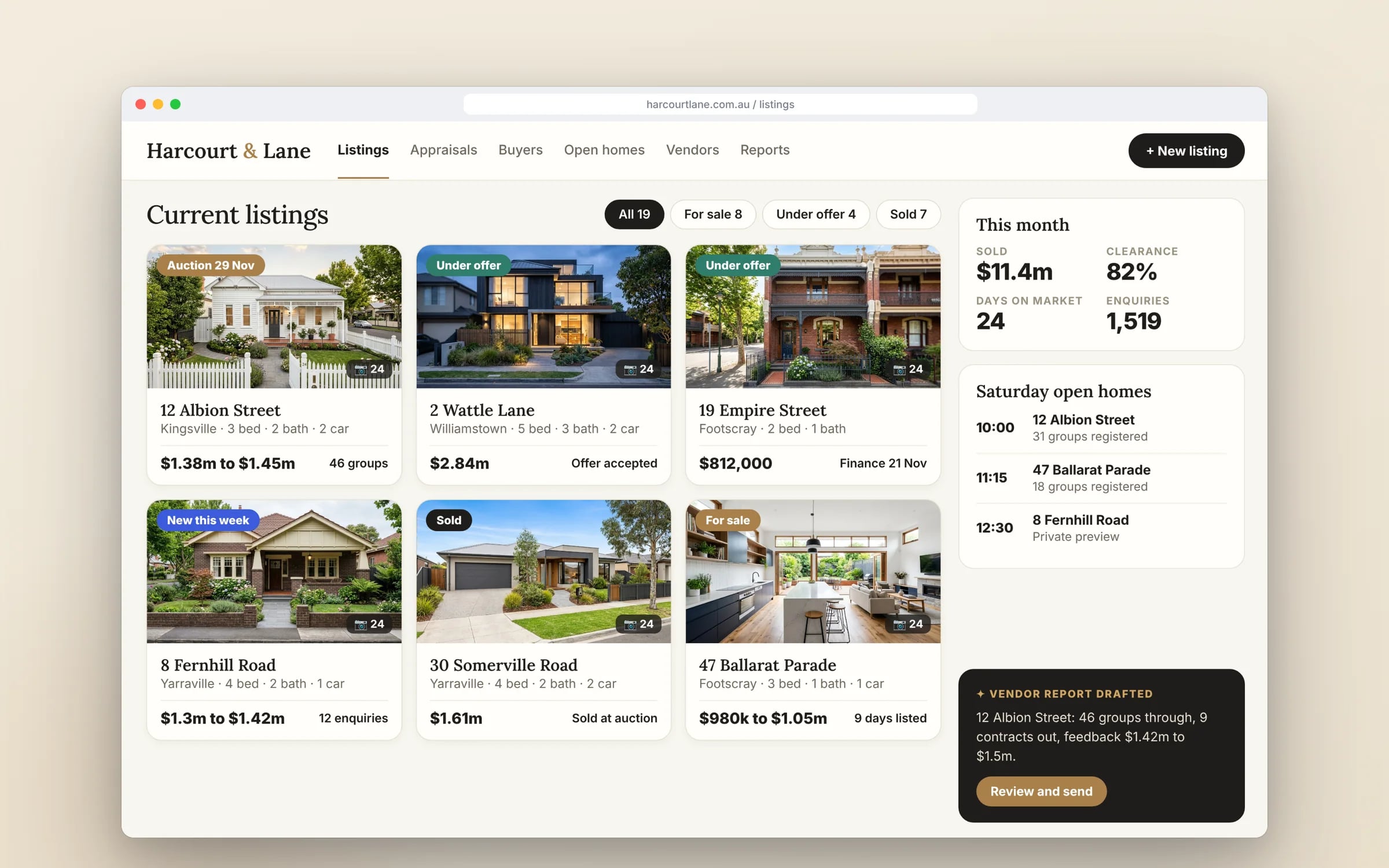
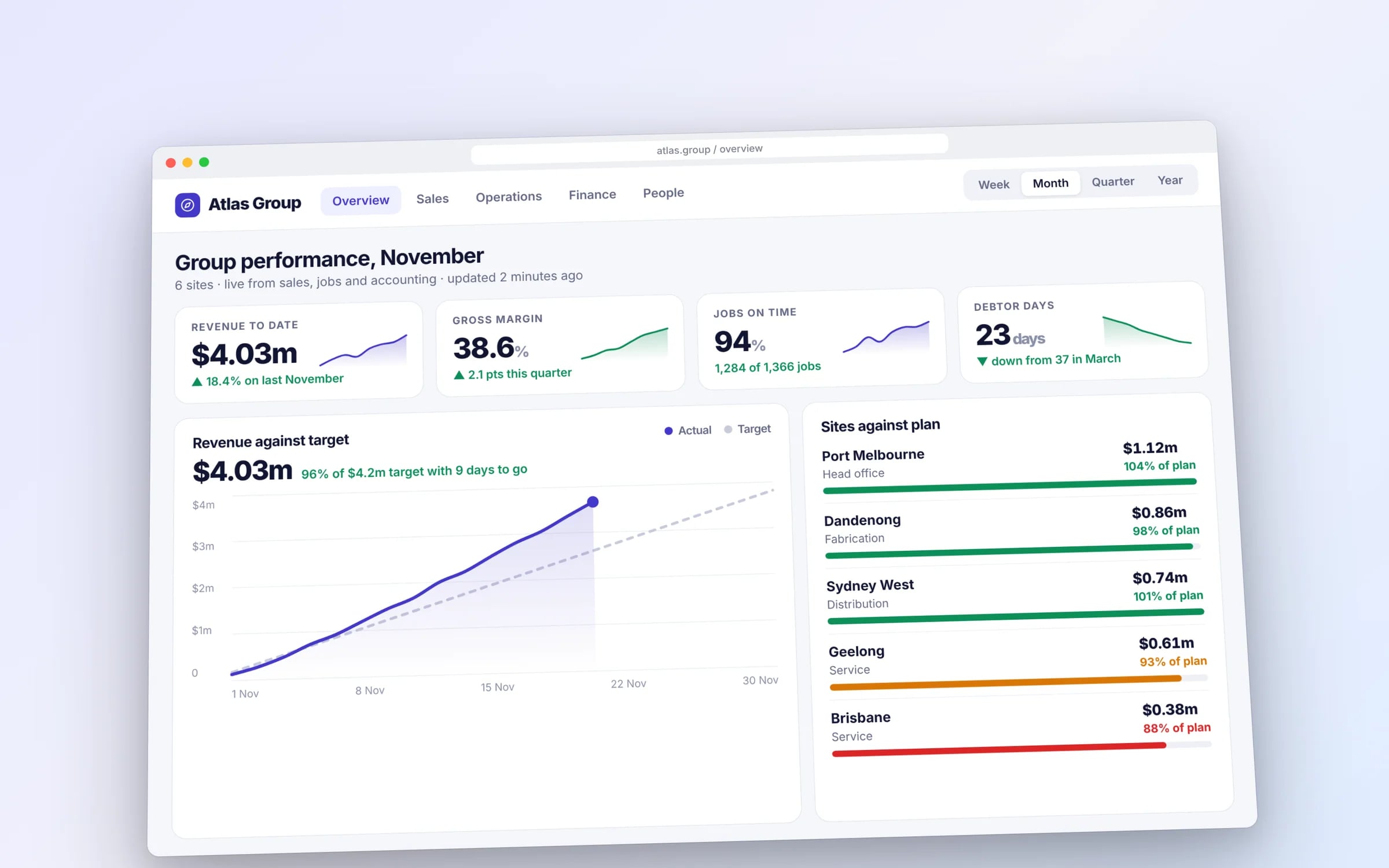
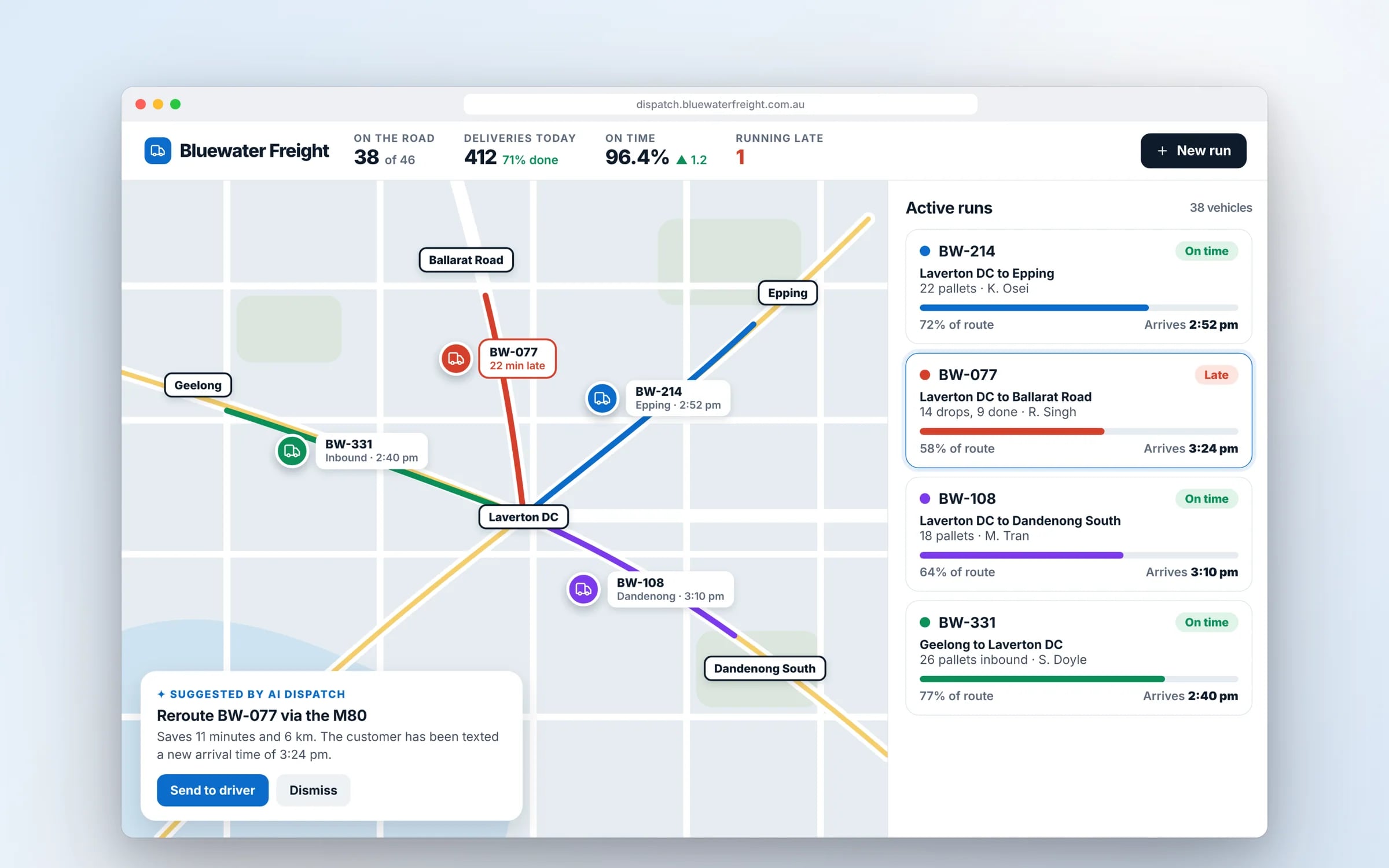

Example screens. The business names on them are invented.
You probably need this when
- 01Competitors show up on Google for your services and you do not.
- 02Your website traffic dropped after a redesign or platform move.
- 03Every new enquiry comes from referrals or paid ads.
- 04Your Google Business Profile has few reviews or outdated details.
- 05You have many locations or products and no plan for their pages.
★★★★★
“One of the BEST companies our business has worked with.”
What happens, in order.
1Audit against commercial goals
We review technical health, content, links and local listings, and map them to the services that bring profitable work.
2Fix the foundations
Crawl errors, speed, redirects, structured data and site structure are fixed first so later work can rank.
3Build content around intent
Service, location and guide pages are written for real searches and linked to the pages that convert.
4Earn authority and track
Genuine links and reviews are pursued, and positions, traffic and enquiries are reported against agreed goals.
What is SEO?
SEO, or search engine optimisation, is the work of making your website appear in Google's unpaid results for the searches your customers use, through technical fixes, useful content, local listings and earned links.
It suits businesses that depend on being found by people already looking for their service, such as an electrician in Geelong or a supplier of commercial kitchen equipment.
Reviewed by the Hypex team, Port Melbourne
Questions owners ask.
How long does SEO take to work?
SEO usually takes months to show meaningful results, because Google needs time to recrawl your changes and your site needs time to earn trust and links. Technical fixes on an established site can show effects sooner, while a new site in a competitive market takes longer. Searches within a defined local service area often move faster than national ones. Nobody can guarantee rankings, and anyone who does should be treated with caution. We report progress through early signs, such as pages indexed and positions for target searches, alongside enquiries.
What is local SEO, and how does Google Business Profile help?
Local SEO is optimising for searches with local intent, such as plumber near me or accountant in Port Melbourne, where Google shows a map of nearby businesses. Your Google Business Profile drives much of that map result: accurate categories, service areas, hours, photos and a steady flow of genuine reviews all help. Your website supports it with service and location pages, a consistent business name, address and phone number, and local content. Businesses with several branches need a separate profile and page for each location.
Will redesigning our website hurt our Google rankings?
A redesign can hurt rankings if page addresses change without redirects, content is removed, or the new site is slower or harder for Google to crawl. The protection is a migration plan: list every page that currently gets traffic or links, map each old address to its new one with a 301 redirect, keep or improve the content on important pages, and check the new site before launch. After launch, watch Google Search Console for errors and ranking changes. Because we build websites as well as run SEO, the migration is planned into the build.
Do we need a blog for SEO?
You need content that answers the questions your customers search for, and a blog is only one way to publish it. For many service businesses, detailed service pages, location pages, project case studies and buying guides do more for SEO than a stream of general blog posts. Write where you have genuine expertise and where people are searching, and link that content to the pages that bring enquiries. A few thorough, useful pages usually do better than many thin ones written to fill a schedule.
What is technical SEO?
Technical SEO is making sure search engines can find, crawl, understand and index your pages, and that the site loads quickly and works well on phones. It covers site structure, internal links, page speed and Core Web Vitals, mobile layout, XML sitemaps, canonical tags, redirects, and structured data describing your business and services. Problems here can hold back even excellent content, for example when important pages are blocked from indexing or buried under duplicate versions. Because we write the code our sites run on, many technical fixes are made at the source.
Should we start with SEO or Google Ads?
Start with Google Ads if you need enquiries quickly or want to test which services and keywords bring profitable work, and invest in SEO for lasting visibility that does not stop when spending stops. Ads can produce traffic as soon as campaigns are approved, while SEO builds over months. Many businesses run both: ads cover the gap and reveal which searches convert, and that data shapes the SEO content plan. If you can only fund one, decide on how urgently you need leads and how competitive the paid auction is in your field.
What moves the cost and the timeline.
After a 30-minute call you get a system map with a fixed price for each stage, before any work starts. These are the things that shape it.
- The size of the site and the number of locations or products
- How competitive your market and search terms are
- Technical problems in the current website or platform
- How much new content needs to be written
Built for businesses like yours
Show us how you run it today.
Thirty minutes with the people who would build it. We'll map where the hours go and tell you honestly whether custom software is worth it for you.