AEO. Answer engine optimisation that makes your brand the source AI cites.
We make your expertise easy for answer engines to understand, trust and cite, combining entity strategy, answer-ready content, structured data and earned authority so your brand appears when buyers ask complex questions.

What it can look like. Screens from systems like this.
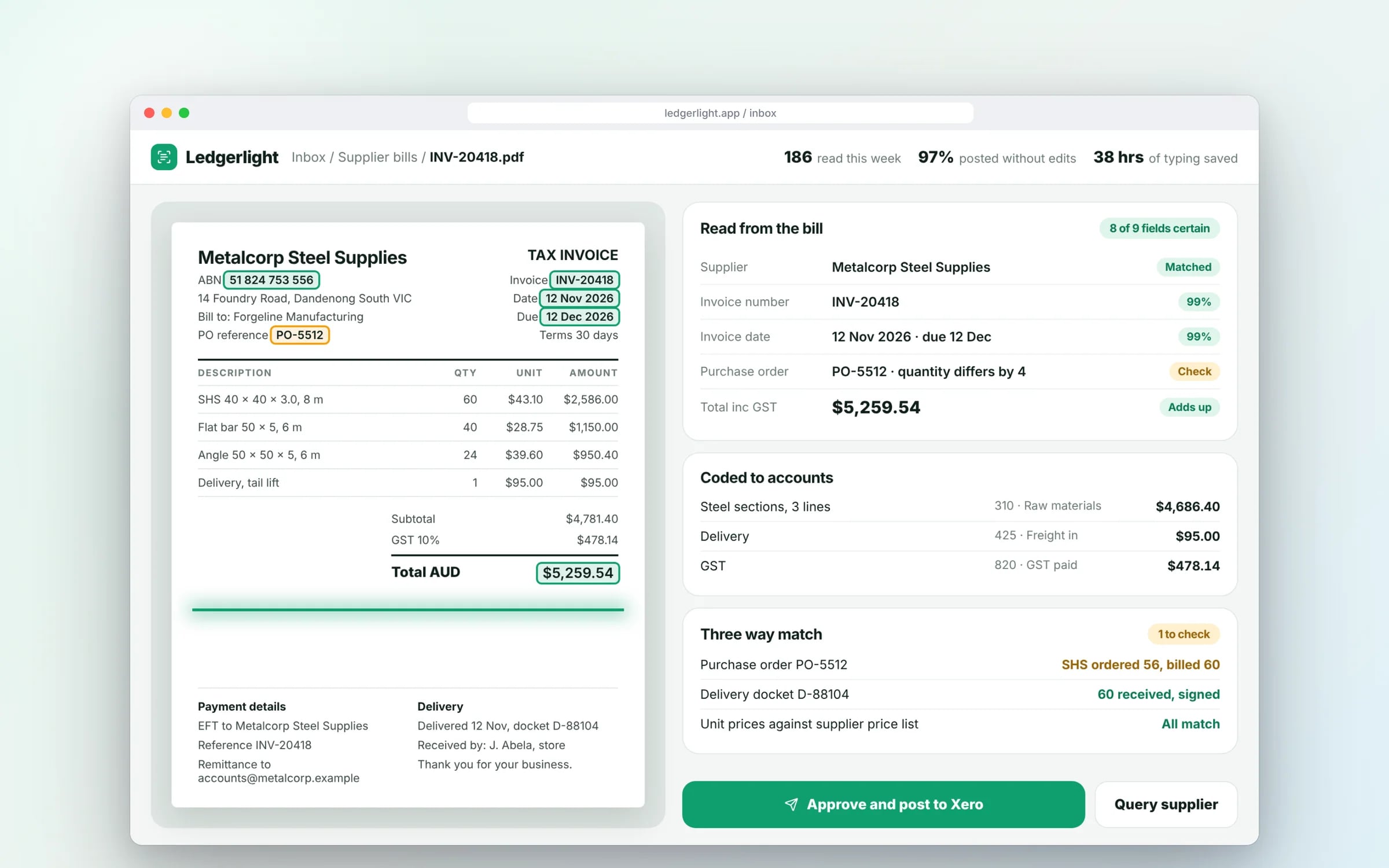
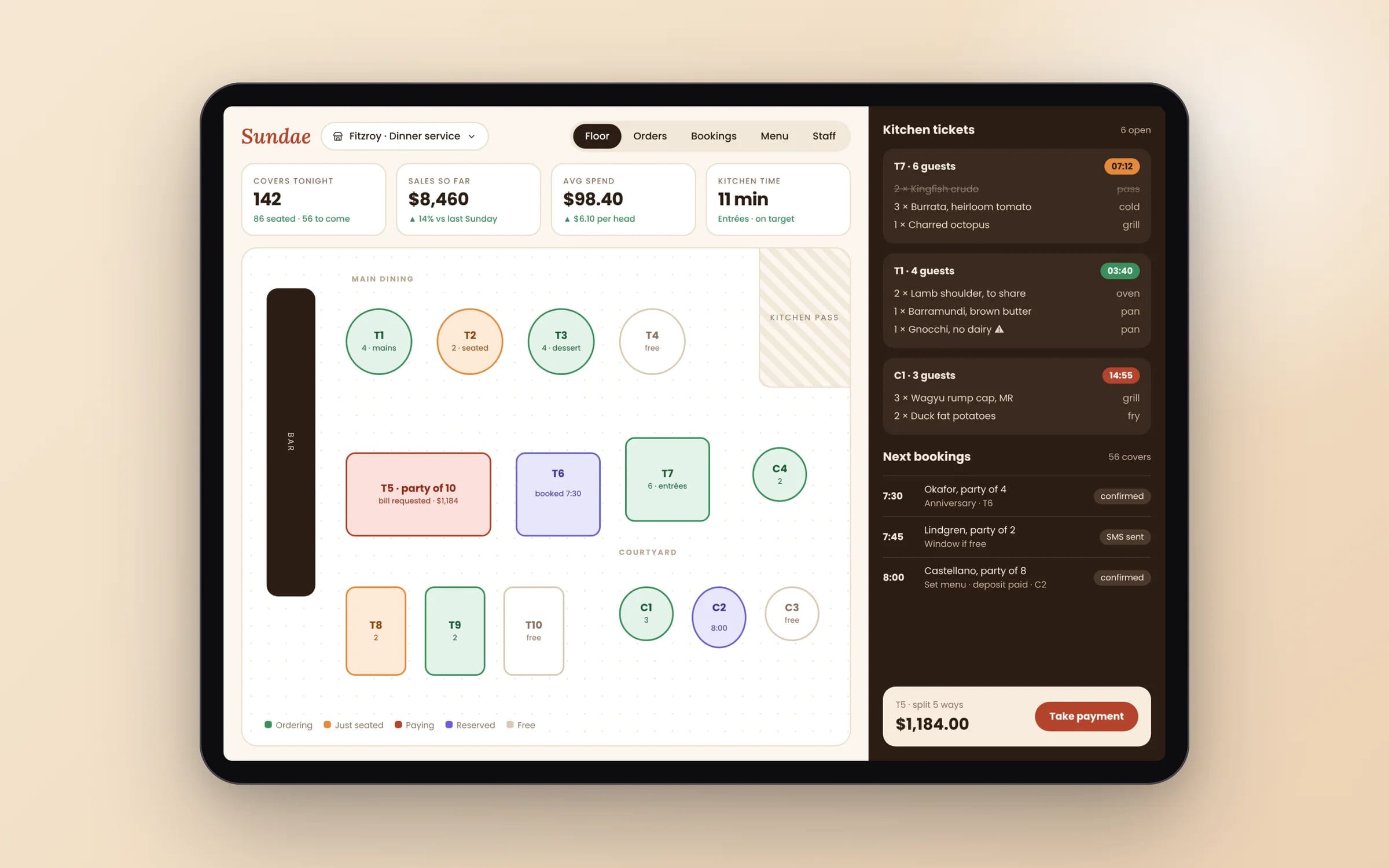
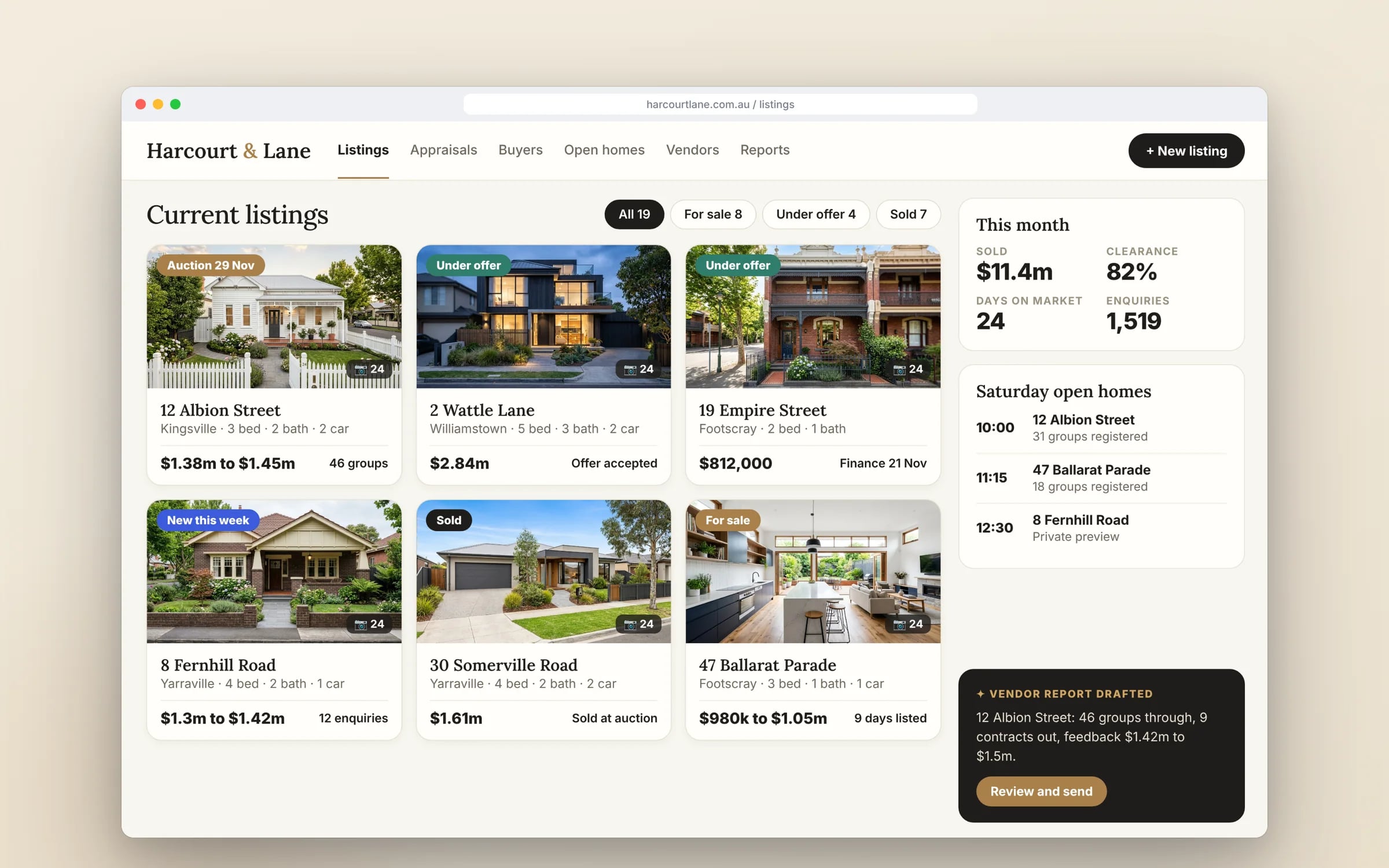
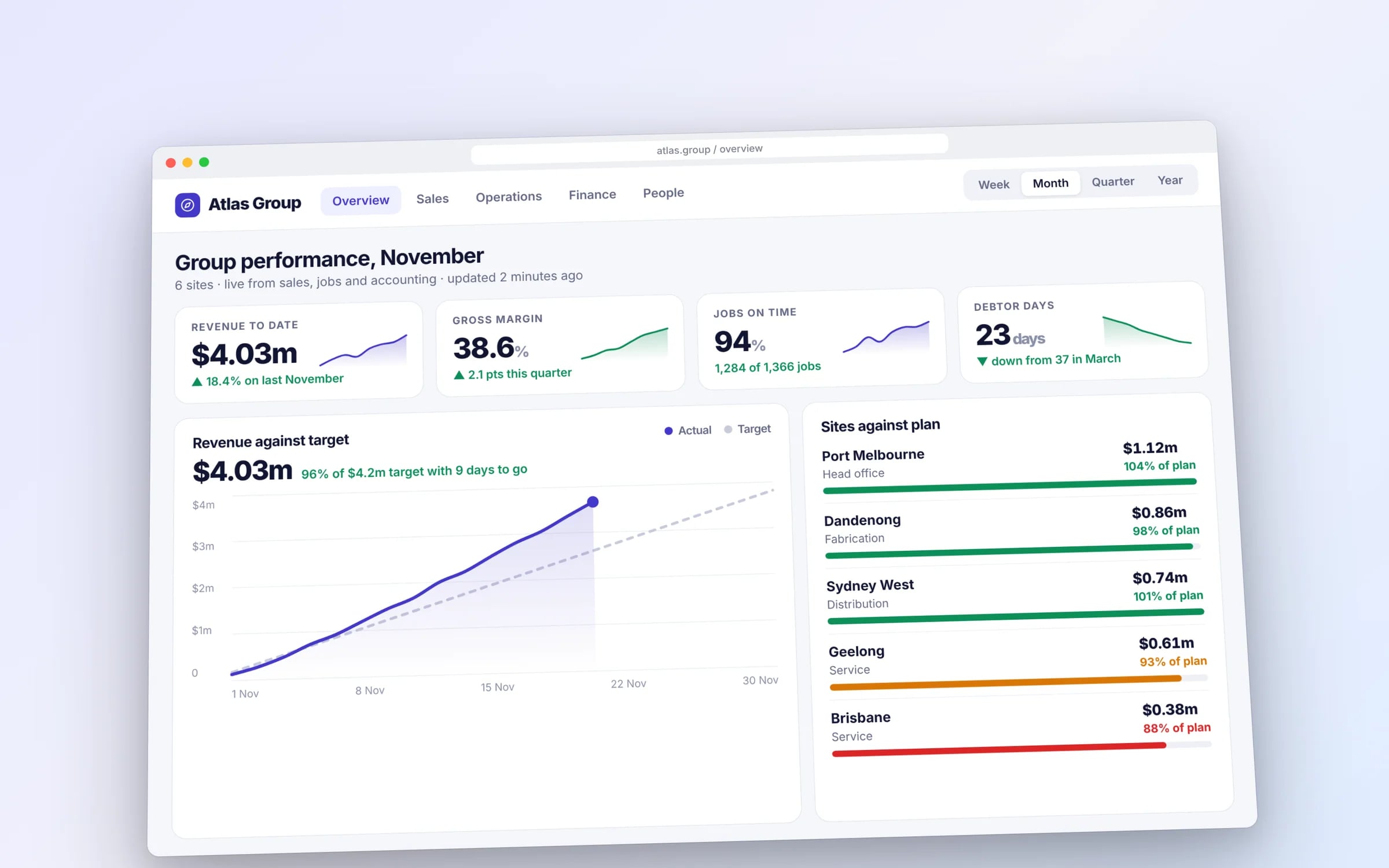
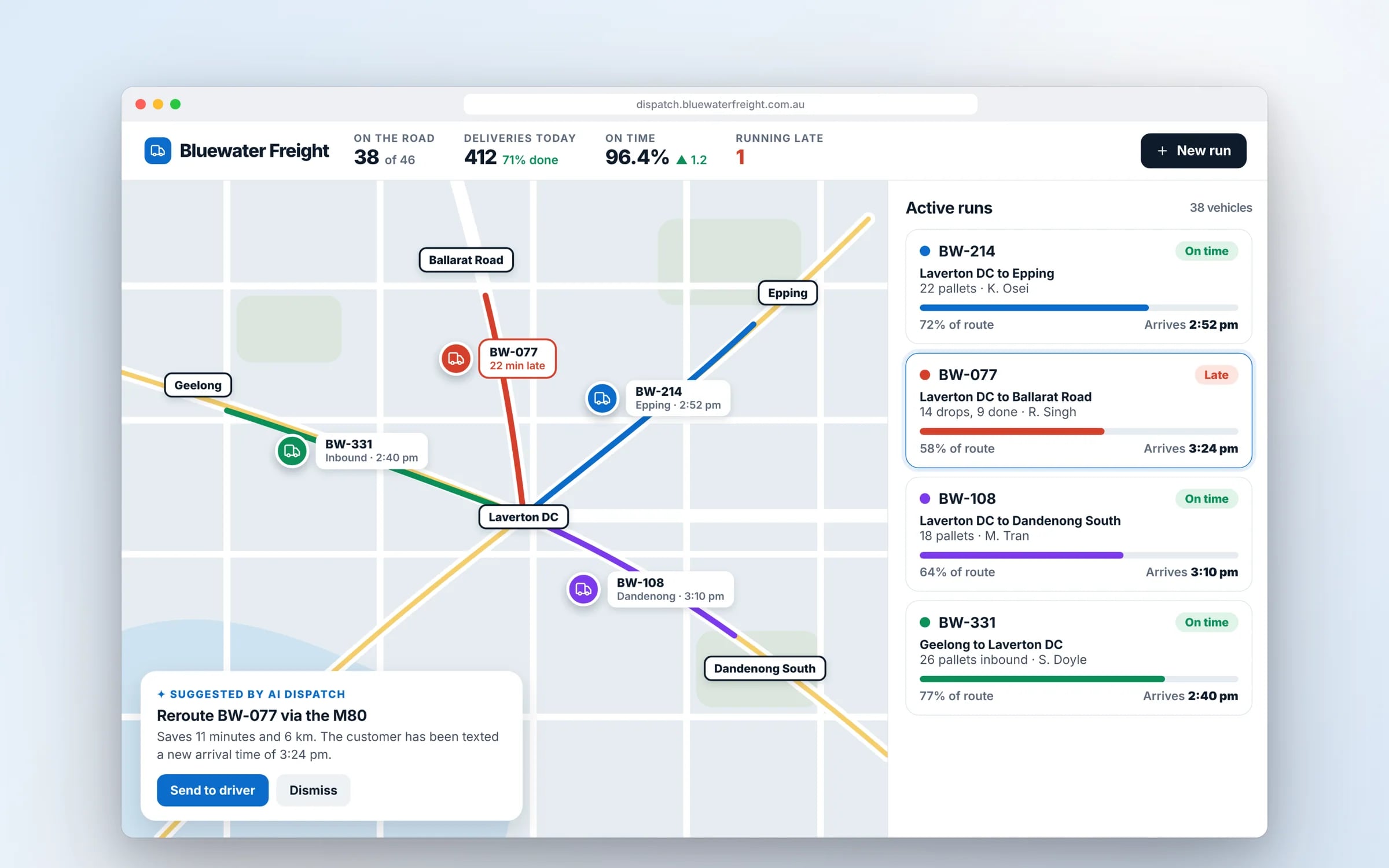
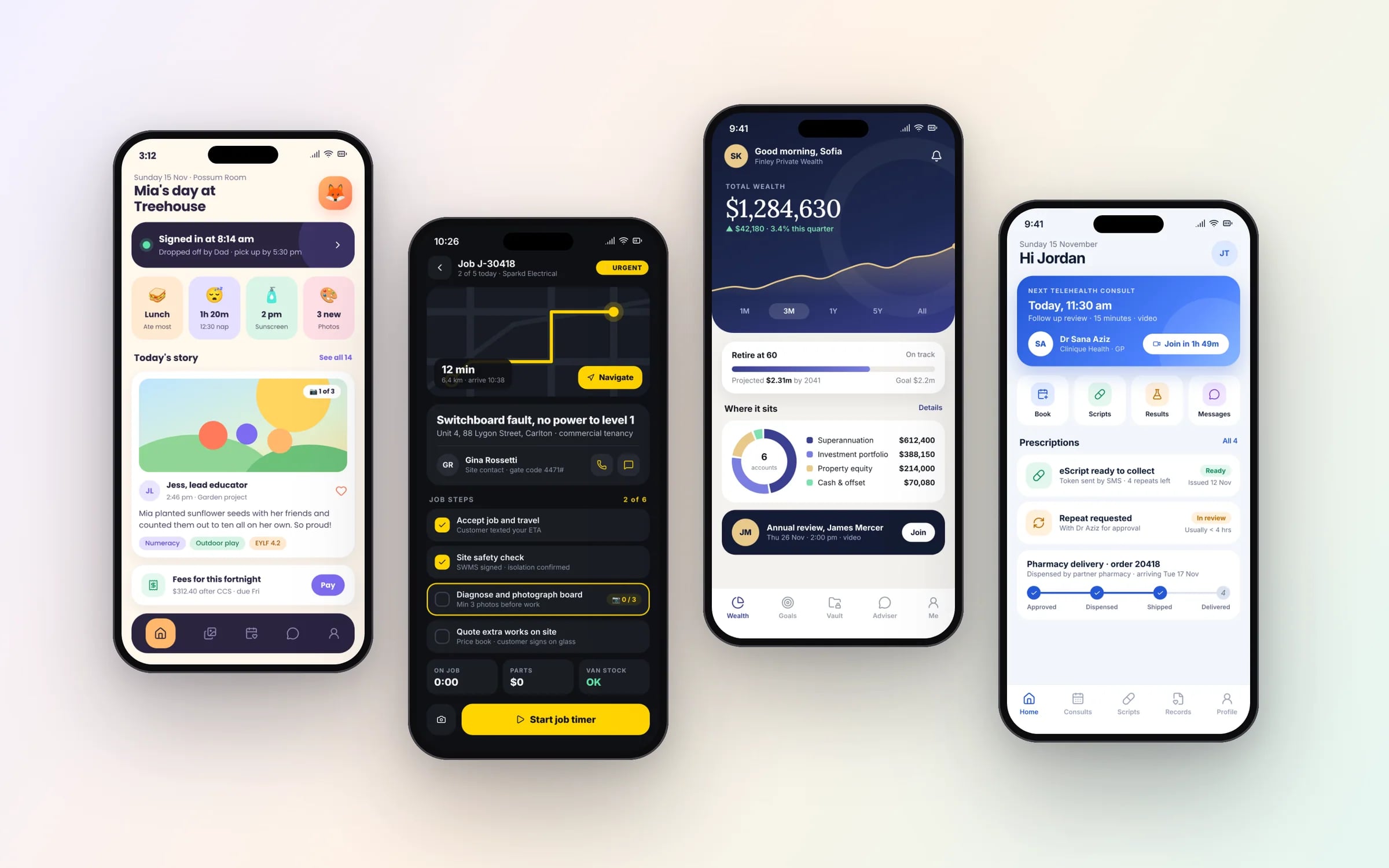
Example screens. The business names on them are invented.
You probably need this when
- 01Buyers tell you they asked ChatGPT for recommendations before calling.
- 02AI tools describe your business wrongly, or name competitors instead.
- 03Your expertise lives in staff heads and proposals and is missing from your website.
- 04Organic clicks are flattening even though rankings look stable.
Asked and answered. Found by people and by AI.
When a customer asks an AI assistant who to call, it answers from what you have published: your pages, your reviews and the structured data underneath. We build all three to be read.
How we'd build it.
- Step 1
Answer visibility audit
We test the questions that shape buying decisions in your category across the main answer engines and record who gets cited.
- Step 2
Clean up your business profile
Your name, services, people and locations are made consistent across your site, profiles and directories, with structured data to match.
- Step 3
Write answer-ready content
Expert-led pages are written around real questions, each with a direct first sentence and supporting evidence.
- Step 4
Earn independent evidence and retest
We pursue mentions in industry publications, associations and genuine reviews, then retest citations on a set schedule.
★★★★★
“Great team to work with, really strive for success and provide excellent communication with any service provided.”
How we do it.
- 01Entity strategyA clear machine-readable model of who you are, what you do and the topics your brand has the right to answer.
- 02Answer-ready contentExpert-led content structured around real questions, direct answers and evidence rather than keyword repetition.
- 03Structured dataSchema, connected entities and technical foundations that help machines retrieve the right facts with confidence.
- 04Citation authorityIndependent evidence, research and earned mentions that make your claims credible enough to reference.
Leads that turn into work. When marketing feeds the system.
What is AEO?
AEO, or answer engine optimisation, is the practice of making your business the source that AI assistants quote when people ask questions, in tools such as ChatGPT, Perplexity, Google AI Overviews and Microsoft Copilot.
It suits businesses selling considered purchases, where buyers research by asking detailed questions before they visit a website or pick up the phone.
Reviewed by the Hypex team, Port Melbourne
Questions owners ask.
What is AEO, or answer engine optimisation?
AEO is structuring your expertise so that AI answer engines can find it, understand it and cite it when someone asks a question you can answer. Answer engines include ChatGPT with search, Perplexity, Google's AI Overviews and Microsoft Copilot. They read web pages, then write a single answer, often naming a few sources. AEO work makes sure your pages give clear, direct answers, your business is described consistently across the web, structured data identifies who you are, and independent sources back up your claims.
How is AEO different from SEO?
SEO aims to rank your pages in a list of search results, while AEO aims to have your business quoted or recommended inside an AI-written answer. They share foundations: crawlable pages, useful content and authority. The differences are in emphasis. AEO favours pages that answer a specific question in their opening sentence, consistent facts about your business across many sites, and evidence an AI can check, such as named authors, qualifications and third-party mentions. Good SEO helps AEO, because answer engines often draw on pages that already rank well.
How do I get my business mentioned by ChatGPT?
ChatGPT is more likely to mention your business when it finds clear, consistent and independently confirmed information about what you do, on your own site and elsewhere on the web. Publish pages that answer buyers' real questions directly, keep your business name, services and location identical across your website, Google Business Profile and directories, and earn mentions in industry publications, associations and genuine reviews. Check that your robots.txt file does not block AI search crawlers if you want to be cited. No one controls what an AI says, so this work improves the odds.
Can we measure whether AI assistants are citing us?
Yes, partly, by testing a defined set of buyer questions across the main answer engines on a regular schedule and recording whether your business is named, linked or described accurately. Analytics can also show visits referred from tools such as ChatGPT and Perplexity, which often pass a referrer. Measurement is less precise than in traditional search, because answers vary by user, wording and time, and most AI tools offer no full equivalent of Google Search Console. We track trends across many questions instead of reading too much into any single answer.
Does structured data help with AI answers?
Structured data helps by stating facts about your business in a format machines read reliably, such as your organisation name, address, services, authors and products, using the Schema.org vocabulary. It reduces the chance that an answer engine confuses you with a similarly named business or gets your details wrong. It is not a shortcut on its own: markup only works when it matches the visible content of the page and the facts published elsewhere. We treat it as one part of a consistent profile of your business, alongside clear page content and independent mentions.
Is SEO dead now that people use AI to search?
SEO is still very much alive, because answer engines rely on crawling and ranking web pages to find their sources, and many people still click through traditional results. What has changed is that some questions are now answered on the results page or in a chat, so fewer people click for simple facts. That shifts value toward content that answers complex questions with real expertise, and toward being the named source. The sensible response is to keep strong SEO foundations and add AEO practices on top, instead of choosing between them.
SEO vs AEO.
- Goal
SEORank pages in search results so people click through
AEOBe quoted, cited or recommended inside an AI-written answer
- Where it shows
SEOGoogle and Bing results pages, including maps
AEOChatGPT, Perplexity, Google AI Overviews and Microsoft Copilot
- Content style
SEOPages built around search terms and the intent behind them
AEOPages that answer a specific question in the first sentence, with evidence
- Authority signals
SEOLinks, relevance and page experience
AEOConsistent facts about your business across the web, named experts and independent mentions
- Measurement
SEORankings, clicks and conversions in Search Console and analytics
AEOCitation tests across a set of questions, plus referral visits from AI tools
What moves the cost and the timeline.
After a 30-minute call you get a system map with a fixed price for each stage, before any work starts. These are the things that shape it.
- The number of topics and questions you want to be cited for
- How much expert input is needed to write credible answers
- The state of your existing site, structured data and business listings
- The effort needed to earn independent mentions in your industry
Built for businesses like yours
Show us how you run it today.
Thirty minutes with the people who would build it. We'll map where the hours go and tell you honestly whether custom software is worth it for you.