Corporate Websites. Brand led marketing sites built to convert and to rank.
Marketing sites designed to convert visitors and rank in search, built on infrastructure fast enough that neither goal comes at the other's expense.

In numbers.
How it runs, step by step.
- Step 1
Content and structure
Pages planned around what customers search for and the enquiries you want more of.
- Step 2
Design to your brand
A template for each page type, designed from your brand and tested on phones first.
- Step 3
Build with technical SEO
Fast pages, structured data, sitemaps and redirects handled from the first commit.
- Step 4
CMS setup and training
Content types configured so your team can publish and edit without a developer.
- Step 5
Launch and monitor
Redirects checked, Search Console watched, and issues fixed in the weeks after launch.
What it can look like. Screens from systems like this.
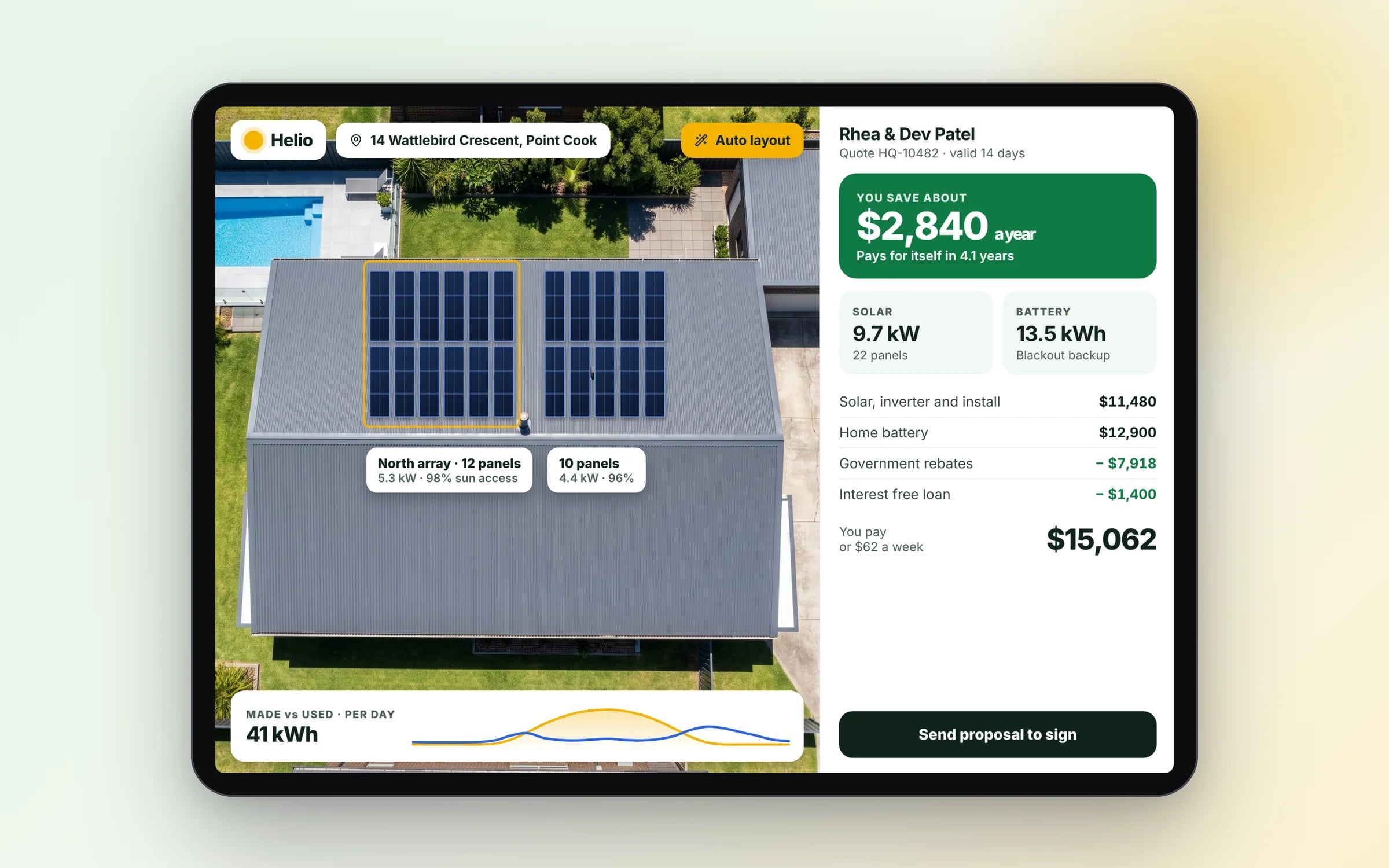
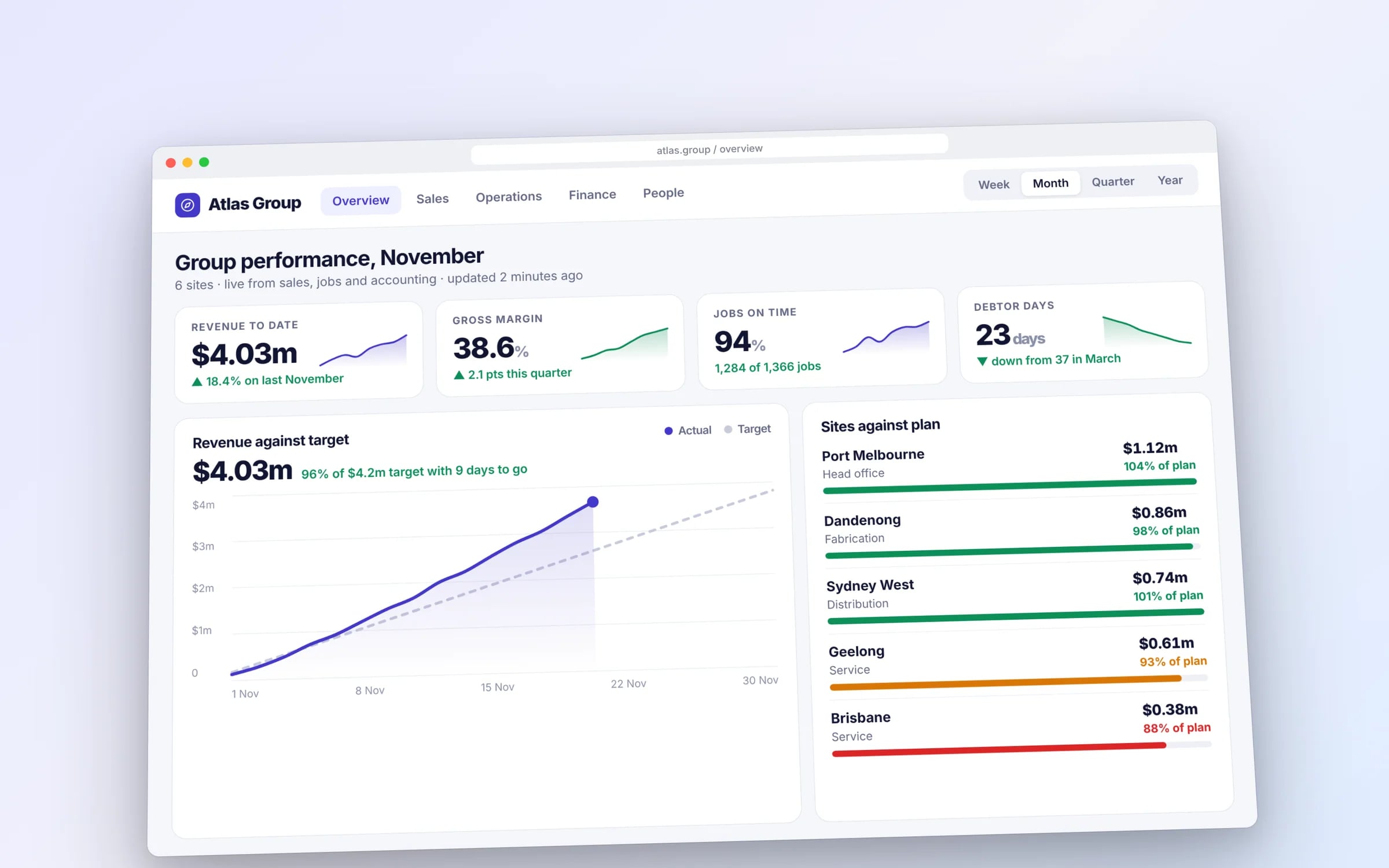
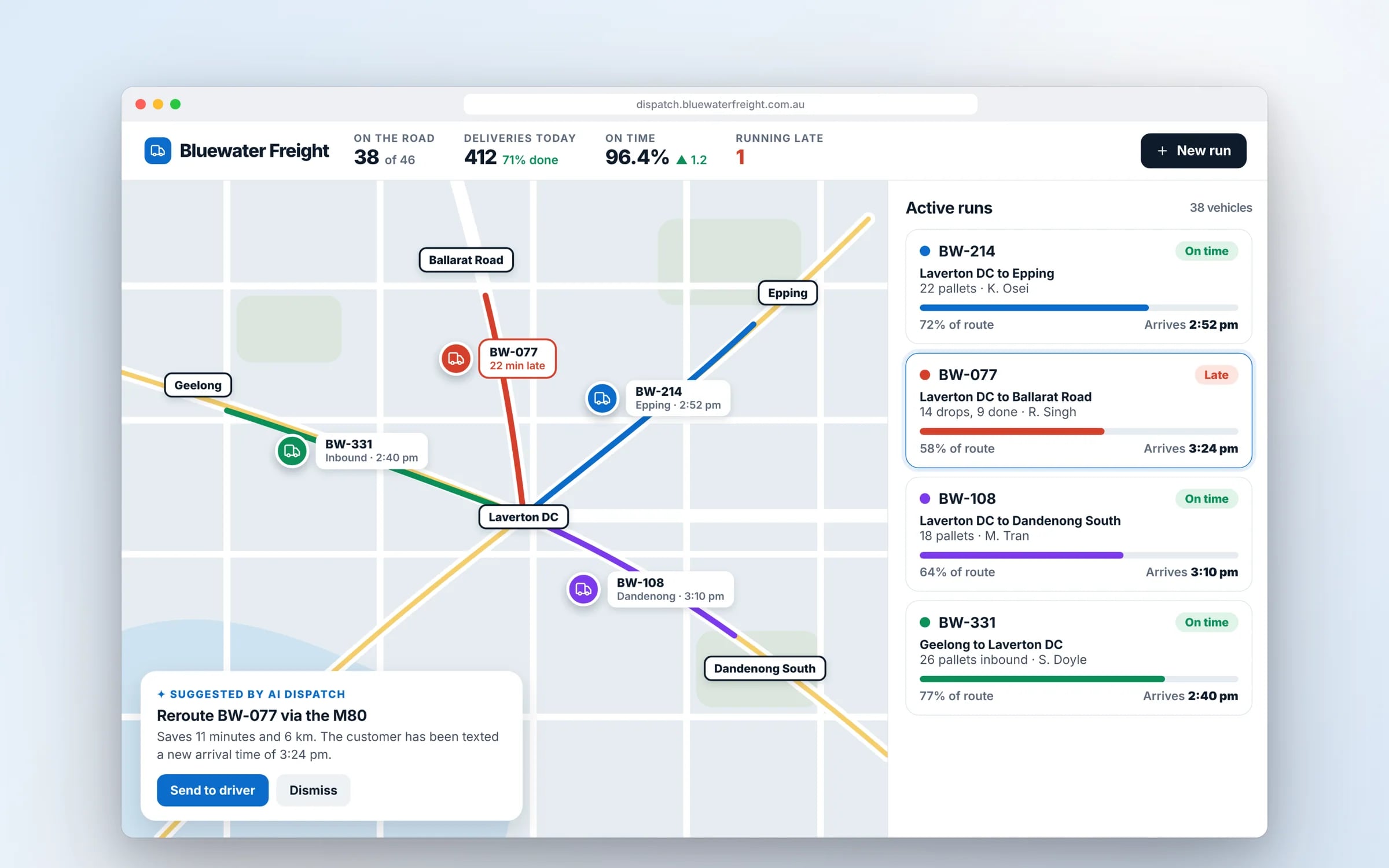
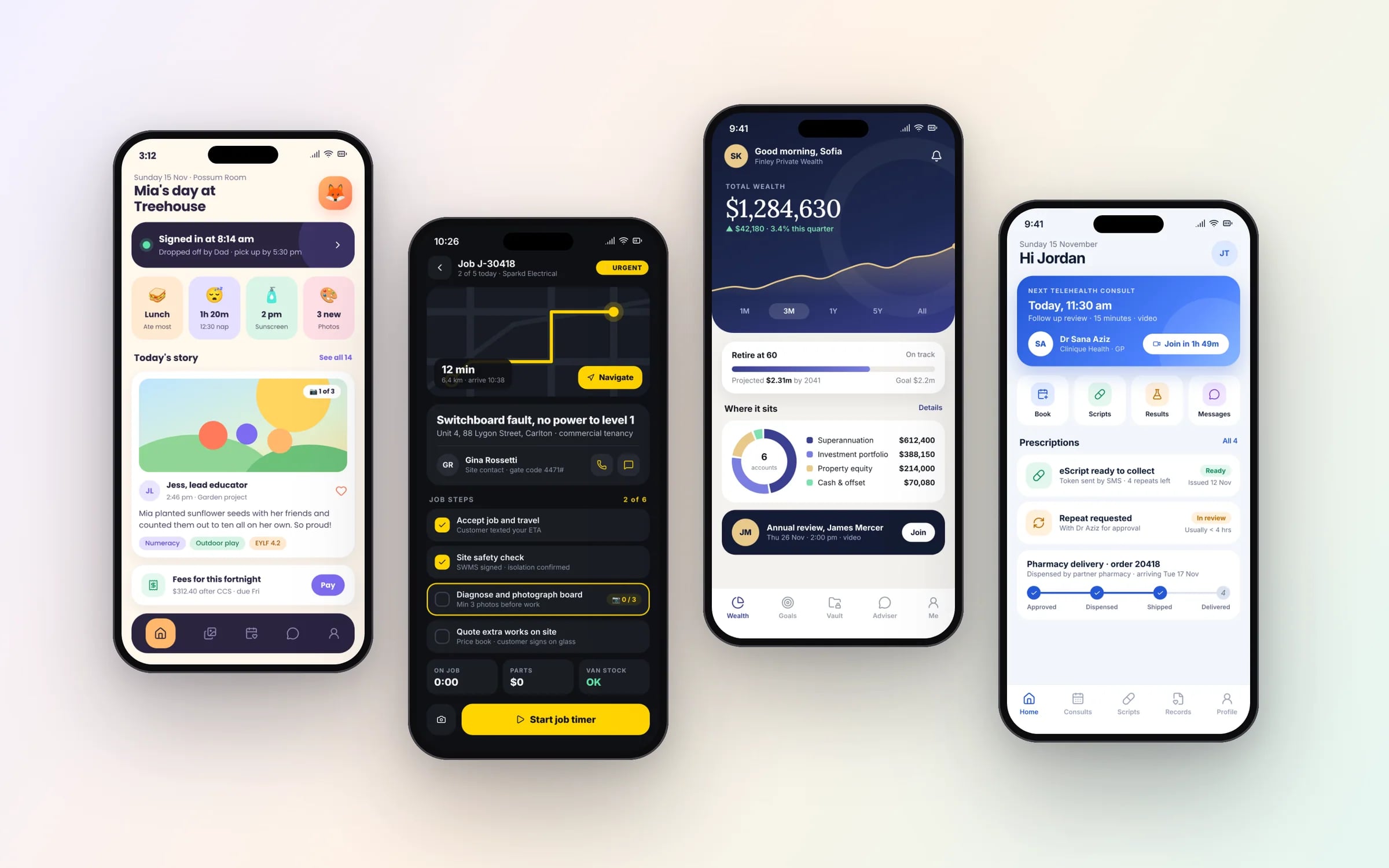
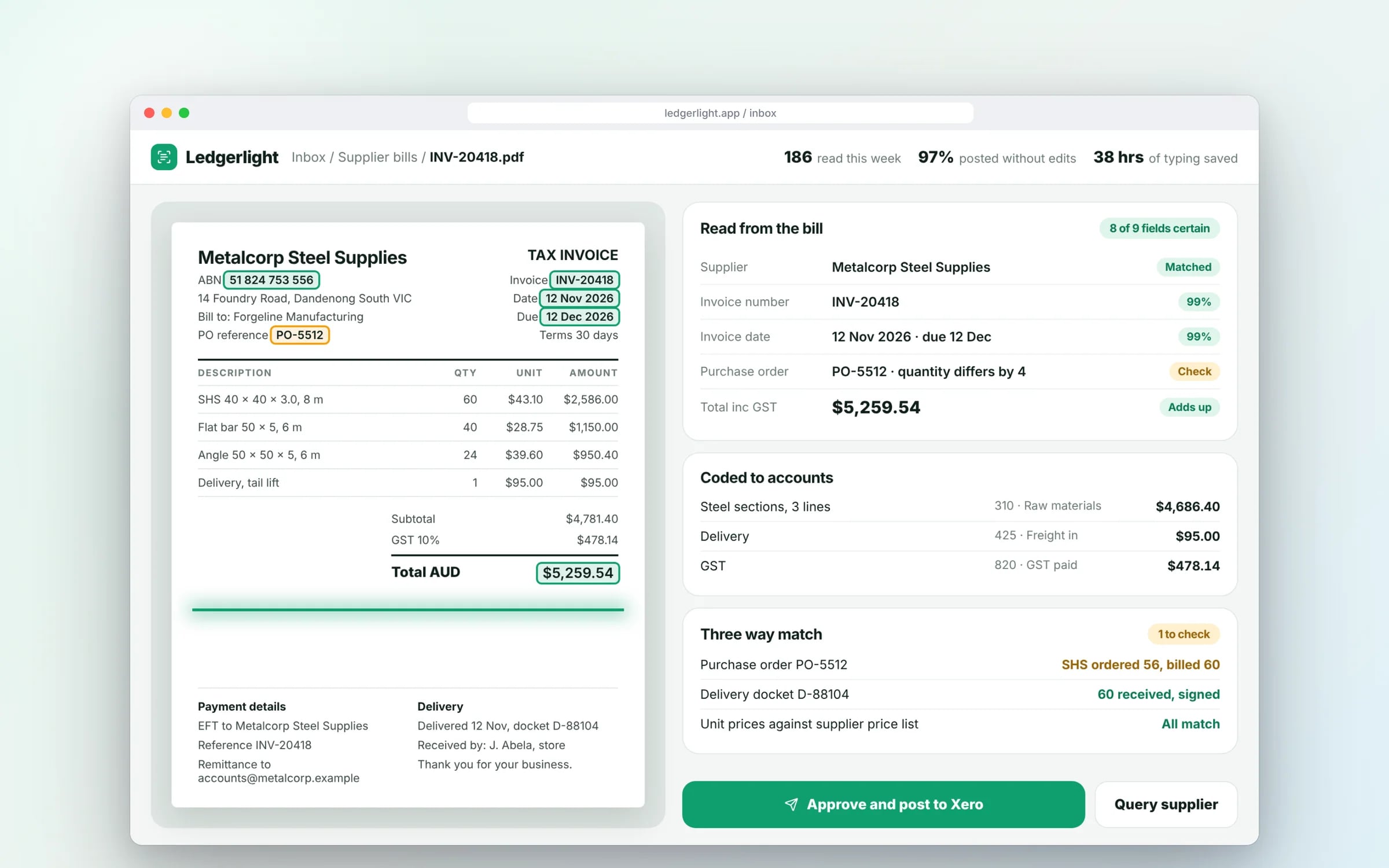
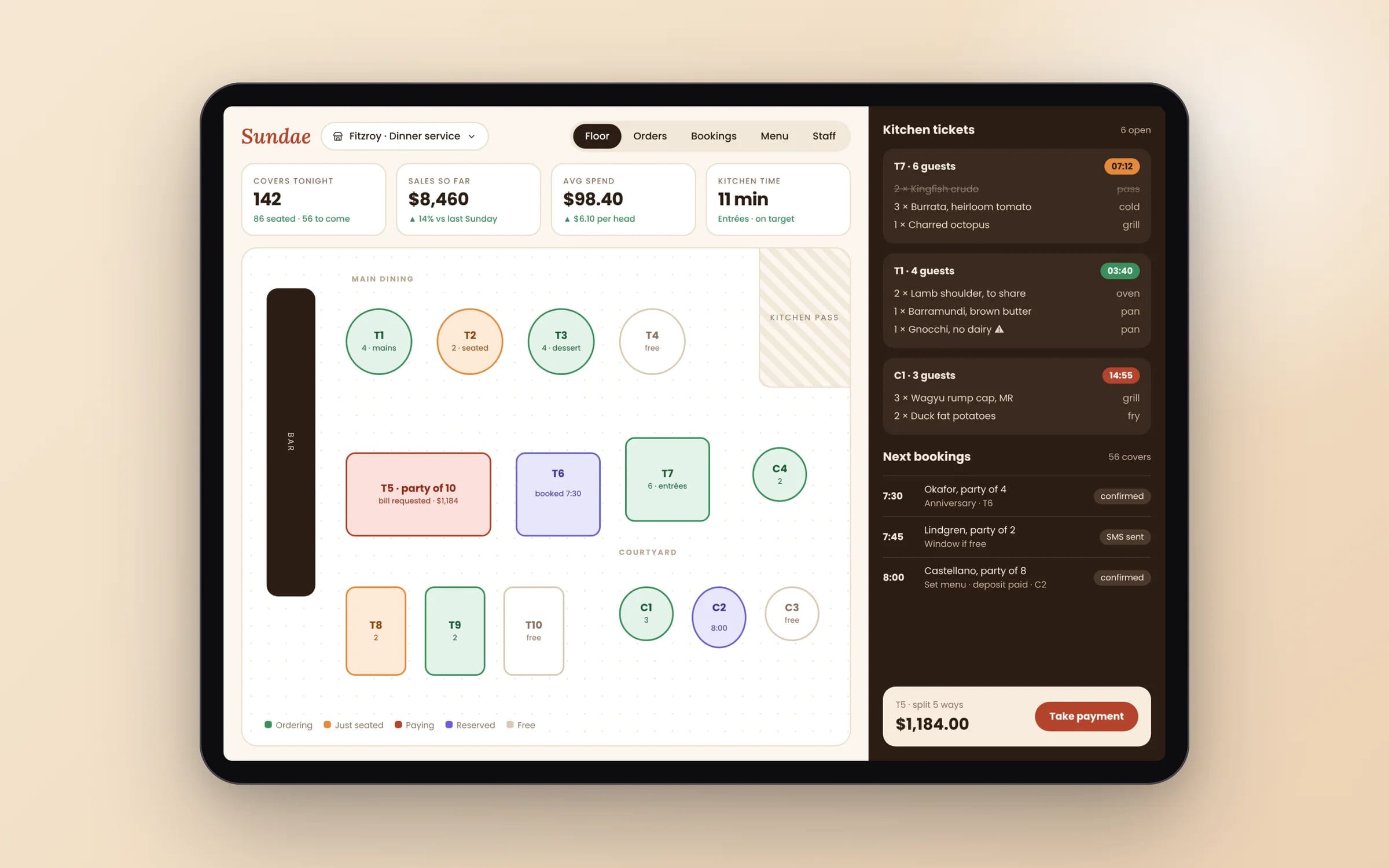
Example screens. The business names on them are invented.
★★★★★
“It has led to more sales because of how professional it is!”
Five years of renting, against owning. The gap is the point.
You probably need this when
- 01Our website looks older than our business.
- 02Every small text change means emailing a developer and waiting.
- 03We get found for our own name and nothing else.
- 04The site is slow on phones and enquiries have dropped off.
- 05We've launched a new service and the site barely mentions it.
What you walk away with.
- 01A brand led marketing site designed to convert
- 02Technical SEO foundations built in from the first commit
- 03A CMS your team can update without touching code
What is Corporate Websites?
A corporate website is the main marketing site for a business: the pages that explain what you do, show your work, rank in search, get cited in AI answers and turn visitors into enquiries.
These sites are built to your brand, with technical SEO in place from the start and a CMS your team can edit, for businesses whose current site is slow, dated or hard to update.
Reviewed by the Hypex team, Port Melbourne
Questions owners ask.
How long does it take to build a business website?
A business website's timeline is set mostly by content and approvals: page copy, photos and case studies are what usually hold a launch back. The build itself depends on how many distinct page templates are needed, how the CMS is set up, and integrations such as forms that feed your CRM. A small site with content ready moves quickly; a site with many service pages, case studies and migrated blog posts takes longer. Writing content alongside design keeps it on track.
What technical SEO should a new website have built in?
A new website should launch with fast pages that pass Google's Core Web Vitals, content present in the initial HTML, structured data describing your business and services, an XML sitemap, clean URLs, accurate titles and descriptions, and redirects from every old URL. Technical SEO is the part of search optimisation that lives in the build, so it is cheapest to get right at the start. Missing redirects are the most common way a rebuild loses existing rankings.
Which CMS should a business website use?
Choose the CMS your team will actually use, matched to how often content changes and how structured it is. WordPress is widely known and has a large plugin library, but plugins need ongoing updates and can slow a site. A headless CMS stores content separately from the site, so editors get structured fields for services, case studies and team profiles while the front end stays fast. The practical test: can your marketing coordinator add a case study without calling a developer?
Do websites have to be accessible in Australia?
Yes, Australian businesses should make their websites accessible, because the Disability Discrimination Act can apply to websites, and WCAG is the standard used to judge accessibility. WCAG 2.2 level AA is a sensible target: readable colour contrast, text alternatives for images, keyboard navigation, clear form labels and captions on video. Accessible structure also helps search engines understand the page. Build accessibility in from the design stage, as retrofitting it after launch is harder.
Will rebuilding my website hurt my Google rankings?
A rebuild should not hurt rankings if existing URLs are redirected, content that ranks is kept or improved, and the new site is technically sound; rankings drop when those steps are skipped. Before launch, list every page that receives search traffic or links, map each one to its new URL with a permanent redirect, and keep titles and content that already perform. After launch, watch Google Search Console for crawl errors and fix them quickly.
What moves the cost and the timeline.
After a 30-minute call you get a system map with a fixed price for each stage, before any work starts. These are the things that shape it.
- Number of distinct page templates
- Content writing, photography and case studies
- Pages and blog posts to migrate and redirect
- CMS structure and the number of content types
- Integrations such as forms to a CRM or booking tools
Built for businesses like yours
Show us how you run it today.
Thirty minutes with the people who would build it. We'll map where the hours go and tell you honestly whether custom software is worth it for you.