Social Media. Scroll-stopping social built to earn attention and move product.
We architect social media attention, strategy, creative, production and paid distribution engineered together so every post pulls its weight against a real business outcome.

You probably need this when
- 01Posting stops whenever the person responsible gets busy.
- 02You get likes but cannot point to a single enquiry that came from social.
- 03Your accounts look abandoned to prospects who check you out before calling.
- 04Competitors turn up in your customers' feeds and you do not.
- 05Nobody is sure who holds the logins to the business pages.
What it can look like. Screens from systems like this.
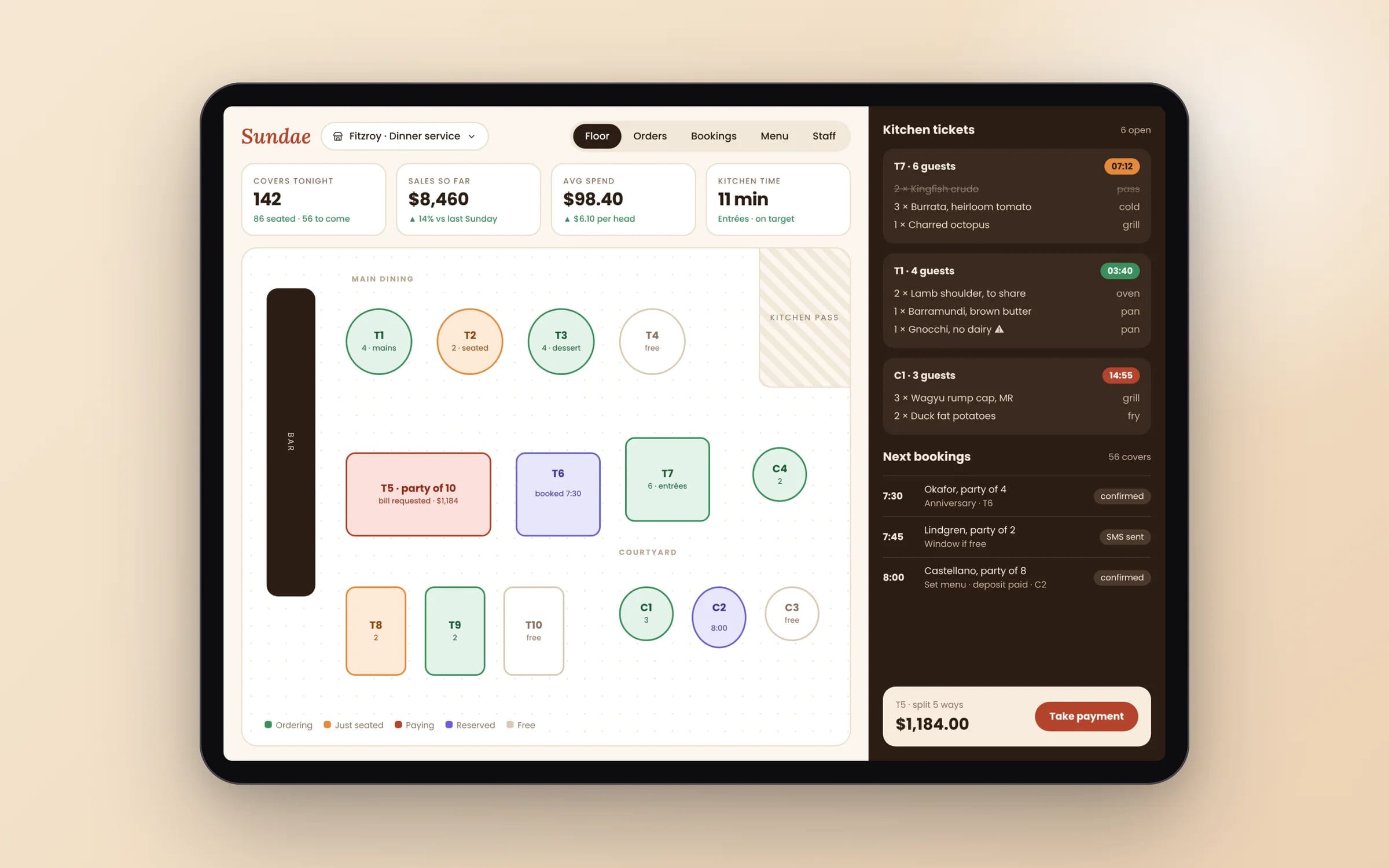
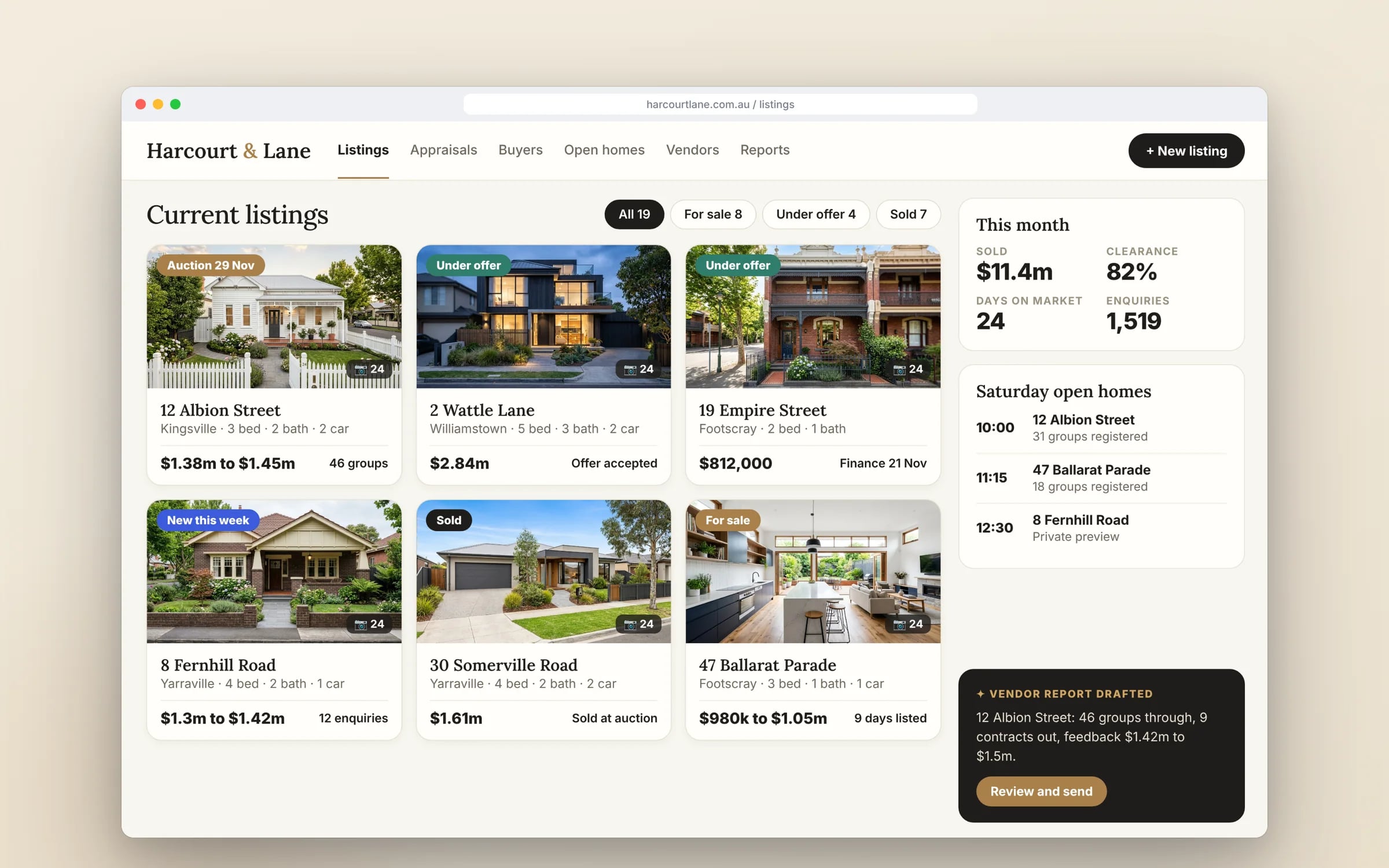
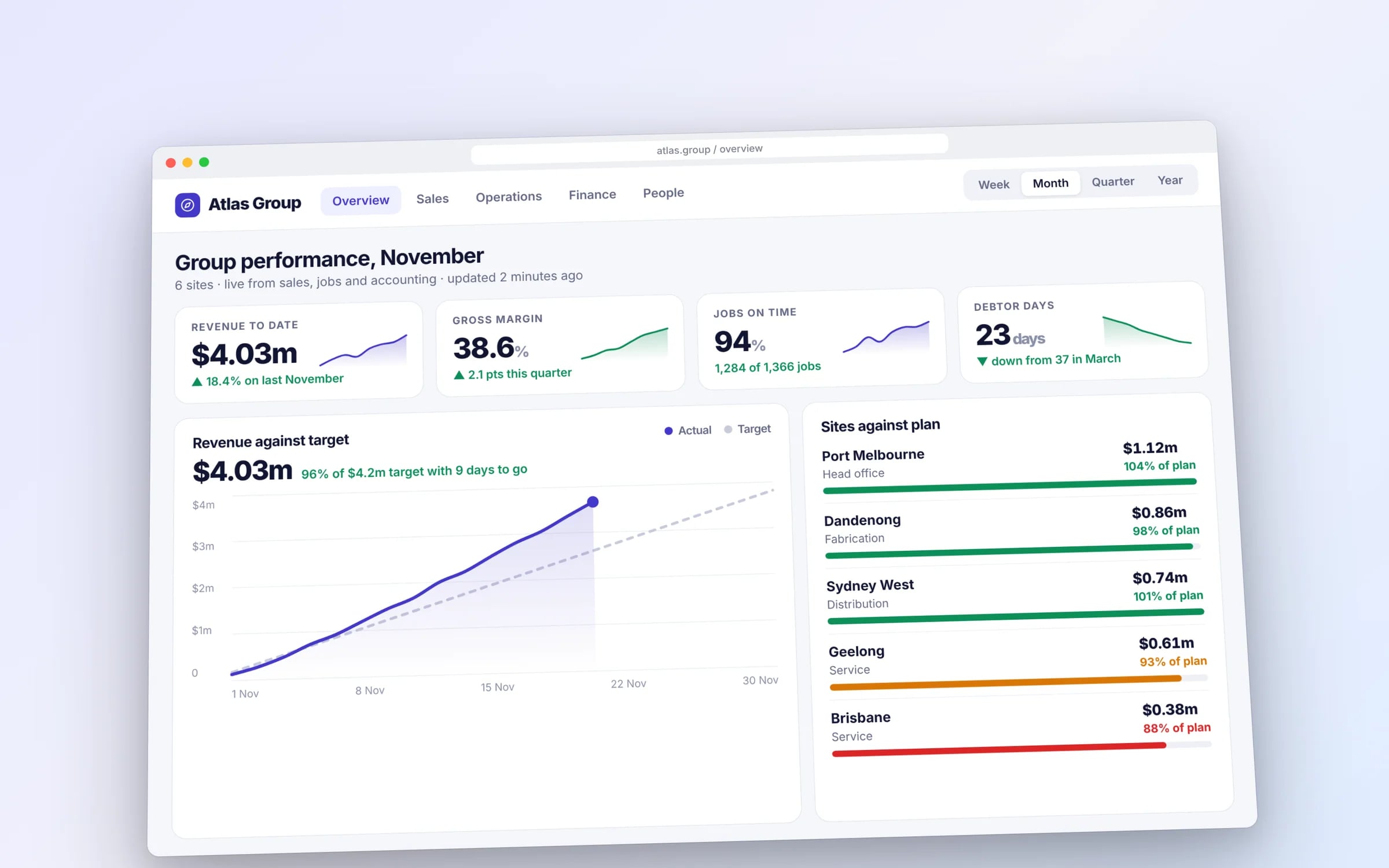
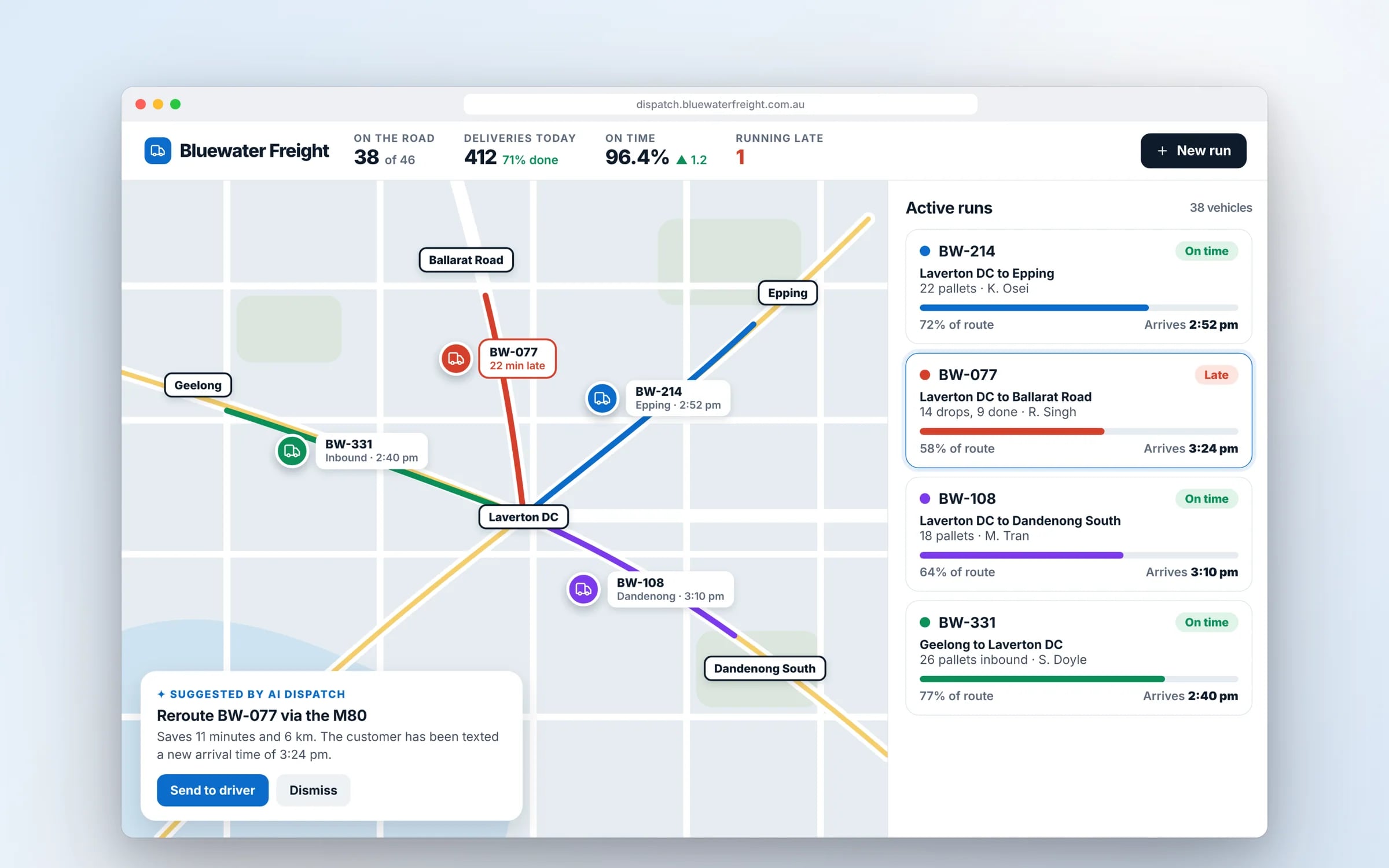
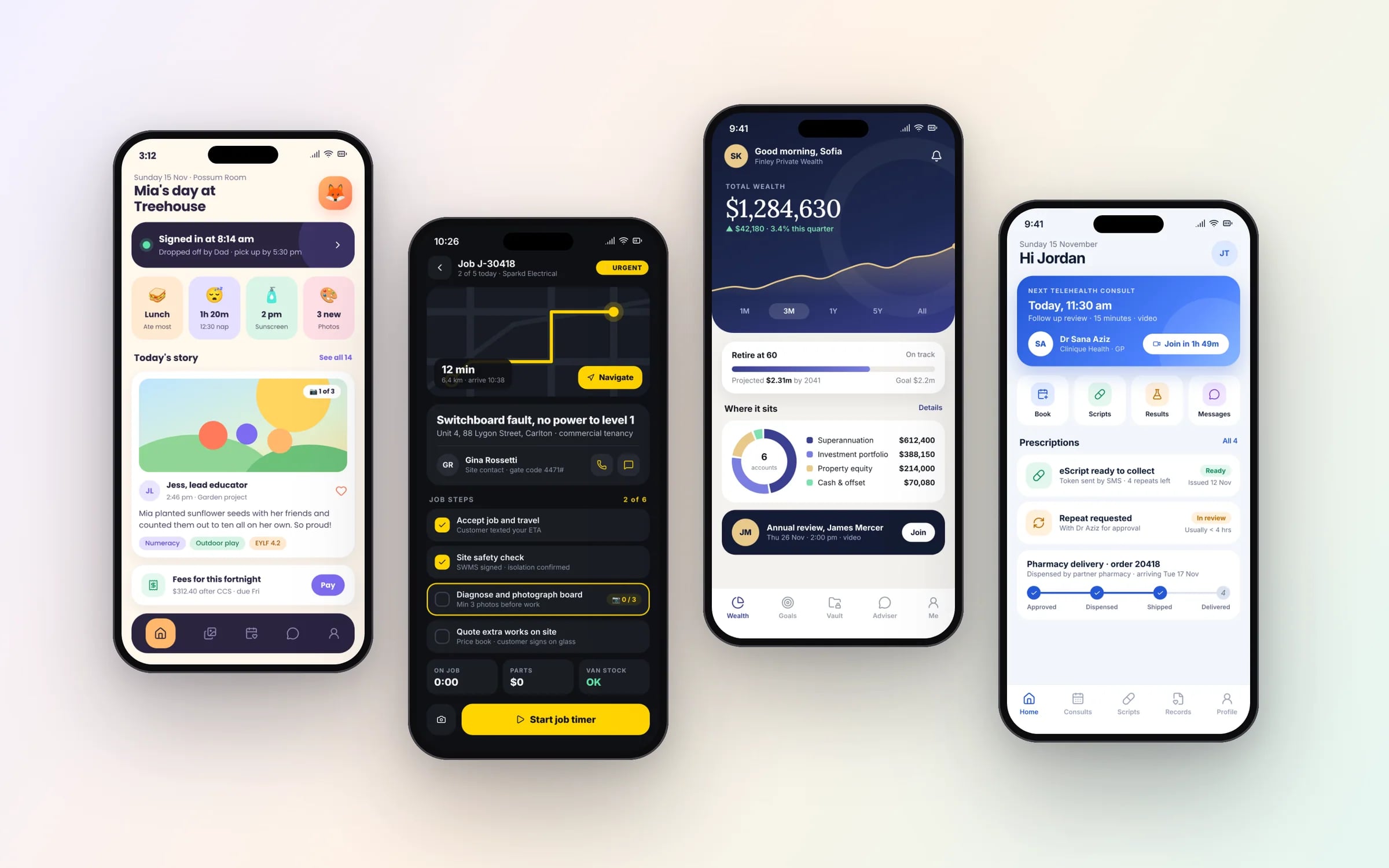
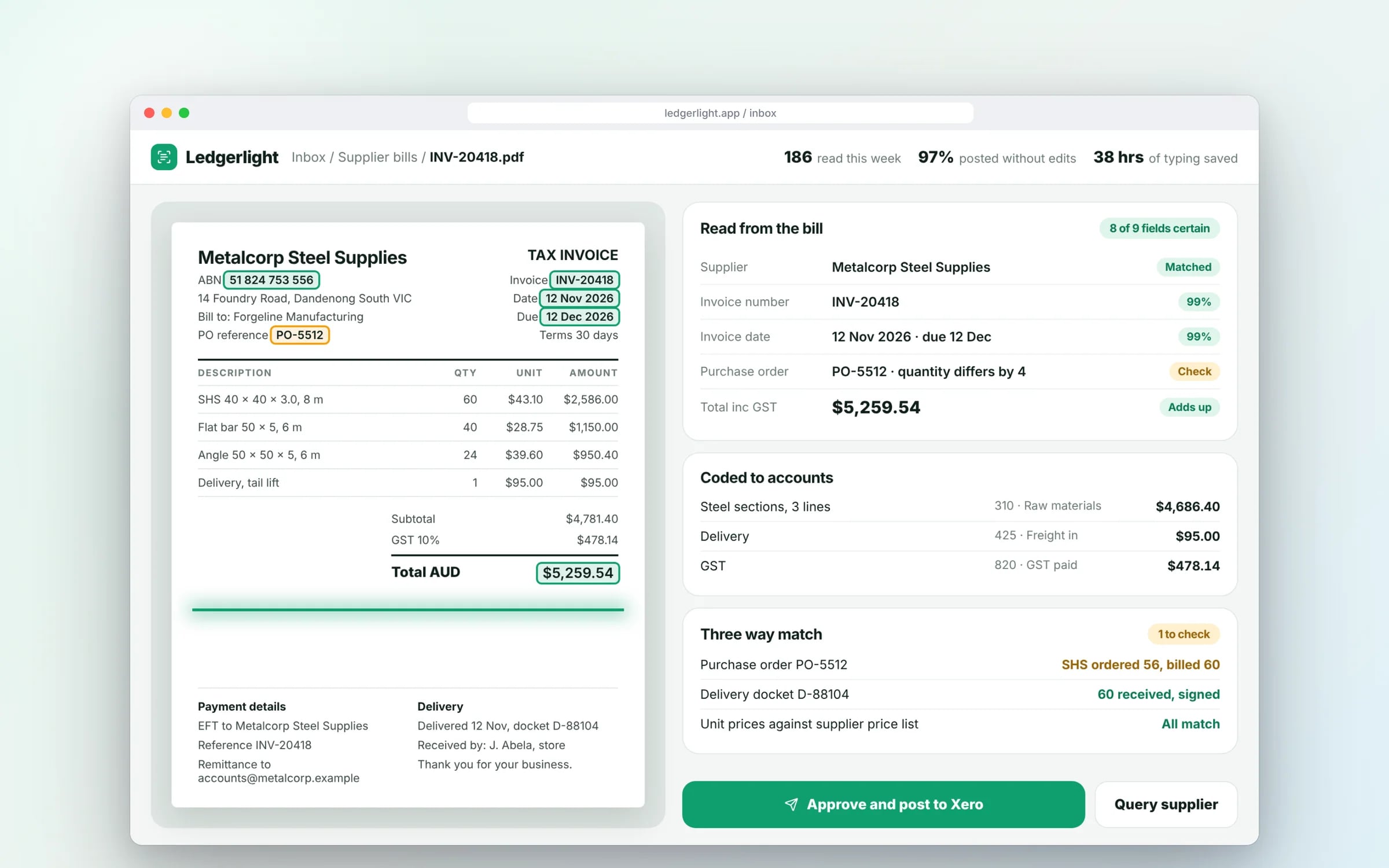
Example screens. The business names on them are invented.
What happens, in order.
1Audit and choose platforms
We review your current accounts, competitors and audience, then pick the platforms where your buyers actually spend time.
2Set up the content system
A calendar, content themes, brand voice notes and a capture list so your team knows what material to collect on the job.
3Produce and publish
Short video, static posts and copy are produced in batches and scheduled at the cadence each platform rewards.
4Promote and report
The strongest posts are put behind paid budget to defined audiences, and results are reported against enquiries and sales.
Leads that turn into work. When marketing feeds the system.
Asked and answered. Found by people and by AI.
When a customer asks an AI assistant who to call, it answers from what you have published: your pages, your reviews and the structured data underneath. We build all three to be read.
What you walk away with.
- 01A platform-by-platform social strategy tied to business goals
- 02A content system covering calendars, creative and copy
- 03Paid social and community management reported against results
★★★★★
“One of the BEST companies our business has worked with.”
What is Social Media?
Social media marketing is planning, producing and distributing content and paid posts on platforms such as Instagram, Facebook, LinkedIn and TikTok to win the attention of the people who buy from you.
It suits businesses whose posting is irregular or left to one overstretched person, and owners who want social activity measured against enquiries and sales instead of likes.
Reviewed by the Hypex team, Port Melbourne
Questions owners ask.
Which social media platform is best for a B2B business in Australia?
For most B2B businesses, LinkedIn is the strongest platform, because it is where decision makers can be reached and targeted by role, industry and company. A commercial cleaning company selling to facility managers, or an engineering firm selling to project directors, will usually find its buyers there. Facebook and Instagram still help with local recognition, recruitment and remarketing to people who visited your website. YouTube can suit B2B when you have useful how-to or behind-the-scenes content. Pick one or two platforms you can do properly before adding more.
How often should a business post on social media?
A business should post as often as it can sustain good, consistent content, which for many means a few times a week on its main platform. Consistency matters more than volume: a reliable weekly rhythm of useful posts beats a burst of daily posts that stops after a month. Short video formats such as Reels and TikToks tend to earn more reach on those platforms, so the right cadence differs by channel. We set a calendar around what can be produced at a steady quality, then adjust it from results.
Is organic social media still worth it, or do we have to pay for reach?
Organic social is still worth doing, but its main job is trust and retention, while paid social does most of the work of reaching new people. Platforms show a business's posts to only a portion of its followers unless the content performs strongly, so relying on organic reach alone to find new customers is slow. Organic content shows prospects that you are active and competent when they check you out, and it gives paid campaigns tested material to promote. Most businesses get the best results running both under one plan.
How do you measure whether social media is bringing in customers?
Social media is measured by tracking what people do after they engage, such as enquiries, bookings, sales and sign-ups, and connecting each one to the post or campaign that brought them. That needs tracking set up properly, including the Meta Pixel and Conversions API, the LinkedIn Insight Tag, UTM tags on links, and lead source recorded in your CRM. Followers and likes are useful signals of content quality, but they are not the goal. Because Hypex builds software, we can connect social leads to the systems that record what happened to them later.
Should we do social media in house or hire an agency?
Keep social in house when you have someone with the time, skills and support to plan, produce and report consistently, and bring in outside help when posting depends on whoever has a spare hour. A common middle path is that your team captures day-to-day material, such as job photos, staff stories and customer moments, while an outside team handles strategy, editing, paid distribution and reporting. That keeps content authentic and output steady. Whichever you choose, make sure your business owns every account, page and ad account.
What moves the cost and the timeline.
After a 30-minute call you get a system map with a fixed price for each stage, before any work starts. These are the things that shape it.
- The number of platforms and the posting cadence
- How much video is filmed on location versus cut from existing material
- Whether community management and replying to comments are included
- How many paid audiences and offers are being tested
Built for businesses like yours
Show us how you run it today.
Thirty minutes with the people who would build it. We'll map where the hours go and tell you honestly whether custom software is worth it for you.