Google Ads. High-intent search campaigns engineered around profitable demand.
We turn Google Search and Shopping into a controlled acquisition system, aligning query intent, campaign architecture, bidding, landing pages and conversion measurement around the outcomes your business values.

What it can look like. Screens from systems like this.
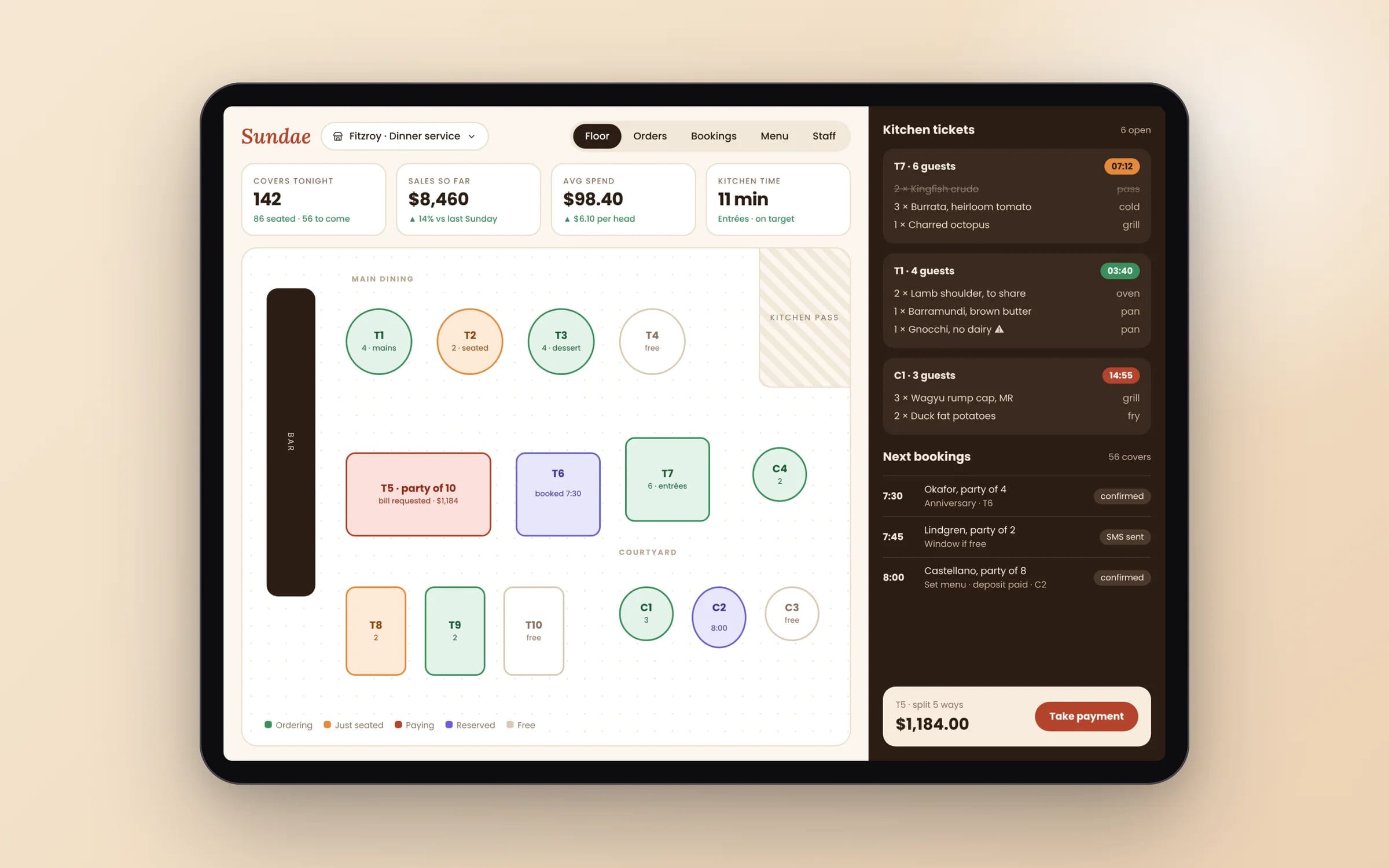
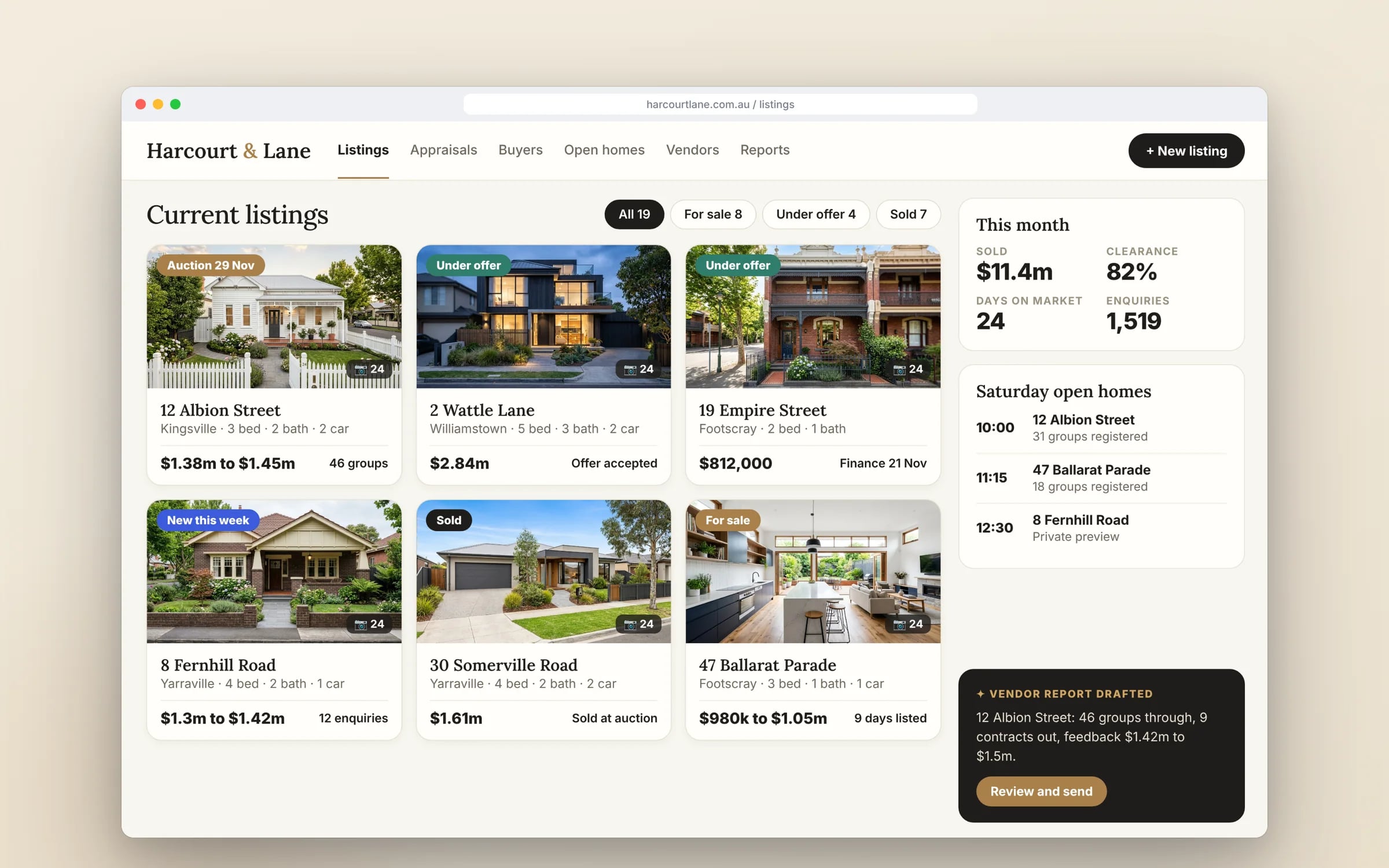
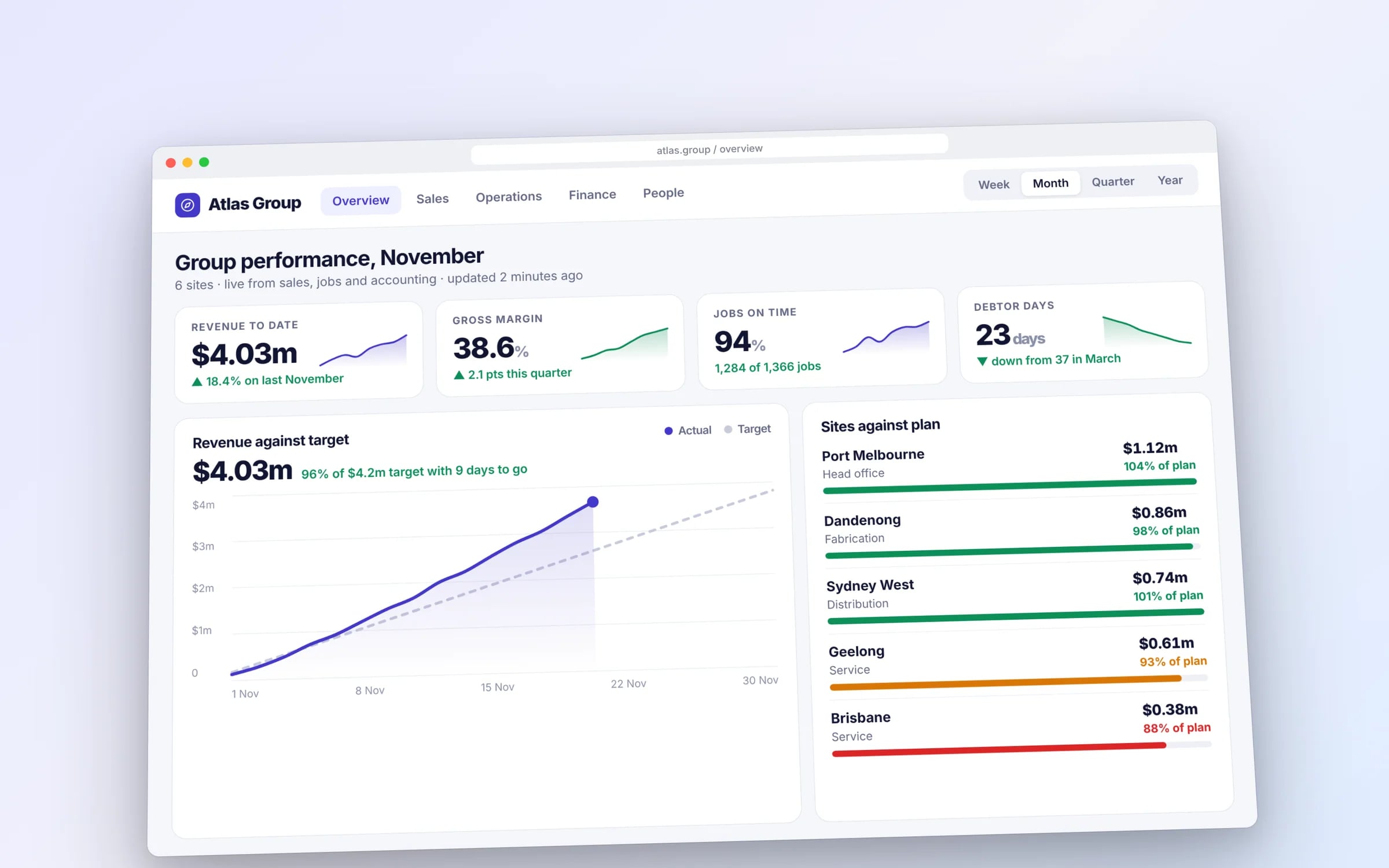
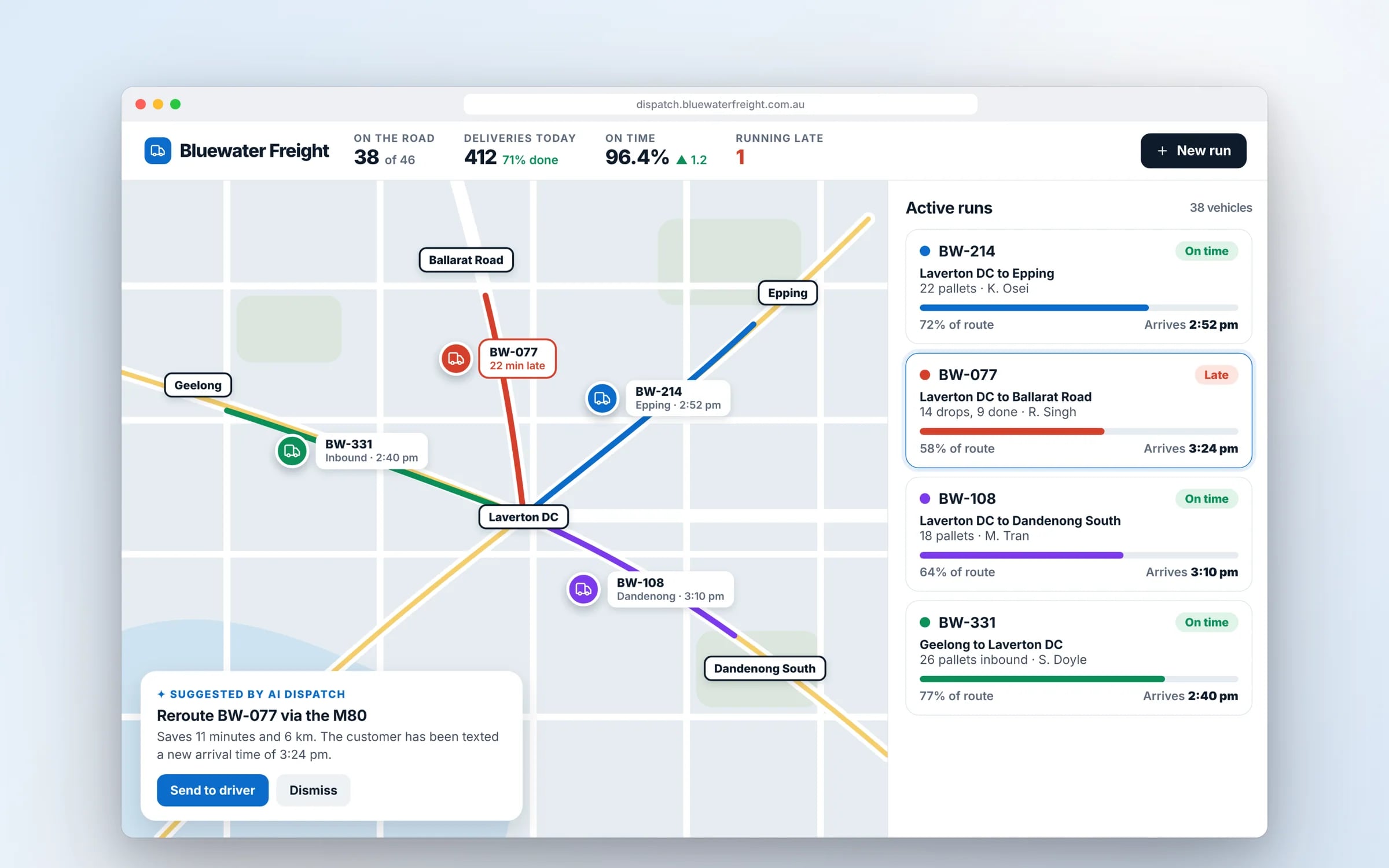
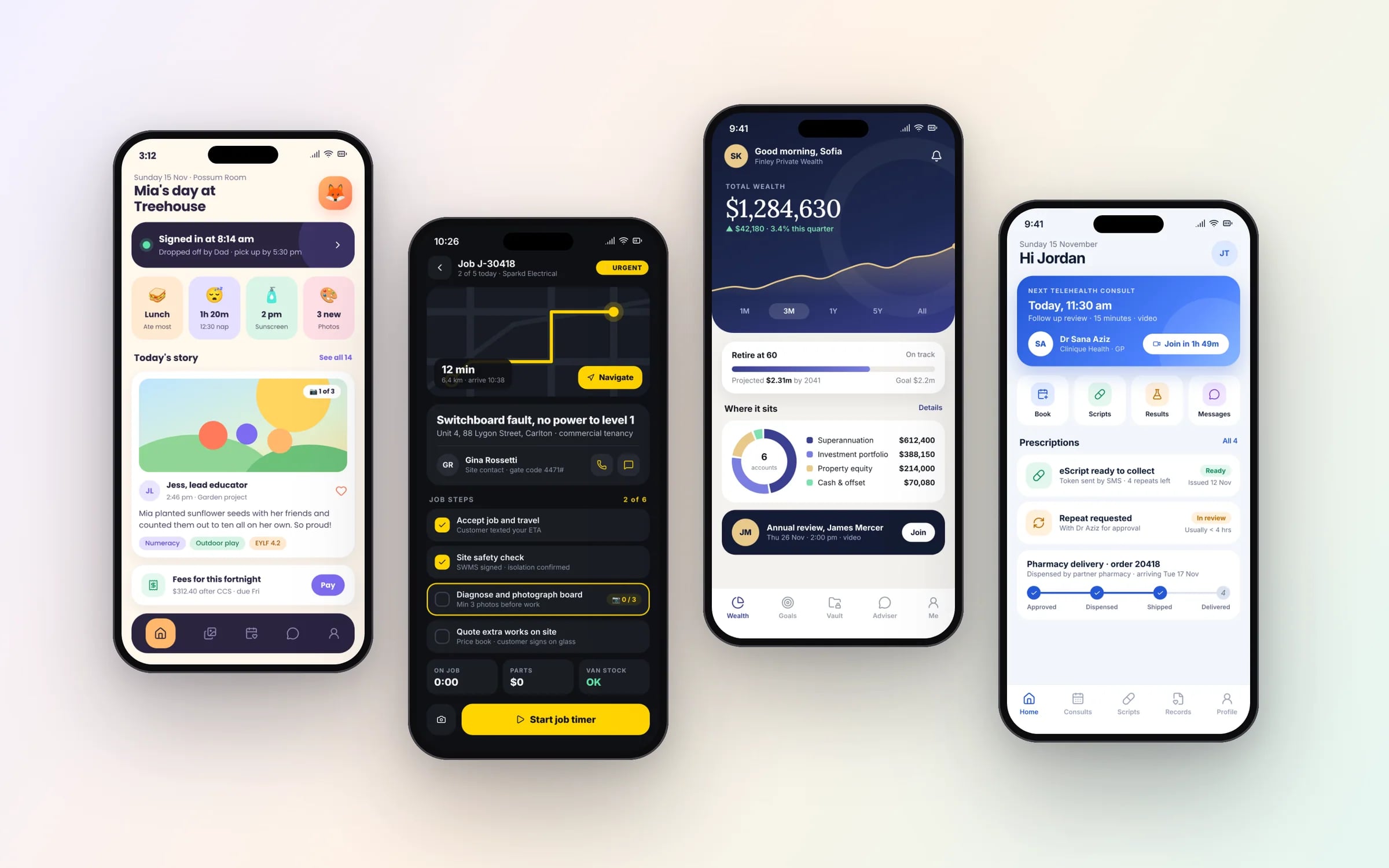
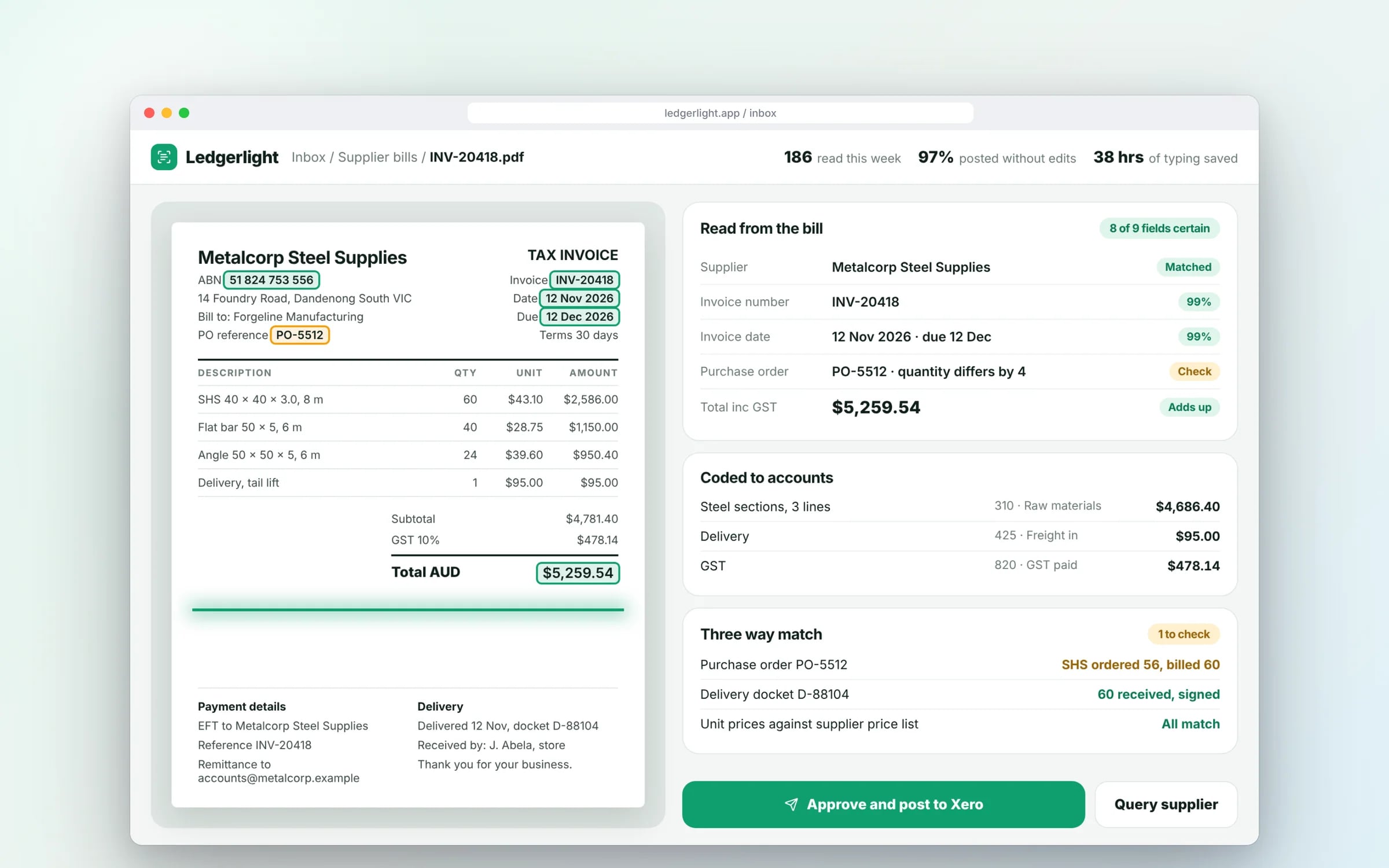
Example screens. The business names on them are invented.
You probably need this when
- 01You pay for clicks but cannot say which ones became customers.
- 02Your ads show for searches that have nothing to do with your work.
- 03The account was set up years ago and nobody has restructured it since.
- 04Competitors appear above you when people search your business name.
- 05Calls from ads are not tracked at all.
Asked and answered. Found by people and by AI.
When a customer asks an AI assistant who to call, it answers from what you have published: your pages, your reviews and the structured data underneath. We build all three to be read.
How we'd build it.
- Step 1
Audit the account and tracking
We review search terms, structure, conversions and landing pages, and fix tracking before changing bids.
- Step 2
Rebuild around intent
Campaigns and ad groups are organised by service, location and intent, with shared negative keyword lists.
- Step 3
Match the landing pages
Each high-value search theme gets a page that answers it directly, which we can build alongside the campaigns.
- Step 4
Feed back real outcomes
Results from your CRM or job system are imported so bidding learns from qualified leads and revenue.
★★★★★
“Great team to work with, really strive for success and provide excellent communication with any service provided.”
How we do it.
- 01Search intentQuery research and account strategy built around what customers mean.
- 02Campaign architectureSearch, Performance Max and remarketing structured to give automation useful boundaries and reliable signal.
- 03Shopping & feedsProduct data, segmentation and creative assets shaped to make the right offer visible at the right moment.
- 04Conversion optimisationLanding-page insight, tracking and value signals that connect every click to a meaningful commercial result.
Leads that turn into work. When marketing feeds the system.
What is Google Ads?
Google Ads is Google's advertising platform for showing paid results above search results, in Shopping listings, on YouTube and across partner websites, usually paid per click.
It suits businesses whose customers already search for what they sell, such as emergency electricians, freight brokers or online retailers, and who want enquiries from people at the moment they look.
Reviewed by the Hypex team, Port Melbourne
Questions owners ask.
Google Ads vs Facebook ads: which is better for B2B?
Google Ads is usually the better starting point for B2B when buyers search for your service, because you reach them at the moment they are looking for a supplier. Searches like industrial racking installers Melbourne or payroll software for construction show clear intent. Facebook and Instagram ads suit B2B when you need to create demand for something buyers do not yet search for, or to remarket to people who visited your site. For targeting by job title, LinkedIn is usually more precise than either. Many B2B accounts use Google to capture demand and Meta or LinkedIn to remarket.
Why are we paying for Google Ads clicks that never turn into leads?
Clicks that do not become leads usually come from irrelevant search terms, a landing page that does not match the ad, or tracking that counts the wrong actions. Check the search terms report: broad match keywords often trigger searches from job seekers, DIY researchers or people looking for a competitor. Add negative keywords, tighten match types and send each ad group to a page that answers that exact search. Then make sure conversions measure real enquiries, such as calls above a minimum length and genuine form submissions, so automated bidding learns from the right outcomes.
What is Performance Max, and should we use it?
Performance Max is a Google Ads campaign type that uses automation to show ads across Search, Shopping, YouTube, Display, Gmail and Maps from one campaign, based on the assets and conversion goals you supply. It can work well for ecommerce with a good product feed and accurate conversion values. For lead generation it can spend on low-quality placements or chase easy form fills unless conversion tracking reflects lead quality. We usually build Search campaigns for core high-intent terms first, then add Performance Max where the data and tracking can guide it.
What is Quality Score in Google Ads?
Quality Score is a rating from 1 to 10 that Google gives each keyword as a diagnostic, based on expected click-through rate, ad relevance and landing page experience. It is not used directly in the auction, but the same factors affect where your ad appears and what you pay for each click. Low scores usually point to keywords grouped too broadly, ads that do not reflect the searcher's words, or slow and off-topic landing pages. Fixing those structural problems helps your ads compete for better positions at a more reasonable cost.
Can Google Ads track phone calls and leads that close offline?
Yes, Google Ads can track calls from ads and your website, and it can import offline outcomes, such as a lead becoming a signed job, from your CRM. Call tracking uses Google forwarding numbers or a call tracking tool, with a minimum call length set before a call counts as a conversion. Offline conversion import matches the click ID or enhanced conversions data stored with the lead to the sale recorded later. This lets bidding optimise toward revenue instead of form fills. Because we build software, we can connect your CRM or job system directly to supply that data.
Do we need Google Merchant Center for Shopping ads?
Yes, Shopping ads require a Google Merchant Center account with an approved product feed, linked to your Google Ads account. The feed lists each product's title, price, availability, images and identifiers such as GTINs, and its quality largely decides which searches your products appear for. Platforms such as Shopify can sync a feed automatically, but titles and attributes usually need improving to match how people search. Merchant Center also checks policies and shipping details, and disapproved products stop showing in Shopping ads until they are fixed.
Google Ads vs Meta ads.
- How people are reached
Google AdsBy what they search for, at the moment they search
Meta ads (Facebook and Instagram)By audience signals, lookalikes and remarketing, while they scroll
- Type of demand
Google AdsCaptures demand that already exists
Meta ads (Facebook and Instagram)Creates new demand and interest
- Main formats
Google AdsText search ads, Shopping listings, YouTube and display
Meta ads (Facebook and Instagram)Image, video, carousel, Reels and instant lead forms
- What drives results
Google AdsKeyword choice, landing page match and conversion data
Meta ads (Facebook and Instagram)Creative quality and volume, the offer and conversion data
- B2B role targeting
Google AdsIndirect, through the words buyers search
Meta ads (Facebook and Instagram)Limited, with LinkedIn more precise for job titles
- Best suited to
Google AdsUrgent or researched purchases people search for
Meta ads (Facebook and Instagram)Visual products, local services, launches and remarketing
What moves the cost and the timeline.
After a 30-minute call you get a system map with a fixed price for each stage, before any work starts. These are the things that shape it.
- The number of services, locations or products to cover
- The condition of the existing account and tracking
- Whether landing pages need building or rebuilding
- Shopping feed quality and catalogue size
- CRM or offline conversion integration work
Built for businesses like yours
Show us how you run it today.
Thirty minutes with the people who would build it. We'll map where the hours go and tell you honestly whether custom software is worth it for you.