Marketplaces. Multi vendor and multi sided platforms built to scale.
Multi sided platforms - vendors, buyers, listings, payments - architected to handle growth from day one rather than needing a rebuild at scale.

What it can look like. Screens from systems like this.
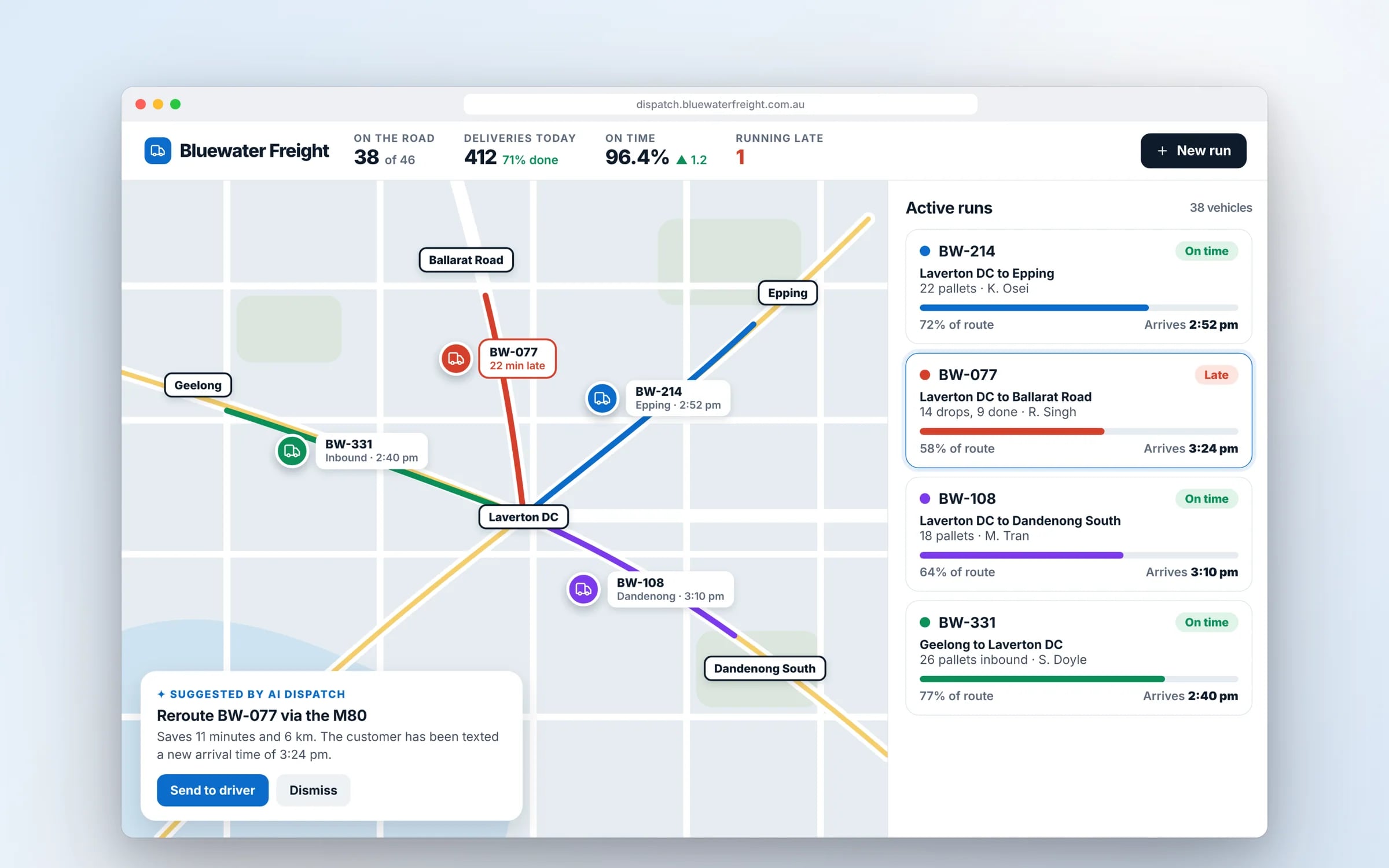

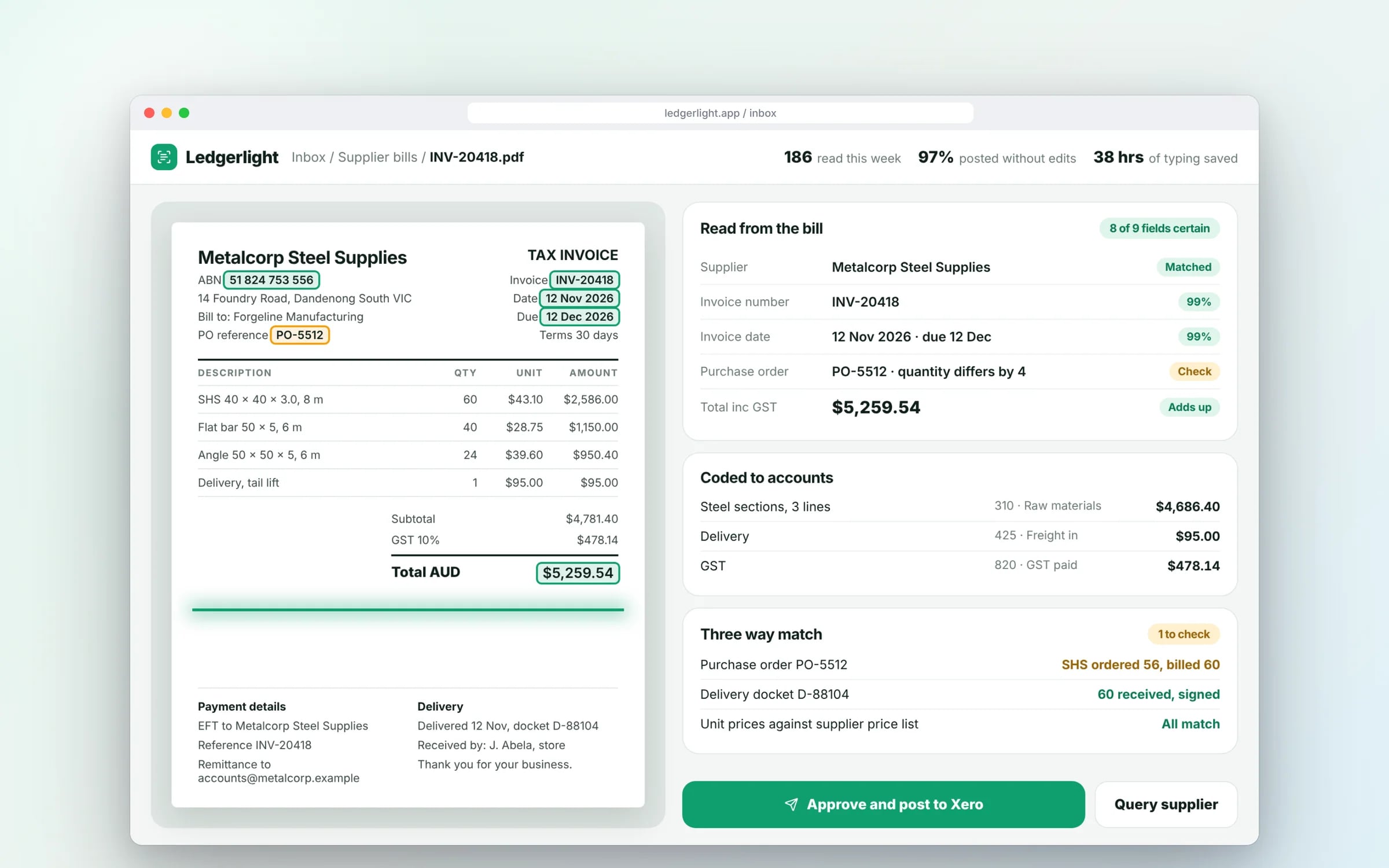
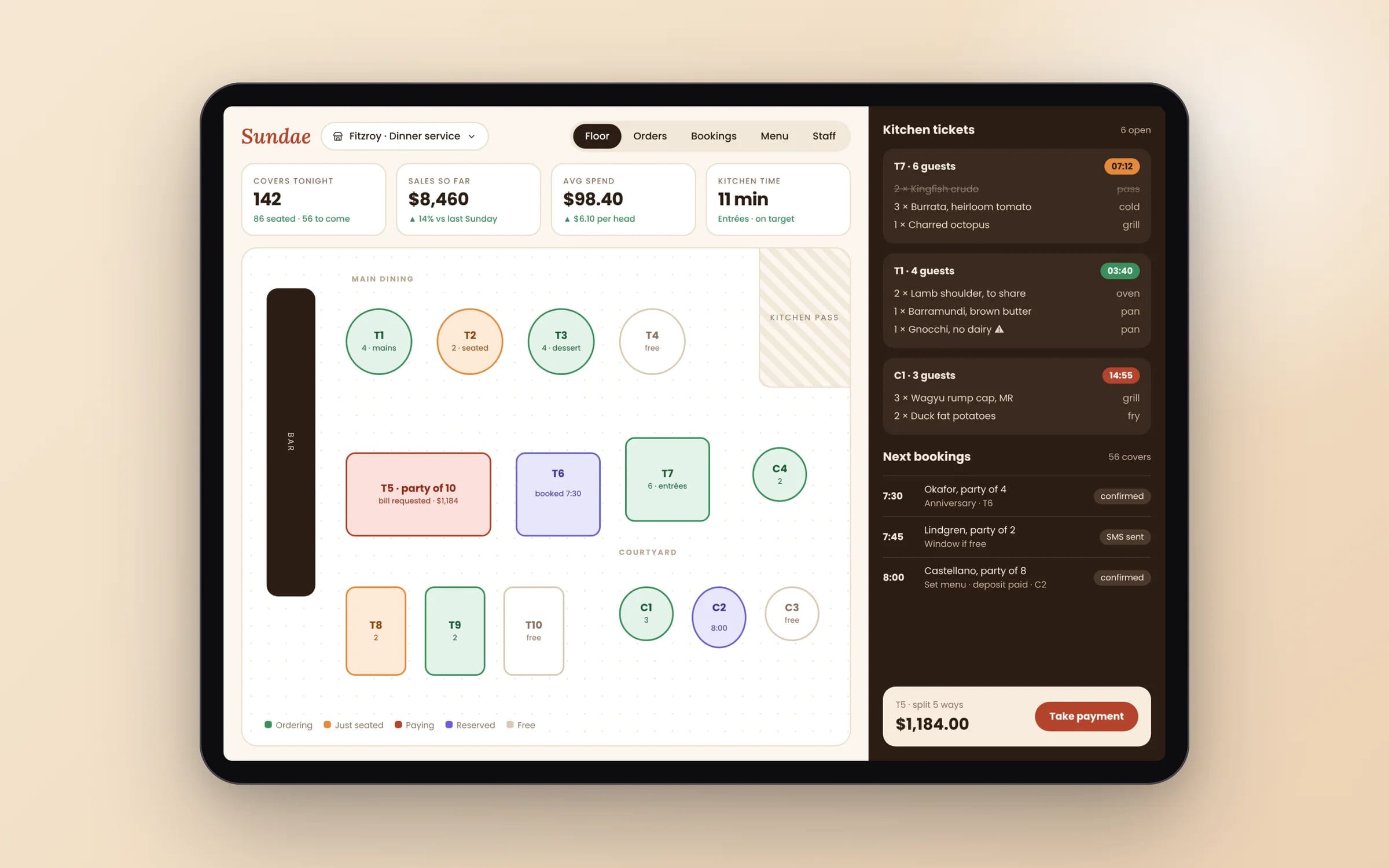
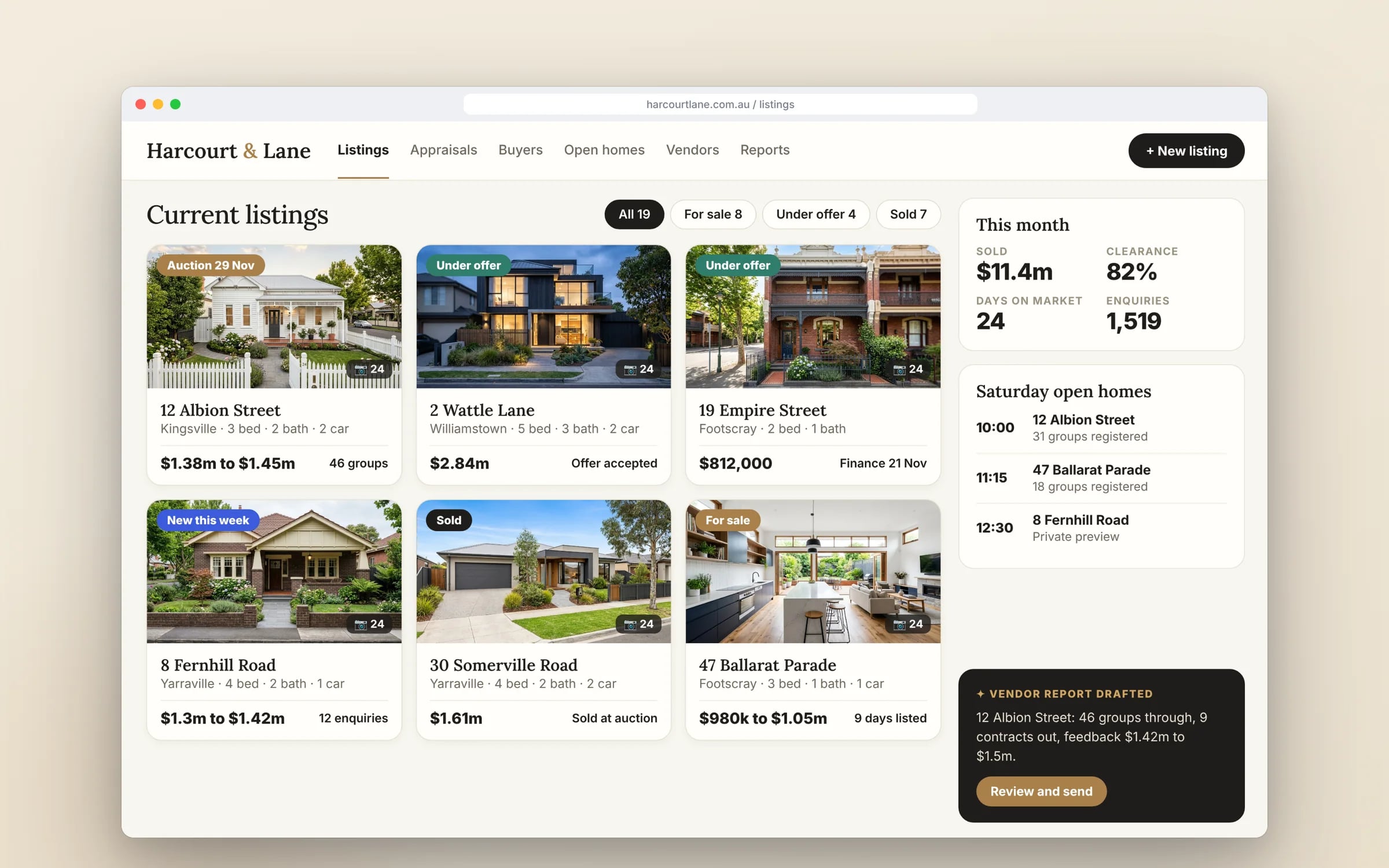
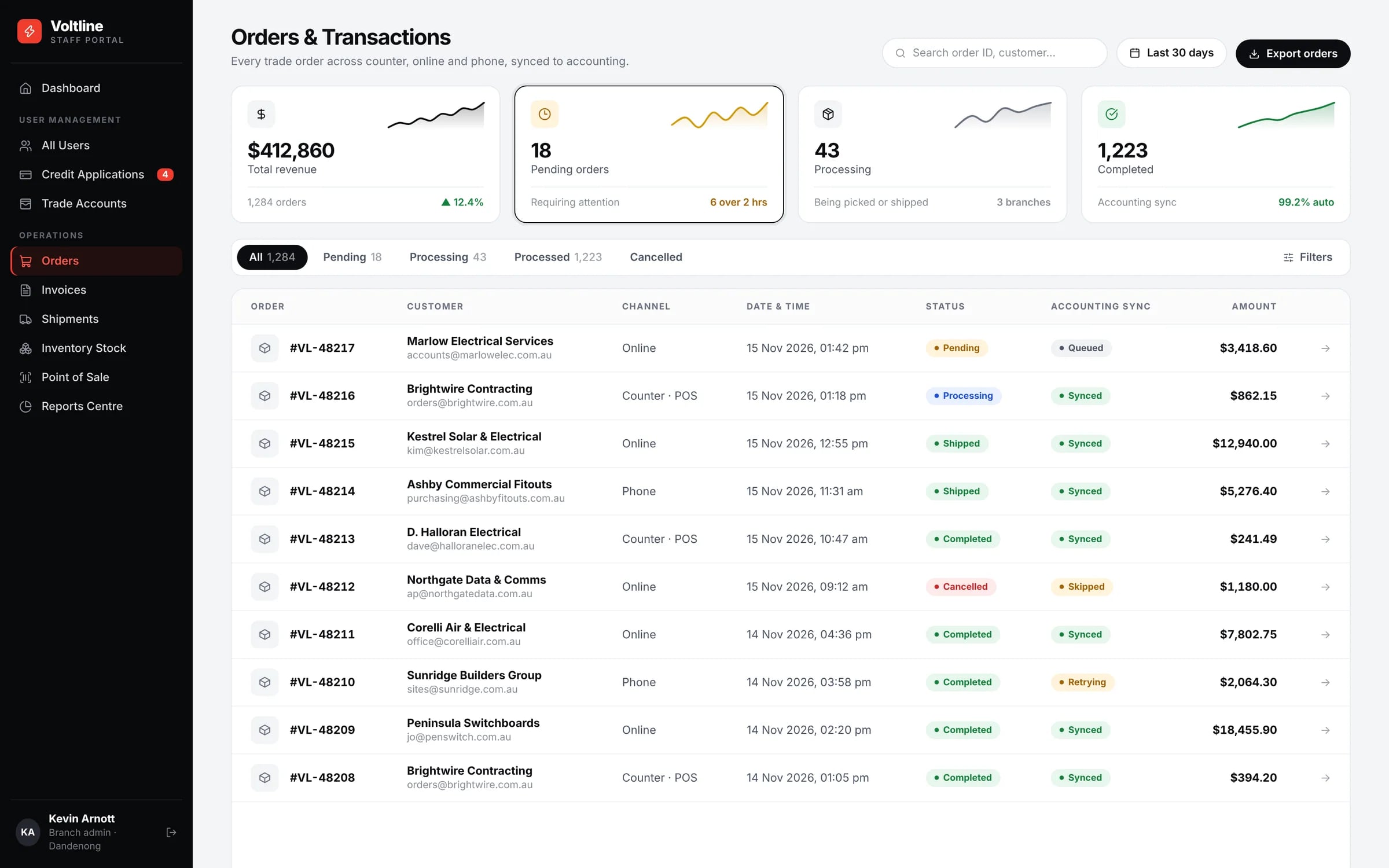
Example screens. The business names on them are invented.
You probably need this when
- 01Our marketplace plugin can't handle how our vendors want to be paid.
- 02Search gets slower every time we add listings.
- 03We fix orders by hand every morning because the platform can't.
- 04Our suppliers want their stock levels to update automatically.
- 05We already serve buyers and want to bring vendors onto the same platform.
Every payout reconciled. Orders, ledger and bank in agreement.
A marketplace takes money on behalf of many sellers. Each order, fee and payout is matched against the books and the bank overnight, with exceptions flagged before anyone asks.
How we'd build it.
- Step 1
Map both sides
What vendors and buyers each do, from onboarding through to payout.
- Step 2
Design the money flow
Commission, holds, refunds and payout timing agreed before build.
- Step 3
Build the core transaction
List, find, pay and fulfil, built first and usually in use within weeks.
- Step 4
Add trust and scale
Reviews, verification, moderation and search tuning as volume grows.
★★★★★
“TJ helped me in creating a super creative user interface. I got the results that I wanted.”
How we do it.
- 01Multi sided architectureVendor and buyer experiences designed together, so neither side is an afterthought.
- 02Payments and payoutsTransactions and vendor payouts wired to a real payment provider, handled correctly from day one.
- 03Listings and searchSearch and filtering built to stay fast as listing volume grows.
- 04Trust and moderationReviews, verification and moderation tools built in.
Five years of renting, against owning. The gap is the point.
What is Marketplaces?
A marketplace is a multi-sided platform where vendors list products or services, buyers find and pay for them, and the platform handles payments, payouts, reviews and disputes in between.
Both sides are built together, with payments wired to a real provider. It suits businesses launching a new marketplace, replacing one built on a plugin, or adding a seller side to an existing platform.
Reviewed by the Hypex team, Port Melbourne
Questions owners ask.
Should I build a custom marketplace or use Sharetribe?
Use Sharetribe or a similar marketplace builder when your transactions fit its standard flows, such as bookings or product sales with a commission, and you want to test the idea quickly; build custom when your transactions need logic a builder cannot model. Examples include B2B ordering with trade accounts, quotes before payment, split deliveries from several suppliers, or links to vendors' stock systems. Sharetribe can be extended with code, but a custom build lets the platform match how your trade buys and sells.
How do marketplace payments and vendor payouts work?
Marketplace payments usually run through a provider built for platforms, such as Stripe Connect, which takes the buyer's payment, deducts your commission and pays each vendor into their own account. The provider verifies vendors' identity during onboarding. The platform decides when funds are released, for example after delivery or job completion, and handles refunds and disputes. Getting this right early matters, because changing payment flows once vendors rely on their payouts is disruptive.
How do I get buyers and sellers onto a new marketplace at the same time?
Build supply first in one narrow segment, so the first buyers find enough choice to make a purchase. That usually means recruiting vendors directly, loading their listings for them if needed, and launching in one region or category before widening. The platform should make vendor onboarding quick and give vendors a reason to join before buyer traffic arrives, such as a tool that helps them manage the orders or quotes they already handle.
What features does a marketplace need at launch?
At launch a marketplace needs vendor onboarding, listings with search and filters, a checkout or booking flow, payments and payouts, notifications to both sides, and an admin view to moderate listings and resolve problems. Reviews and verification build trust once transactions are flowing. Loyalty schemes, advanced analytics and promotional tools can wait. The test is whether a buyer can find, pay for and receive what they ordered, and the vendor gets paid, without your team stepping in.
When does a marketplace outgrow a plugin or template?
A marketplace outgrows a plugin when the workarounds cost more than the plugin saves: search slows as listings grow, the payment flow cannot handle your commission or payout rules, vendors need features it does not offer, or staff fix orders by hand each day. Moving off means rebuilding vendor and buyer accounts, listings and order history on the new platform, then running both until transactions match. Plan the move around payout dates so no vendor waits for their money.
Has Hypex built a marketplace before?
Yes, Hypex has shipped an electrical supply marketplace: a trade catalogue with trade pricing, stock availability and account ordering for contractors and wholesale customers. Every marketplace build starts the same way: a 30-minute discovery call, then a system map showing each part of the platform, the build order, and a scope, timeline and fixed price for each stage. The core transaction is built first, so the first working part is usually in use within weeks, and the code and data belong to your business.
Custom marketplace vs Sharetribe.
- Transaction flow
Custom buildAny flow your trade needs, including quotes, trade accounts and split orders
SharetribeStandard booking and product sale flows, configured in its console
- First version
Custom buildStaged build, with the core transaction usually in use within weeks
SharetribeA working marketplace configured from its templates
- Payments
Custom buildWired to a provider such as Stripe Connect, with your own payout rules
SharetribeBuilt-in Stripe integration using its supported payment flows
- Customisation
Custom buildEvery screen and rule built to your requirements
SharetribeConfigurable without code, with custom code through its developer tools
- Integrations
Custom buildConnects to vendor stock systems, couriers and accounting
SharetribeIntegrations through its APIs and supported connectors
- Ownership
Custom buildCode and data owned by your business, in your cloud account
SharetribePlatform hosted and maintained by the vendor
What moves the cost and the timeline.
After a 30-minute call you get a system map with a fixed price for each stage, before any work starts. These are the things that shape it.
- Complexity of the transaction and payout rules
- Number of user sides and roles
- Search and filtering across large listing volumes
- Integrations with vendor stock systems, couriers or accounting
- Moderation, verification and dispute tools
Built for businesses like yours
Show us how you run it today.
Thirty minutes with the people who would build it. We'll map where the hours go and tell you honestly whether custom software is worth it for you.